
UAE / Latest News
Abu Dhabi Tolerance Festival Sets Three Evenings of Performances and Community Activities
The National Festival of Tolerance and Coexistence has published its 13–15 November programme for Umm Al Emarat Park. India is the guest of honour, and the Abu Dhabi schedule brings together performances, a community walk and an open introductory yoga session.
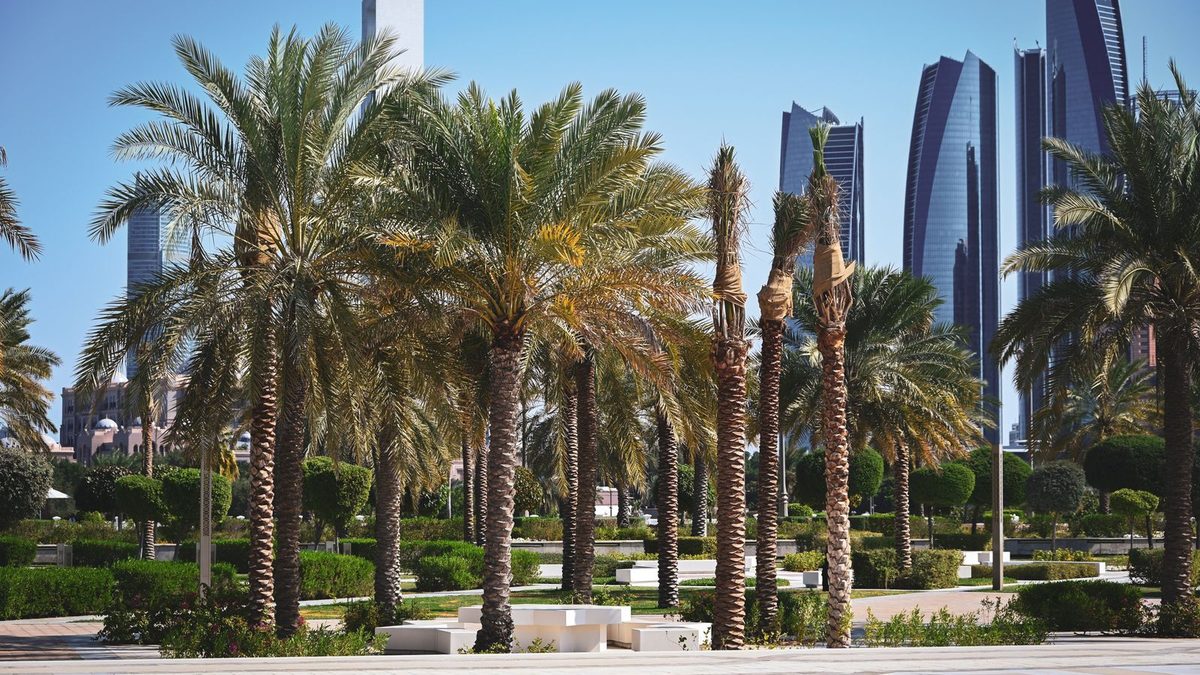
A weekend programme at Umm Al Emarat Park
The eighth edition runs from Friday, 13 November, to Sunday, 15 November 2026. The festival is linked to the International Day for Tolerance and the UAE’s Year of Family. Its website sets out three stage schedules and lists 22 participating countries. The Ministry of Tolerance and Coexistence’s earlier programme announcement, reported by WAM on 5 November, named India as guest of honour and described plans for cultural displays, workshops, creative readings and activities for children and families.
The published programme gives residents a way to choose an evening around a particular interest. Friday includes the opening ceremony, Saturday combines stage performances with a walk, and Sunday offers a participatory activity before a longer sequence of music and dance. A household with young children can select one or two neighbouring time slots. Visitors who want to hear several traditions in one evening can use the running order to see how the performances fit together and decide when to arrive.
Friday places India at the opening
Friday’s first listed slot begins at 5pm with Egyptian tahtib. An Indonesian performance follows at 5.45pm, with Balinese dance, pencak silat and angklung listed together. The opening ceremony is scheduled from 6.30pm to 7.30pm and includes remarks from Sheikh Nahayan Mabarak Al Nahyan, Minister of Tolerance and Coexistence, and Indian Ambassador Deepak Mittal. The same slot features a performance about the Koli fishing community of Mumbai, connecting the guest of honour’s contribution to a specific place and livelihood.
The programme continues with a Filipino song and dance presentation, a Nigerian performance, Palestinian dabke and Zimbabwean music. These are distinct slots with their own titles and participating groups. Visitors who hear an unfamiliar instrument or recognise a dance from their own family celebrations can use those names to ask a more specific question afterward. For a child, remembering one instrument and where it appeared can be a manageable way to make sense of an evening with several different performances.
Saturday includes a collective walk
Saturday’s schedule opens at 4pm with a community awareness quiz from Abu Dhabi Police. It then lists Indonesian gamelan and dance and a Peruvian cultural performance before an official event from 6.30pm to 7.30pm. The programme includes a commemorative planting activity and the Tolerance Unified Walk in that evening block. A visitor interested in joining the walk can check the organiser’s instructions at the park for the assembly point and the order of activities within the listed hour.
The stage programme afterward includes a Kerala cultural showcase presented by the World Malayalee Council Abu Dhabi, as well as contributions from Costa Rica and El Salvador. The Kerala slot is one way to see the guest-of-honour relationship at a more local level. India’s participation includes communities with their own languages and performance traditions, and an Abu Dhabi group brings one of those traditions to the park. The order of events lets a visitor see several such contributions without needing to follow the full programme.
Sunday offers participation alongside performances
On Sunday, the stage schedule begins at 4.30pm with a Lebanese production, followed at 5.15pm by an introductory yogasana session presented by the UAE Sports For All Federation. The festival describes that session as open to all. Later listed performances include Chinese and Serbian contributions, Indian cultural performances, Maldivian boduberu drumming, Palestinian dabke, Kazakh music and performances from Nepal. The timetable runs into the evening, so families can use a specific slot as the starting point for a shorter visit.
For a group arriving with different interests, the mix of activities makes it possible to agree on a shared time and let each person choose something to watch. A participant may want to join the early session, while another is interested in the music later in the evening. Allowing time between chosen events leaves room to move through the park and hear a performance in full. The official running order is useful here because it identifies when the activity begins and which day it belongs to.
A practical way to use the schedule
The event website is the place to check the current stage times. Its country list and day-by-day programme also give families names they can use to read about a tradition before or after visiting. The earlier WAM report describes planned activity beyond the main stage, including workshops and creative displays. For those elements, on-site information can help visitors find the location and see which activities are running during the time they have available.
The festival’s public programme places community groups in a setting where residents can encounter traditions they may know only by name. A performance can introduce the sound of an instrument, the movement of a dance or the story of a particular community. The three-evening format gives those encounters different points of entry, from the opening on Friday to the shared activities over the weekend. For Abu Dhabi families, the published schedule turns that broad programme into a series of visits they can plan around their own time and interests.
Gabriel Nicolaev – CyGuru
Gabriel Nicolaev – CyGuru
Sources & further reading
National Tolerance Festival official programme
WAM report on the approved activities and guest of honour