
UAE / Latest News
UAE Radar Satellite Sirb-1 Clears Critical Design Review and Moves to Manufacturing
The UAE Space Agency and EDGE announced that Sirb-1 can move into manufacturing, assembly, integration and testing. The radar payload will undergo assembly and testing in the UAE ahead of a targeted 2028 launch.
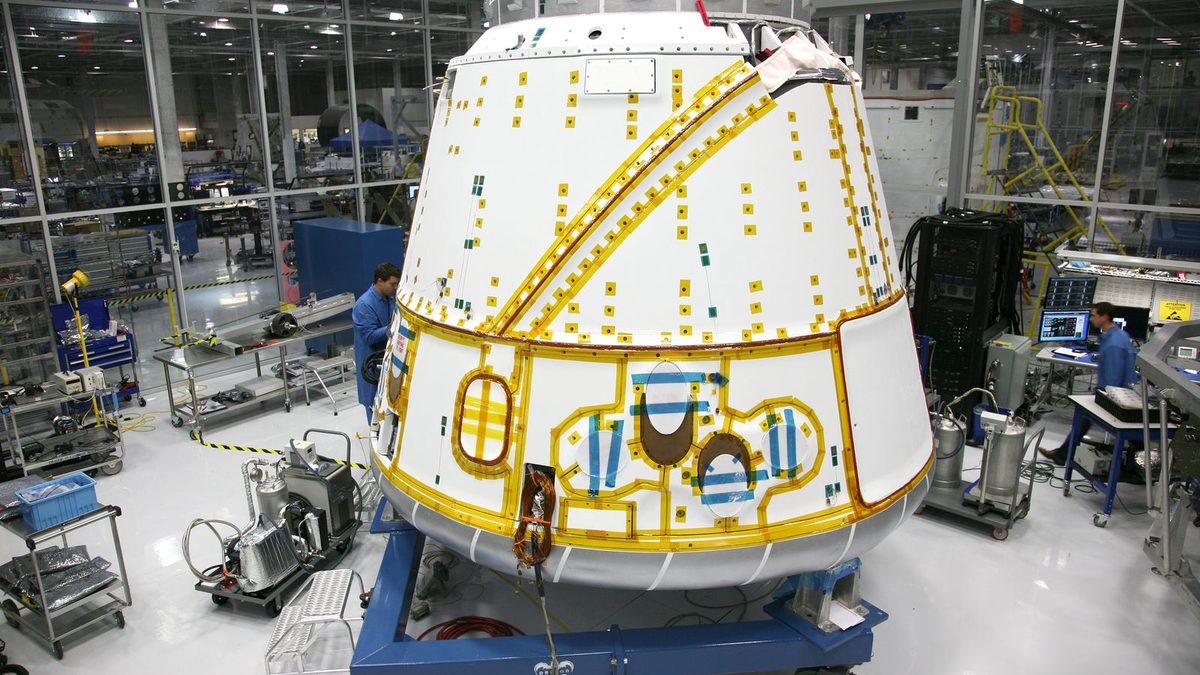
The review clears the design for flight hardware production
The UAE Space Agency and EDGE, through its space company FADA, have completed the Critical Design Review of Sirb-1, the first satellite in the UAE’s national synthetic aperture radar programme. EDGE announced the milestone on 10 November, and WAM reported it early on 11 November. The review clears the satellite to move into manufacturing, assembly, integration and testing. The consortium is targeting a launch in 2028, after the work on the physical spacecraft and the verification needed for flight.
Sirb-1 passed its Preliminary Design Review in April. The latest review takes the project to a later stage, when the team examines the detailed design against what the mission needs and assesses its plans for verification, its interfaces and its risks. This is the last major design review before flight hardware manufacture, according to EDGE. The formal clearance allows engineering teams to proceed with a design whose requirements and integration plans have been examined.
The payload brings specialist work into UAE facilities
The radar payload will undergo assembly, integration and testing at facilities operated by Orbitworks and the Technology Innovation Institute in the UAE. FADA leads the national consortium as prime contractor, and the UAE Space Agency funds and leads the programme. The arrangement puts local teams inside the work of bringing the radar equipment into a tested system. International partners are also involved, and EDGE identifies experience gained on Sirb-1 as something the engineers can apply to later satellites in the constellation.
What the local work comprises matters to the industrial goal. A satellite payload must connect to the spacecraft in ways that allow power, command and data to flow as intended. When teams assemble hardware and verify those interfaces, they gain experience with the tasks that determine whether separate components function together. That capability can be carried into the next build through engineering records, test procedures and people who know what was required to resolve integration problems. The programme’s stated aims include developing UAE expertise and strengthening domestic supply chains.
Radar imagery serves tasks that continue through poor visibility
Synthetic aperture radar transmits its own signals and uses the returned signal to produce images. The programme’s organisers say that gives it the ability to observe the surface by day or night and through clouds, haze and dust. A user monitoring infrastructure or a changing coastline may need observations at times when a visible-light image is difficult to obtain. The radar mission gives the UAE a route towards obtaining this type of imagery for environmental, agricultural, maritime and disaster-response uses.
A usable observation service also requires people on the ground to understand what an image can show. Different imaging systems produce different kinds of information. For a practical task such as assessing change in an area, the comparison depends on the quality, timing and interpretation of the observations. The technology has potential uses across several sectors. The application teams will need to translate the imagery into products that answer questions posed by the organisations managing land, water, infrastructure and emergency response.
Testing moves the project from design evidence to hardware evidence
The completed review considered verification and validation plans, mission assurance, risk and technical readiness. The next stage tests those plans against manufactured equipment. Engineering teams can first check whether individual subsystems behave as required, then examine their behaviour together. A component may meet its own specifications while an interface causes a problem once connected to other equipment. Integration is where engineers can identify and resolve those interactions with physical evidence.
That progression also matters for the people commissioning the spacecraft. Evidence collected in a test can establish whether a requirement has been met and show where a repair, redesign or repeated test is needed. A complete record gives later teams a way to understand decisions made during the build. For a programme intended to deliver a constellation, each satellite can contribute lessons about manufacturing and testing to the next one. The consortium will have to preserve that learning while preparing Sirb-1 for the demands of launch and operation.
The next milestone will come from the build
The current announcement identifies the UAE facilities for radar payload work and retains 2028 as the targeted launch year. As manufacturing advances, later updates can establish which equipment has been built, when the payload has been integrated and how the planned verification is progressing. Each development concerns a particular part of the spacecraft’s readiness, from component performance to the operation of the integrated satellite.
Sirb-1’s immediate significance is the move from a detailed reviewed design into work that engineers can build and test. The Earth-observation goal explains why the UAE is investing in the mission, and the local payload work explains how the project can develop an industrial capability along the way. Both will become more tangible as the consortium completes the hardware and demonstrates its performance. Gabriel Nicolaev – CyGuru
Gabriel Nicolaev – CyGuru
Sources & further reading
EDGE – programme announcement, 10 November
WAM – review scope and 2028 launch target