
Saudi Arabia / Legislation
Saudi Arabia Opens Anti-Dumping Investigation Into Structural Steel From China and Türkiye
Saudi Arabia’s General Authority for Foreign Trade has opened an anti-dumping investigation into specified hot-rolled structural steel products from China and Türkiye. The official register dates initiation to 9 November; an investigation is a procedural opening, not a finding that dumping occurred.
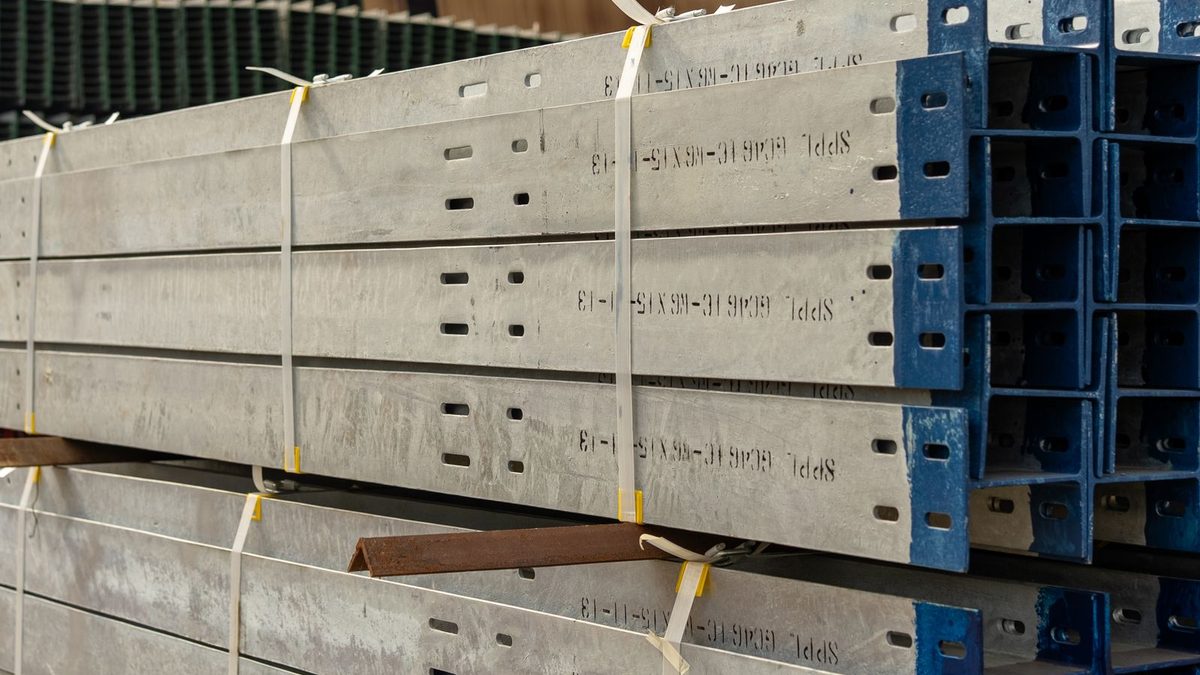
A defined product investigation
The General Authority for Foreign Trade has initiated an anti-dumping investigation into imports of light and medium hot-rolled iron or steel structural sections, angles and shapes originating in or exported from China and Türkiye. GAFT’s official register records the initiation decision on 9 November 2026. Arab News reported the announcement on 10 November, following Saudi coverage the previous evening. The product description is central to the story: this is an investigation into a specified category, rather than a general investigation of all steel products, all construction materials or every import from the two countries.
The authority directs interested parties to its official investigation announcements and ongoing-investigation records. That is where the applicable scope and procedural material should be checked. A business whose product description appears similar still needs to compare its goods with the actual investigation documents. A broad commercial label cannot establish the position of an individual shipment. The news is a new trade-remedy process with defined origins and products; it does not itself establish a duty rate, an import prohibition or a final determination against any producer. Those would require their own published decisions and supporting information.
Initiation and a finding are different stages
The distinction between opening a case and reaching a determination protects the accuracy of the coverage. WTO technical guidance explains that anti-dumping measures depend on investigation of dumping, injury to the relevant domestic industry and a causal connection. Opening a process does not mean those matters have already been finally established. Nor does the existence of lower-priced imported goods, by itself, answer every question in a trade-remedy investigation. The applicable legal tests and the evidence examined are what give the process its substance. This article explains the stage reported, rather than making a judgment about the merits of the case.
That matters for both domestic suppliers and overseas producers. A domestic firm may see the investigation as a response to concerns about competition, while an exporter may need to understand what information is relevant to its position. Neither perspective substitutes for the authority’s assessment. The useful public question is how the process develops through documented steps, rather than which side can present the strongest immediate headline. Any later preliminary or final outcome should be described at its actual stage. A new investigation deserves attention without being relabelled as a completed finding or a remedy already in force.
Why scope matters to the supply chain
Structural sections, angles and shapes can sit inside wider procurement chains where buyers use broad categories to organize purchasing. That creates a practical information problem when a regulatory notice uses a precise product definition. A hypothetical buyer may purchase several types of steel under one supplier relationship, with only some potentially relevant to the published scope. The buyer should not infer that the entire relationship has acquired one new regulatory status. This example illustrates classification discipline; it does not determine whether any real purchase falls within the Saudi investigation or suggest a change to current contractual obligations.
The same discipline applies when information travels through a commercial organization. A short message saying steel from two countries is under investigation can lose the qualifiers that make the announcement useful. Product specifications, the relevant official description and the investigation’s procedural status need to remain connected. Otherwise a procurement team may discuss a different product from the one named by GAFT. Accurate internal information is valuable even before the process reaches an outcome. It allows people to identify what needs checking, preserve uncertainty where necessary and avoid turning a general headline into an unsupported conclusion about every supplier or order.
A trade-remedy framework, not a price forecast
The announcement places the investigation under Saudi Arabia’s Trade Remedies Law in International Trade, issued in November 2022, and identifies GAFT’s responsibility for investigations and measures within the Kingdom’s international commitments. The reported framework covers several types of trade remedies, but this case is identified specifically as anti-dumping. Keeping that category visible avoids confusion with a safeguard action or an anti-subsidy case. The reviewed announcement does not publish a commercial forecast for the Saudi steel market. It provides a procedural development, whose eventual effect depends on evidence, decisions and the conditions applying to any later measure.
For that reason, the opening alone cannot support a confident prediction about construction costs, market share or the price a particular buyer will pay. Those outcomes depend on more than the existence of an investigation. The analytical significance is that a defined set of imports is now being examined through an official process, creating a reason for affected participants to follow the record closely. This is different from an instruction to change suppliers or accelerate purchases. A business decision requires its own information about the product, contract and current official position, rather than an assumed outcome of the investigation.
What readers should watch next
The next substantive updates will be the authority’s published procedural notices and any determinations or measures it announces. These should be read with their dates and scope intact. The official register gives a stable reference for following the case, while the news reports establish when the opening reached the public agenda. Those dates need not be identical: the recorded initiation is 9 November, and the widely accessible English report is dated 10 November. Preserving both makes the chronology clear without describing the same opening as two separate developments or implying a second decision that has not been established.
The broader significance is the use of an institutional process to examine a specific competitive concern in industrial trade. That process can matter to local producers, importers and users of the covered products, while leaving the final result unresolved at initiation. The strongest account therefore retains three anchors: the exact goods, the specified origins and the current procedural stage. Subsequent reporting can add evidence when it appears. Until then, the verified story is that Saudi Arabia has opened a structural-steel anti-dumping investigation, with the work of establishing its outcome still ahead and no final finding implied by the opening itself. Gabriel Nicolaev – CyGuru
Gabriel Nicolaev – CyGuru
Sources & further reading
GAFT: official register of ongoing investigations
Arab News: 10 November investigation report
WTO: anti-dumping technical framework