
Bahrain / Business
Bahrain’s October Port Data Show 705 Vehicles After Six Months of Recorded Zeros
Khalifa Bin Salman Port recorded 705 vehicle units in October after six months of zeros in the reported series, according to 10 November coverage. The return is a port-level development; it does not measure every car entering Bahrain through alternative routes or establish that dealer supply has returned to normal.
A change in the port’s reported series
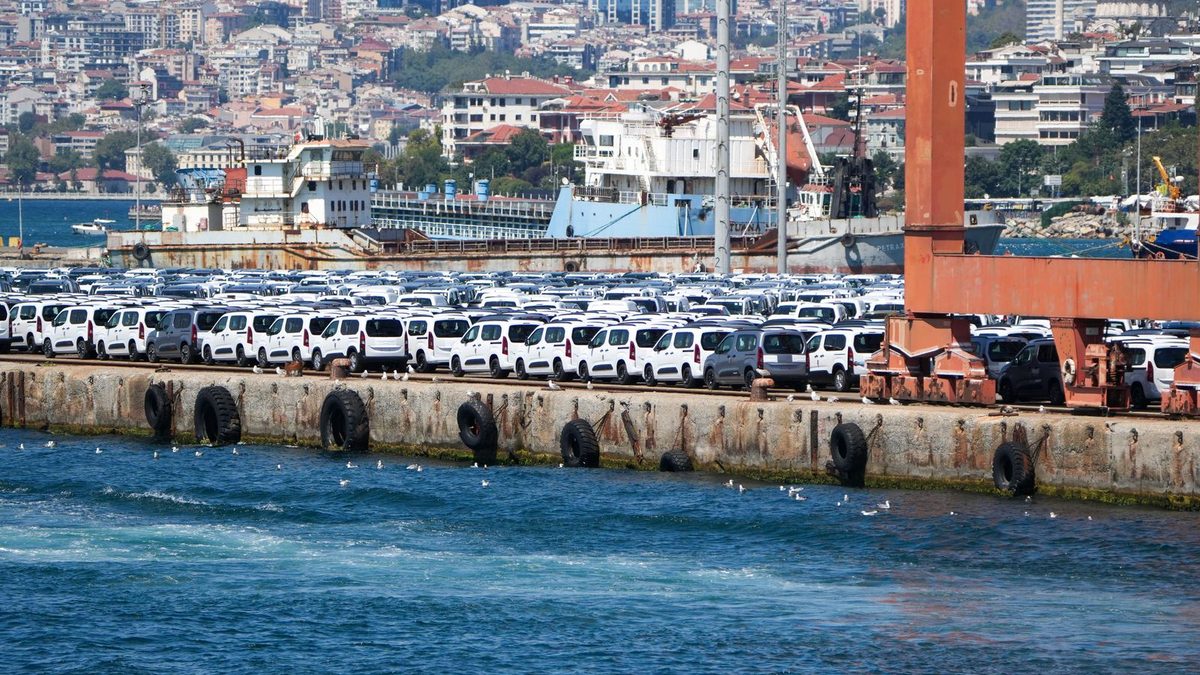
Khalifa Bin Salman Port’s reported vehicle series returned to a positive reading in October, with 705 units after recorded zeros from April through September. News of Bahrain’s 10 November report sets that figure beside 4,641 units in February and 609 in March. It describes a sharp disruption to the direct route and importers’ use of alternatives. Bahrain’s official open-data portal maintains a dataset specifically named RoRo Units Statistics at Khalifa Bin Salman Port. That defined scope matters: the series concerns vehicle units handled at the named port, rather than a comprehensive count of every vehicle reaching the kingdom through all routes.
The reported January–October total is 9,824, of which 8,510 fell in January and February. Those figures describe a heavily concentrated year to date and help explain why a positive October reading is significant without representing a return to the earlier pattern. The zero rows should be described as recorded values in the series, not silently converted into a claim about all national imports. The new observation breaks the sequence within this dataset. A wider judgment about availability, sales or the overall import market needs additional evidence matched to those questions, rather than an enlarged interpretation of one port statistic.
One port is not the whole import market
The local report describes importers redirecting vehicles through Saudi Arabia’s Jeddah port and onward by road. That is a different transport chain from delivery directly to Khalifa Bin Salman Port. If a vehicle enters by an alternative route, a fall in the named port’s activity does not mean the same vehicle never entered Bahrain. This distinction is central to interpreting the data. It separates the performance of a particular gateway from the flow of goods into the country, and prevents a route-level disruption from being mistaken for a complete absence of commercial supply.
The same discipline applies to the opposite conclusion. October’s positive reading does not establish that every importer has returned to the direct route or that all alternative arrangements have ended. Businesses can use more than one route at the same time, and the volume at a port need not move in step with retail demand. The report provides a new port observation and an account of rerouting, not a census of each dealer’s logistics choices. Readers should keep those boundaries visible when comparing a market experience, such as a showroom’s stock, with a transport statistic covering one gateway.
The delivery chain matters to dealers
For a vehicle importer, a route is a sequence of costs and responsibilities rather than just a line on a map. The relevant comparison includes ocean transport, unloading, storage, onward movement and the point at which the vehicle can be handed over to the business. A longer route can still preserve supply when a shorter one is unavailable. Its commercial value depends on the terms and reliability actually offered. This is an operating implication of the alternatives described in the reporting, not a published estimate of the additional cost paid by any named importer or a claim that one route always wins.
Consider a hypothetical dealer awaiting a batch already committed to an alternative gateway. The return of activity at Bahrain’s port would not automatically move that consignment to another vessel or cancel its existing arrangements. The dealer would need to consider the cargo’s actual position, the contracted services and the delivery date promised to customers. A later shipment could be assessed differently if the direct option becomes dependable. This explains why route recovery can enter business decisions gradually. One month’s movement is new information, while changing a working supply chain requires decisions about specific shipments and commitments rather than a response to the headline alone.
What buyers should establish before committing
For an individual buyer, the useful question concerns the actual vehicle and the seller’s commitment. Is it already available, assigned to an identified consignment or still expected under a provisional schedule? A customer should ask what delivery date is being offered and how a change would be handled under the agreement. The port’s October figure cannot answer those questions for a particular order. It does not reveal models, specifications or ownership, and it cannot turn a general statement that shipping has resumed into proof that the chosen car is ready for handover.
A buyer comparing offers can keep availability separate from price. A lower quotation for a future delivery and a higher quotation for a vehicle in stock are different propositions, even if both refer to a similar model. The customer needs to understand the product, timing and terms being compared. This is a bounded consumer example rather than advice about a named dealer. It shows why a port update can be economically relevant while remaining insufficient to settle a purchase decision. The headline is context; the seller’s documented offer and the vehicle’s confirmed position determine the commitment the buyer is considering.
Watch the next observations, not one month alone
The next observations will help distinguish an isolated positive month from a more sustained change in the route. Useful reporting should retain the dataset’s definition, period and revisions alongside each new number. Comparing like with like is essential: monthly port units, national imports and retail transactions answer different questions. A series of positive readings would still require attention to the level and consistency of activity before claiming normalisation. Equally, a fluctuation after October would not by itself show that every supply arrangement had failed. The conclusions need to be proportionate to the particular measure and the number of observations available.
For Bahrain’s vehicle trade, the immediate development is narrower and more concrete than a general recovery claim: the reported port series contains 705 units in October after six recorded zero months. That gives importers another piece of evidence when reviewing routes and gives the public a reason to follow the next release. The wider commercial story will be established through dependable services, stock reaching sellers and orders delivered under clear terms. Keeping port activity, alternative routing and customer fulfilment separate produces a more useful understanding of supply than treating them as a single switch that has simply turned back on.
Gabriel Nicolaev – CyGuru
Gabriel Nicolaev – CyGuru
Sources & further reading
News of Bahrain: October vehicle series
Bahrain Open Data: port RoRo dataset
LocalBH: October arrival reporting