
Bahrain / Sport
Bahrain International Trophy Build-Up Turns to Wednesday’s Draw Ahead of Friday’s Group 1 Race
The Bahrain International Trophy’s 10 November preview brings international and locally trained contenders into focus before the 11 November draw. Friday’s 2,000-metre contest is the race’s first Group 1 edition, with a published $1.5 million prize fund.
The next confirmed milestone
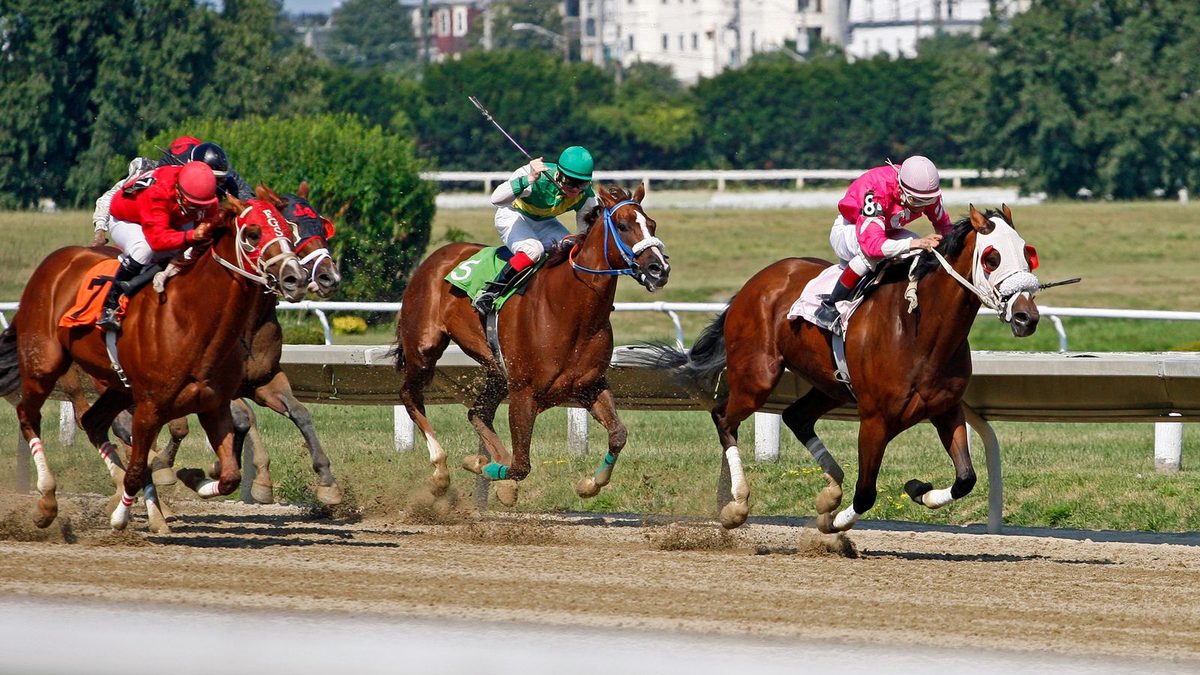
Bahrain’s international racing week moves toward the post-position draw scheduled for Wednesday, 11 November, ahead of the Bahrain International Trophy on Friday, 13 November. A 10 November preview in Al Ayam sets out the international build-up and identifies participants from Bahrain and overseas. The official Bahrain Turf Club page confirms the draw date and describes a 2,000-metre turf race for horses aged three and older. It publishes a maximum field of 14 and a total prize fund of $1.5 million. These conditions provide the framework for understanding the event before attention turns to the details of the starting positions.
The race was first run in 2019 and has gained Group 1 status for 2026, according to the club. That is a development in the race’s standing, rather than a result already earned by any contender on Friday. The week’s stages should remain clear: preview information introduces the likely competition, declarations establish the runners, the draw allocates positions and the race produces the result. A reader following updates should use the latest official racecard for the operative field and any subsequent changes. The build-up is informative without making every early reference an irrevocable commitment to run.
An international field and a local reference point
The local preview describes a meeting of established international connections and Bahraini participation. It names Royal Champion among the overseas horses attracting attention and includes locally represented contenders such as Wimbledon Hawkeye and Calif. The relevance for Bahrain is more than hosting a visiting field. Domestic connections have a direct sporting interest in how their horses measure against international opposition under the same race conditions. The official conditions also reserve two places for domestically trained horses, making the relationship between local competition and international invitation part of the event’s published design rather than an incidental feature of its publicity.
That comparison should be made carefully. A famous stable name can explain why a horse attracts attention, but it does not settle how the individual will perform in this particular race. Equally, a local connection does not imply that a horse lacks international experience. The useful unit of analysis is the runner and the relevant evidence: recent form, distance, conditions and the role it may play in the race. Supporters can enjoy national or stable loyalties while recognising that the contest will be decided by the performance on the day, not by the prominence of a name in a preview.
Read the race conditions before the reputations
Conditions make reputations comparable. The official distance is 2,000 metres on turf, so a reader should ask how a horse’s previous performances relate to that task. Success at another distance is relevant context but not an automatic forecast. The same principle applies to the quality and circumstances of opposition. A result tells more when the reader understands how it was achieved. This is ordinary sporting analysis, not a claim that any particular runner has a hidden weakness or that a simple form comparison can determine the winner before the horses reach the starting gates.
A useful preparation is to read a few recent performances for each runner rather than rely on one headline victory. What distance was involved? Did the horse finish strongly, lead throughout or encounter circumstances that influenced the result? Where reliable information is available, those details can explain why reasonable observers differ. The exercise also keeps uncertainty proportionate. A strong previous performance supports an argument; it does not remove the effect of Friday’s pace, positioning and execution. Readers should resist turning an unfamiliar international race into a story in which the largest reputation must prevail and every other contender merely supplies the background.
The draw changes the tactical conversation
The draw gives the tactical conversation a more specific starting point. A position matters through its interaction with the horse’s style, neighbouring runners and the way the early stages unfold. It is therefore more useful to ask how a position might affect a runner’s options than declare it universally favourable or unfavourable in isolation. Wednesday’s allocation will make that discussion possible for the confirmed field. Before it takes place, any proposed map of the race remains a scenario. The published date is a concrete milestone; an account of positions that have not been drawn would be speculation presented as fact.
For example, an observer may consider how a horse that prefers a settled rhythm could respond if several others seek an early position. Another may ask which runner is likely to benefit from the pace established in front. These are conditional questions that help explain racing, not instructions or predictions about a specific entrant. Once the draw and final information are available, the scenarios can be checked against the actual field. If they do not fit, they should be revised. A good preview makes its assumptions visible enough to change rather than protect an early opinion regardless of later evidence.
A more informed way to follow Friday
For spectators planning to attend, the sporting programme and visitor arrangements are separate pieces of information. Confirm the meeting’s current access and ticket instructions through the club’s official channels, and leave room in the schedule for arrival and movement within the venue. The race’s status does not establish that every visitor area operates under identical conditions or that an event listing supplies the full day’s timings. A family or group can improve the experience by agreeing whether its main interest is the featured race, the wider card or simply seeing an international sporting meeting, then planning around the information actually confirmed.
Friday’s result will offer a new reference point for Bahrain’s racing development, but the immediate story is the transition from an international preview to a defined contest. The 11 November draw, the operative racecard and the published conditions supply the facts that make anticipation meaningful. Following them allows a spectator to understand why the field is interesting without mistaking excitement for certainty. The first Group 1 edition combines an upgraded sporting platform with a familiar competitive truth: every entrant still has to complete the same race, and the argument about status becomes a performance only when the contest is run.
Gabriel Nicolaev – CyGuru
Gabriel Nicolaev – CyGuru
Sources & further reading
Bahrain Turf Club: official race conditions
Al Ayam: 10 November international field preview