
UAE / Travel
Dubai Opens Al Khaleej Street Tunnel, Changing the Route Between Infinity Bridge and Al Mamzar
The 1,650-metre tunnel opened on 8 November with three lanes in each direction. Its immediate significance is a new route through Deira; the larger corridor’s projected journey-time reduction remains a separate, future outcome.
A new connection is now open
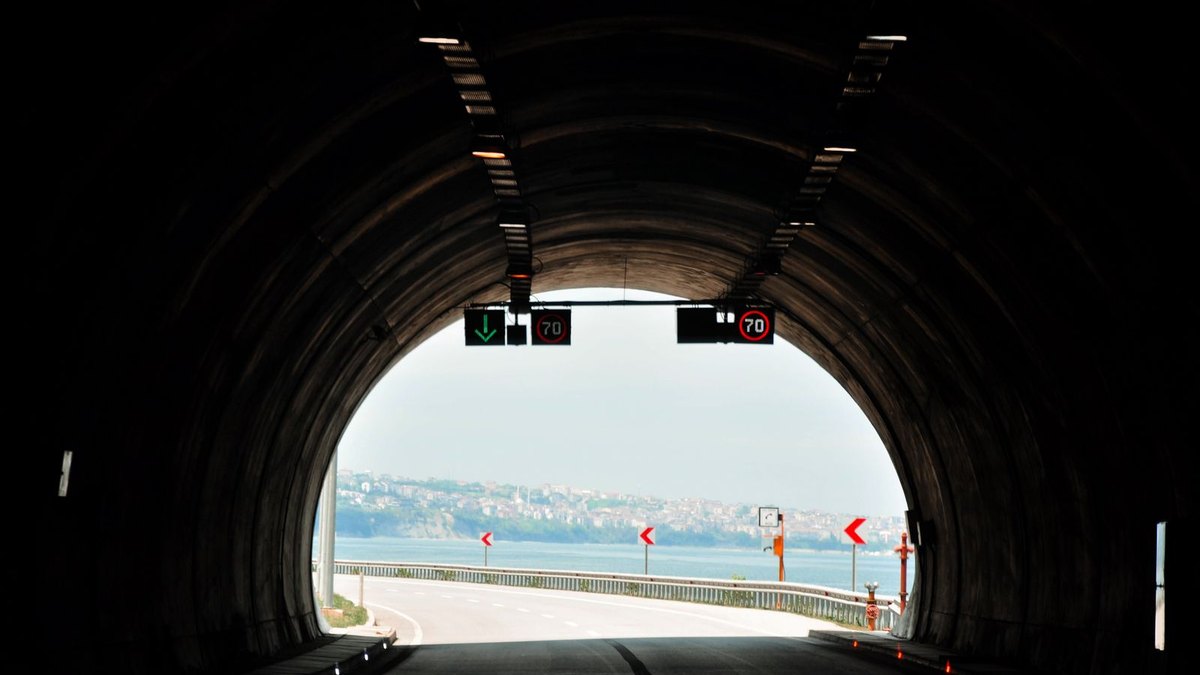
Dubai’s Roads and Transport Authority opened the Al Khaleej Street Tunnel on Sunday, 8 November, creating a new connection between the Infinity Bridge ramp in Deira and the Al Khaleej Street–Al Wuheida Street junction. The tunnel is 1,650 metres long, with three lanes in each direction. The announced capacity of 12,000 vehicles an hour is a combined figure for both directions. It describes infrastructure capacity, rather than a count of vehicles already observed using the route during its first day.
For residents and businesses entering the working week, the opening is a practical change to route choice around Deira and Al Mamzar. It also needs to be read at the correct scale. A tunnel can remove a specific interruption along a journey while the rest of the trip remains affected by approaches, local junctions and the final destination. MyGCCNews’s analysis therefore separates the connection now available from travel-time projections associated with completing the entire Al Shindagha corridor.
Read the route around your actual destination
The useful question for a commuter is where to enter and leave the network, rather than whether the new structure appears near a familiar landmark. A journey ending on a neighbourhood street may benefit differently from a journey continuing through the corridor. Drivers should follow the current signs and updated route guidance, allowing time to learn the approaches before depending on a new personal best. An opening announcement cannot account for every origin, destination, departure time or parking arrangement across the surrounding districts.
Businesses making deliveries face the same distinction. A shorter stretch between major roads does not remove the time spent locating a building, waiting for access or unloading. A dispatcher can compare complete delivery runs before changing promised arrival windows. Keeping a record of departure, arrival and stop time will show where any saving actually occurs. This is a suggested operating method, not a new RTA requirement, and it avoids converting an infrastructure announcement into a guarantee that a customer’s next delivery will arrive earlier.
A tunnel within a larger corridor
The opening forms part of the Al Shindagha Corridor Improvement Project, which extends 13 kilometres across Sheikh Rashid Road, Al Mina Street, Al Khaleej Street and Cairo Street. The wider programme includes improvements to 15 intersections. Reported associated works include converting roundabouts on Cairo and Al Wuheida streets into signal-controlled intersections and linking the Dubai Islands bridge ramp to the tunnel towards Al Mamzar. These connections matter because the value of a major structure depends on how traffic reaches and leaves it.
The broader corridor is expected to serve about one million people. That is a planning-scale description of the population benefiting from the network, not the number of people who will use the tunnel daily. Similarly, the publicised reduction from one hour and 44 minutes to 16 minutes is tied to completion of the corridor improvements by 2030. It should not be presented as the time saving delivered for every individual trip by the Sunday opening alone, or as an observed result from its first morning.
What a neighbourhood connection can change
Improved movement between established districts and growing destinations can alter how businesses organise staff travel and distribution. A shop may find a supplier easier to reach; a service company may revise the order of visits; a resident may reconsider which route is less variable. Those are plausible responses, rather than outcomes already measured in the announcement. The most important commercial effect may be more predictable access rather than the largest possible saving on a particularly clear stretch of road at one moment.
Predictability has value because people build appointments around the time they expect to arrive. A reliable journey can reduce the buffer that otherwise separates two bookings, although road users should verify that reliability through experience before narrowing it. The same logic applies to families combining school, work and errands. The opening provides another option in the network, but a sound weekly routine still includes the parts beyond the tunnel: safe drop-off points, the last turn into the neighbourhood and time spent finding a space.
Capacity is one measure, experience is another
A capacity figure is useful for describing the engineering scale of a road. It does not establish the speed at which every vehicle will move, the queue on a feeder street or the ease of changing lanes near an exit. Actual experience depends on how demand is distributed through the day and how multiple junctions interact. Readers should be cautious with headlines that turn the combined hourly capacity into a promise of free-flowing traffic everywhere around Deira, or mistakenly assign the whole figure to one direction.
For fleet operators, the stronger evaluation is a like-for-like comparison: similar departure times, comparable routes and the same type of job. A single unusually fast run is weak evidence for changing a contract. Several ordinary days provide a more useful view of whether average duration and variability have improved. A company can also ask drivers which approaches are easiest to understand. These are practical ways to judge an operational change without pretending that a new public road has eliminated every constraint in the surrounding network.
What road users should take into the week
The verified immediate development is the opening on 8 November of a six-lane tunnel linking the Infinity Bridge approach with the Al Wuheida junction. Road users can evaluate that connection against their own journeys while continuing to follow official guidance about the surrounding works. Future bridges and remaining corridor upgrades should be treated as additional stages until they are separately confirmed as open. Keeping those stages distinct makes the reporting more useful for people who need a route today rather than a picture of the network several years ahead.
The practical benefit of the opening will be established through repeated journeys across ordinary conditions. For commuters, that means checking the full door-to-door trip. For businesses, it means testing complete service or delivery cycles before revising customer promises. Dubai has added an important piece to Deira’s road system; the responsible next step is to learn what that piece changes at the places where people actually begin and end their day. Gabriel Nicolaev – CyGuru
Gabriel Nicolaev – CyGuru
Sources & further reading
ARN News: RTA tunnel opening and corridor specifications, 8 November
The National: tunnel opening and wider corridor timetable
Gulf Today: RTA opening announcement