
Kuwait / Living
Kuwait Emergency Police Outline Body-Camera Plan Alongside a Wider Digital Operations Shift
Kuwait’s emergency police chief has described plans for chest-mounted audio-video cameras, alongside digital links between patrols, operations and incoming reports. The interview establishes a planned capability; it does not provide a verified deployment date or full recording policy.
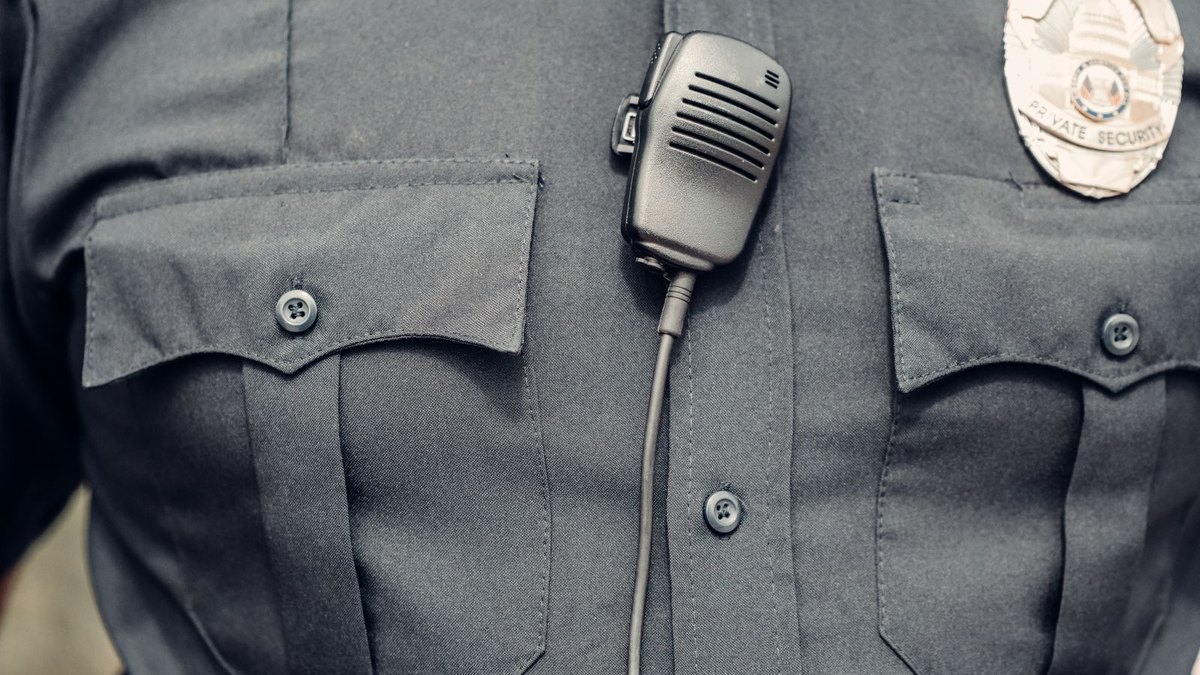
A planned addition to field equipment
In an interview carried by Al-Anba’s app edition dated 8 November, the director-general of emergency police described plans to provide officers with personal cameras attached to the chest. Times Kuwait reported the initiative the same day. The cameras are intended to record field incidents and interactions using sound and video. The important status word is planned: the coverage reviewed does not establish that every officer is already wearing a camera or that a nationwide deployment has been completed.
That distinction protects the usefulness of the news for residents. A person cannot infer the existence of a recording from a general announcement about future equipment. Nor does the announcement establish a date by which a particular patrol will have the device. The interview explains an operational direction and its stated aims of transparency, protection of rights and improved performance. The practical next questions concern implementation and recording procedures, rather than assumptions about a capability that has not been verified as universally available.
Body cameras and vehicle cameras are different
The chief also described cameras already installed inside and outside patrol vehicles, alongside the Rased system for security inquiries and identifying wanted individuals or violations. These existing systems should not be collapsed into the new body-camera proposal. A vehicle camera records from a vehicle-based position; a chest-mounted device follows an officer. The coverage presents personal cameras as an additional way to document field activity, not evidence that the existing vehicle equipment is being introduced for the first time.
For public understanding, the distinction is more consequential than the device’s name. Different recording positions may capture different parts of an incident. Neither the presence of a camera nor the existence of an information system establishes that a particular event was recorded completely. This is an analytical point about interpreting the announcement, not a technical specification for Kuwait’s planned devices. The reports do not supply the detailed activation, coverage or access rules that would be needed to assess an individual recording scenario.
The digital link matters beyond the camera
The interview places the equipment proposal inside a wider programme to replace paper-based work with digital connections between the operations room, patrols and the receipt of reports. The stated purpose is faster information exchange and more efficient responses. This gives the story an operational dimension beyond recording encounters: how information reaches a patrol can influence the way a report is understood and handled. It remains important to distinguish that stated intention from independently measured improvements in response times.
An integrated information flow can be useful only when the underlying information is accurate and staff can act on it appropriately. That is a general assessment of digital operations, not a criticism or a claim about a specific Kuwaiti system. The interview does not publish comparative response-time data, a full technical architecture or a completed implementation audit. Readers should therefore describe the modernisation programme accurately while leaving performance claims open until a suitable official measurement or other reliable evidence supports them.
Deployment is described as a resource decision
The chief said governorates are divided into sectors, with patrol distribution informed by traffic density and the nature of incoming reports. Data analysis is also used to identify places and periods with higher incident reporting. The relevance for residents is that deployment is described as an allocation process responsive to conditions. It is not a promise that every street will have a patrol at a fixed interval or that every report will produce an identical response time regardless of circumstances.
For a city user, this reinforces the importance of communicating the location and nature of an incident clearly through the appropriate official channel. The article does not introduce a new reporting service or a new number, and readers should not interpret a technology story as a change to established emergency procedures. What the announcement offers is a view of how the authority says it organises resources. The quality of any future service assessment will depend on evidence about actual coverage, response and outcomes.
Professional practice remains part of the programme
The interview also highlights continuing training in crisis management, firearms, dealing with the public and first aid. This matters because a recording device documents conduct while professional skills shape the conduct itself. The two can support each other, but they are not interchangeable. A useful reading of the programme therefore keeps equipment, information exchange, deployment and training in the same frame, instead of treating the purchase or distribution of cameras as the entire modernisation story.
The stated transparency objective will also depend on procedures surrounding recorded material. The coverage reviewed does not establish detailed retention periods, who may access footage, how requests would be handled or when recording would be activated. It would be misleading to supply those details from unrelated camera legislation or practices in another country. The responsible position is to identify them as questions for future official explanation, without implying that the absence of detail in a newspaper interview proves the absence of internal rules.
What residents should watch next
A concrete next update would confirm deployment progress or explain the policies governing the new devices. Information about which units are equipped, how the system is introduced and how recorded material is managed would let the public assess the announcement more precisely. Until then, the evidence supports a plan and a description of wider digital work. It does not support a claim that all police encounters are now recorded, that footage is automatically available or that a particular incident must have a retrievable video.
The significance for Kuwait is the movement towards more documented and connected field operations, as described by the emergency police leadership. The public value will depend on implementation, staff practice and clear management of information, as well as the hardware itself. Residents can follow the development without overreading it: distinguish planned personal cameras from existing vehicle cameras, separate stated objectives from measured results and look for subsequent official details before drawing conclusions about recording coverage or access in an individual case. Gabriel Nicolaev – CyGuru
Gabriel Nicolaev – CyGuru
Sources & further reading
Al-Anba: emergency police chief interview
Times Kuwait: body-camera plan