
UAE / Sport
Abu Dhabi World Jiu-Jitsu Championship Opens With Amateur Action Before a Staged November Programme
The 18th edition began at Mubadala Arena on 9 November. The opening day featured amateur blue-belt competition, while youth, festival, masters and professional divisions occupy distinct dates across the wider event.
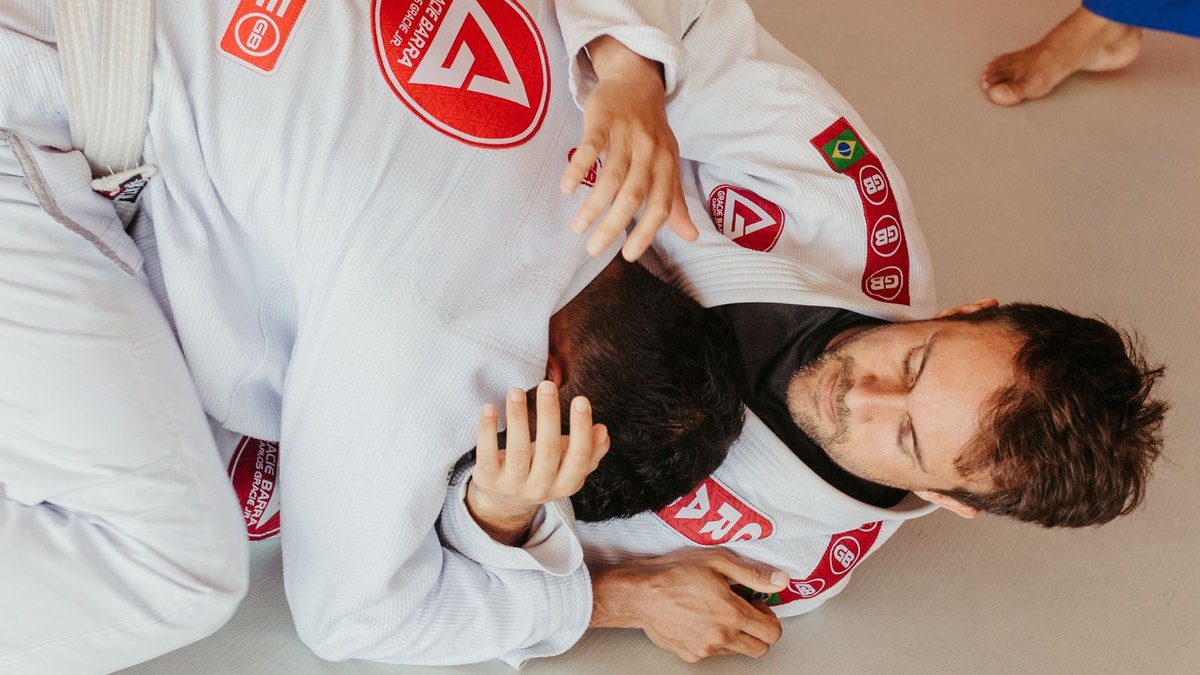
The first day belongs to the amateur divisions
The 18th Abu Dhabi World Professional Jiu-Jitsu Championship began at Mubadala Arena on Monday, 9 November, with amateur competition across adult and masters blue-belt divisions. The opening was reported by Emirates News Agency and Abu Dhabi Media Office. Sheikh Khalifa bin Tahnoon bin Mohammed attended, observed amateur contests and presented awards. The opening confirms the event is underway; it should not be described as the start of the professional division’s matches, which occupy a later stage of the published programme.
The distinction is useful for anyone choosing a day to attend or follow. The championship’s overall name covers a sequence of competitions rather than one identical programme repeated over 13 days. An amateur athlete, a young competitor and a professional contender face different categories and schedules. MyGCCNews’s analysis focuses on how to read that staged structure and the meaning of the opening. It does not supply an independently verified medal table or name winners where the official sources reviewed do not provide a complete, attributable result.
A calendar organised around different participants
The official opening account says 10 November continues with amateur and para jiu-jitsu competitions. Youth divisions are scheduled for 11–13 November, followed by the Abu Dhabi World Jiu-Jitsu Festival on 14–16 November and masters competitions on 17–18 November. Professional competition is scheduled for 19–21 November, with an awards ceremony on 22 November. These dates are the published programme as of the opening day. Anyone making a particular attendance or travel decision should confirm the current detailed schedule rather than treating this summary as a bout-by-bout timetable.
The presence of different divisions also makes a single headline attendance figure less informative than it first appears. Athletes participate in different stages, and the competitive meaning of a result depends on its category. A medal in an amateur division should be reported accurately within that division, rather than presented as the overall professional title. This does not diminish the achievement. It recognises the actual contest entered and makes the result useful to coaches, fellow athletes and readers who want to understand how a competitor is progressing through the sport.
What a newcomer can learn by watching carefully
Jiu-jitsu can be difficult to follow when a spectator watches only the movement nearest the camera. A more useful first question is which athlete is controlling the position and what each is trying to change. A stable-looking moment may contain an important struggle for grip, balance or space. This is general observation guidance rather than a technical account of any match on the opening day. The rules and scoring for a particular contest should be checked against the event’s applicable competition materials before assigning a point or explaining a referee’s decision.
For a family following a younger athlete later in the programme, the same patience can help. A match result shows one competitive outcome, while the athlete’s development also includes preparation, composure and the ability to apply learning against resistance. Those qualities should not be claimed from a result alone; they are things a coach can examine with the participant afterwards. Watching becomes more informative when adults ask what happened and what can be learned, rather than treating every match as a referendum on the athlete’s future or on the value of their training.
The amateur opening is a substantive part of the event
A championship that includes amateurs gives competitors a stage distinct from the professional field while connecting them to the wider sporting environment. The value is not merely proximity to well-known athletes. Organised competition asks participants to meet a schedule, prepare for a defined category and perform under the conditions of an event. That interpretation explains why the opening day deserves coverage in its own right. It should not be reduced to a waiting period before the later professional sessions or described as a professional result because the overall championship carries that name.
For clubs, a major event also creates an opportunity to review how support is organised. Transport, registration information, the athlete’s own preparation and communication with family need coordination. This report does not publish entry instructions or imply registration remains available. The practical point is that competitive development has an organisational side. Clear responsibilities can reduce unnecessary confusion around a participant’s day, allowing coaches and athletes to focus on what they have prepared to do rather than resolving avoidable uncertainty at the last moment near the competition area.
Recognition and participation belong in the same story
The opening account also records recognition of UAE athletes Asma Al Hosani and Hind Alhashmi, winners of the Fatima Bint Mubarak Women Sports Awards. That recognition is separate from assigning them an opening-day championship result. Keeping the two distinctions clear lets readers see both an institutional acknowledgement and the live event without merging them into an invented medal narrative. It also shows the range of activity surrounding a major sporting gathering: competition, recognition and the presence of officials may happen together while remaining different kinds of news.
The broader sporting question is how a large event relates to ordinary participation after it ends. A spectator inspired to try jiu-jitsu still needs a suitable club, an appropriate introduction and realistic expectations about learning. The championship is a point of exposure rather than a substitute for instruction. This is an analytical implication, not a newly announced federation programme. The most durable local effect may come when an existing participant returns to training with a clearer question or a newcomer seeks a structured way to begin, rather than from the event’s visibility alone.
Follow the right division and the verified result
Over the coming days, useful reporting will identify the date, division and category attached to each result. Readers should distinguish a confirmed outcome from a preview, and a full classification from a few highlighted performances. An opening ceremony photograph is evidence of the ceremony, not a complete record of every contest. The official event channels remain the appropriate place to check a particular schedule or result. The 9 November reports establish that competition has begun and set out the subsequent stages; they do not replace that detailed competition record.
For Abu Dhabi residents and visiting fans, the staged programme offers several different ways to encounter the sport. Choosing a division deliberately will produce a more meaningful visit than assuming every day contains the same athletes. For participants, the event creates a defined test within a larger learning journey. The opening day’s amateur action is the first chapter of that sequence, with later divisions still ahead on their published dates. Following the championship well means giving each stage its own name, its own context and its own verified outcome. Gabriel Nicolaev – CyGuru
Gabriel Nicolaev – CyGuru