
Qatar / Explore
Why a Museum Object Does Not Have to Look New to Be Well Cared For
A worn surface, dim gallery or visible repair can prompt a visitor to ask whether an object has been neglected. Conservation asks a different question: which action best preserves the object’s material and meaning for future use? Qatar’s museums describe a practice involving examination, documentation, environmental care and selective treatment. Understanding those choices changes how a visitor looks at what survives.
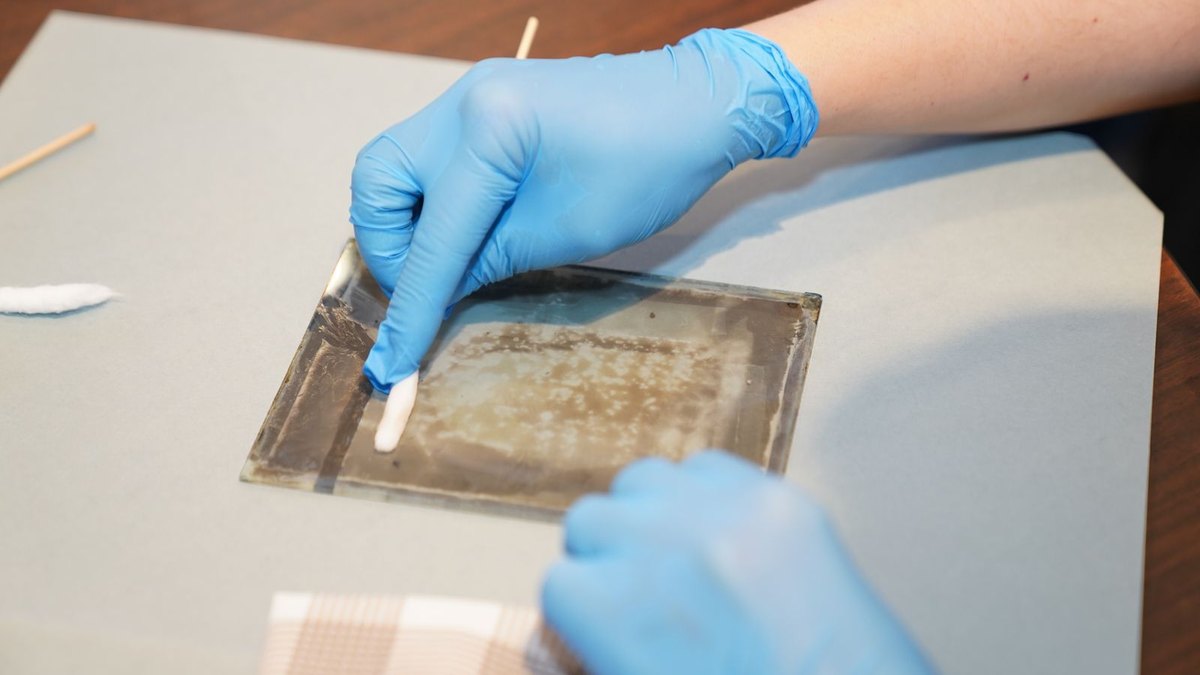
A surface can carry evidence
The instinct to clean an old object until it shines is understandable in everyday life. In a museum, however, a surface may contain evidence of manufacture, use, repair or age. Removing something can also remove information. A Qatar Museums account by Mathaf’s head of conservation directly challenges the idea that conservators simply make things look new. That does not mean every mark must remain untouched. It means the decision begins with understanding what the object is and why a particular change would help or harm its preservation.
For a visitor, the useful shift is from asking whether the object looks perfect to asking what can be learned from its present condition. A worn area may invite a question about handling; a repair may invite a question about continued use. Those are possibilities for interpretation, not permission to invent the history of a specific artefact. Look for the museum’s explanation and distinguish what is documented from what you merely suspect. Close observation becomes more rewarding when curiosity is paired with restraint about unsupported conclusions.
Conservation includes decisions not to intervene
The Museum of Islamic Art describes examining an object’s materials, the technology that created it and the causes of deterioration before deciding whether remedial treatment is appropriate. This makes treatment a decision rather than an automatic response to age. Sometimes care may centre on stable conditions, support or monitoring. A dramatic transformation is easier to photograph than preventive work, but visibility is not the measure of professional value. An object that avoids damage may be a better outcome than one repeatedly subjected to visually impressive repairs.
Consider a clearly hypothetical textile whose fibres are vulnerable. The visitor might prefer brighter lighting to see every detail, while the institution has to weigh viewing against exposure and long-term care. The correct decision depends on the actual material and condition; this example supplies no technical threshold or treatment prescription. It simply shows why conservation involves competing needs. The public gains access now, while the museum also holds responsibility for the people who will want to study or experience the object after today’s audience has left.
The label is only the visible part of documentation
A display label may summarise an object in a few lines, but collections care requires a much richer record. MIA describes unique accession numbers, location tracking and documentation of research, conservation and photography. Those systems connect an object to its history inside the institution. If something moves, is examined or receives treatment, the record helps future staff understand what happened. Documentation is therefore not bureaucracy added around a collection. It is part of the knowledge that prevents a physical object from becoming detached from its identity and past decisions.
This changes how a visitor can read a repair. The important question is not only whether the repair is visible, but whether the institution understands when and why it was made. A later conservator may need to distinguish original material from an earlier addition. Without a record, a well-intentioned intervention can leave future specialists guessing. The museum’s documentation makes its own choices reviewable. That is a form of accountability across generations of staff, researchers and visitors, even when most of the record is not displayed beside the object.
Materials do not all ask for the same care
Qatar’s collections include manuscripts, textiles, ceramics, metals, photographs and other materials. Treating all of them as generic old objects misses the point of specialist examination. A method suitable for one material can be inappropriate for another, and one object may combine several materials with different needs. The National Museum of Qatar describes collaboration between local and international specialists, including knowledge of Qatari traditions. That combination matters because material analysis and cultural understanding answer related but different questions about what should be preserved and how.
An object can also have significance beyond its appearance. A household item may connect to a practice, a person or a way of making that a visually similar replacement would not preserve. That is why the idea of simply replacing damaged material can be inadequate. The visitor can ask what gives this object its value: rarity, craftsmanship, documented use, association or the relationship between several elements. There is no universal answer for every display. The exercise is to recognise that a museum preserves evidence and relationships as well as attractive forms.
Display is a negotiated environment
A gallery has to serve both objects and people. Qatar Museums’ conservation account describes compromises involving light levels, environmental conditions and visitor comfort. These choices can be experienced as part of the visit even when the work behind them is invisible. A case, support or viewing distance may have a protective purpose rather than being an arbitrary barrier. That does not mean every visitor should infer the precise reason from appearance alone. Ask staff or consult the museum’s guidance when you want to understand a particular arrangement.
For families, this creates a useful conversation with children: why might a museum make looking slightly less convenient in order to keep something available for longer? The question turns a restriction into a problem of shared stewardship without requiring a technical lecture. Follow the venue’s actual rules on touching, photography and movement, rather than assuming that a practice permitted in one gallery applies everywhere. This article does not establish the current permissions of each museum. Those should be checked for the specific location and exhibition being visited.
Moving an object is part of its care
An exhibition does not begin when the public enters. Objects may need condition checks, handling plans, packing, transport and installation before they can be seen. MIA and Mathaf both describe care beyond the display moment, including storage and loans. For a visitor, this explains why a collection is not simply a set of objects waiting on shelves to be moved at will. Availability depends partly on the condition and requirements of the material, as well as curatorial decisions and the practical work needed to present it responsibly.
The analytical lesson is that absence from a gallery is not, by itself, proof of neglect or secrecy. There can be many reasons an object is not currently displayed, and the reason must be established from the institution rather than invented. A responsible cultural report distinguishes a confirmed conservation project from a visitor’s speculation about an empty case. The same care applies to claims that an object has been restored, repaired or replaced. Those words describe different actions and should be supported by the actual treatment history.
Look for the decision behind what survives
On a future museum visit, choose one object and examine what you can actually observe before reading an elaborate story into it. Then use the label and available interpretation to connect observation with evidence. Ask which aspects seem original, which are explained as later work and what remains unknown. You may not receive a complete treatment report during a public visit, but the questions improve the quality of attention. They move the experience beyond admiration of age or beauty toward understanding the choices that allow material evidence to remain accessible.
Well-cared-for heritage does not always look new, and conservation is not measured only by a dramatic before-and-after photograph. Its value may lie in restraint, a stable environment, a well-kept record or a treatment that future specialists can understand and reconsider. Qatar’s museums offer public explanations of that work, making it possible to read the gallery as the visible result of many decisions. The object survives not because time has stopped, but because people continue to make informed choices about what to protect and what to change.
Gabriel Nicolaev – CyGuru
Gabriel Nicolaev – CyGuru
Sources & further reading
National Museum of Qatar: heritage and conservation
Museum of Islamic Art: caring for the collection
Qatar Museums: a conservator’s work at Mathaf