
Bahrain / Explore
Bahrain National Museum: Follow the Objects into the Lives Behind Them
Bahrain National Museum works best as a place to connect objects, skills and everyday life. A visit built around a few careful comparisons can make its archaeology, crafts and manuscripts more memorable than an attempt to absorb six millennia as a continuous stream of dates.
Choose a question before a route
The museum opened in 1988 and brings together archaeological material, customs, traditional trades and manuscripts. Bahrain’s culture authority describes a collection spanning 6,000 years, with galleries distributed across the main building. That range is an advantage, but it can overwhelm a visitor who treats every case as an equal obligation. A more rewarding starting point is a question: how did people work, how did knowledge circulate, or how did daily practices change? The question creates a thread through different halls without requiring a person to master the whole chronology before noticing something interesting. It also gives companions a reason to compare observations rather than simply move together.
Choose a main interest and one contrasting area. Someone drawn to material skills might begin with traditional crafts and then compare the care required to produce a manuscript. A visitor interested in social life can connect customs displays with the objects used to support those practices. These are proposed ways of looking, rather than an official prescribed route. The museum’s actual layout and any temporary arrangements should guide movement on the day. The aim is to create a manageable intellectual journey in which a small number of objects receive attention, while the wider collection supplies context instead of becoming a test of endurance.
Read an object at three levels
At the first level, describe what is visible before deciding what it means. Note material, shape, scale and any traces of manufacture or use identified by the display. At the second level, read the label for the date, place and function the curators attribute to it. At the third, ask what the object suggests about the people and relationships that made it useful. A tool, for example, can prompt questions about skill, labour and the person receiving the finished product. The method keeps observation and interpretation connected, while making clear where the visitor’s own inference begins.
Comparison makes this method easier. Two objects that look similar may belong to different periods or contexts; two that look different may answer the same human need. The museum does not have to provide a dramatic masterpiece at every stop for the comparison to be worthwhile. An ordinary object can carry evidence about repetitive work, exchange or domestic organisation. The important discipline is to let the label constrain the story rather than invent a biography for an unknown owner. A question left open can be more valuable than a confident anecdote, because it identifies what the evidence does and does not allow the visitor to understand.
Craft displays reveal organised work
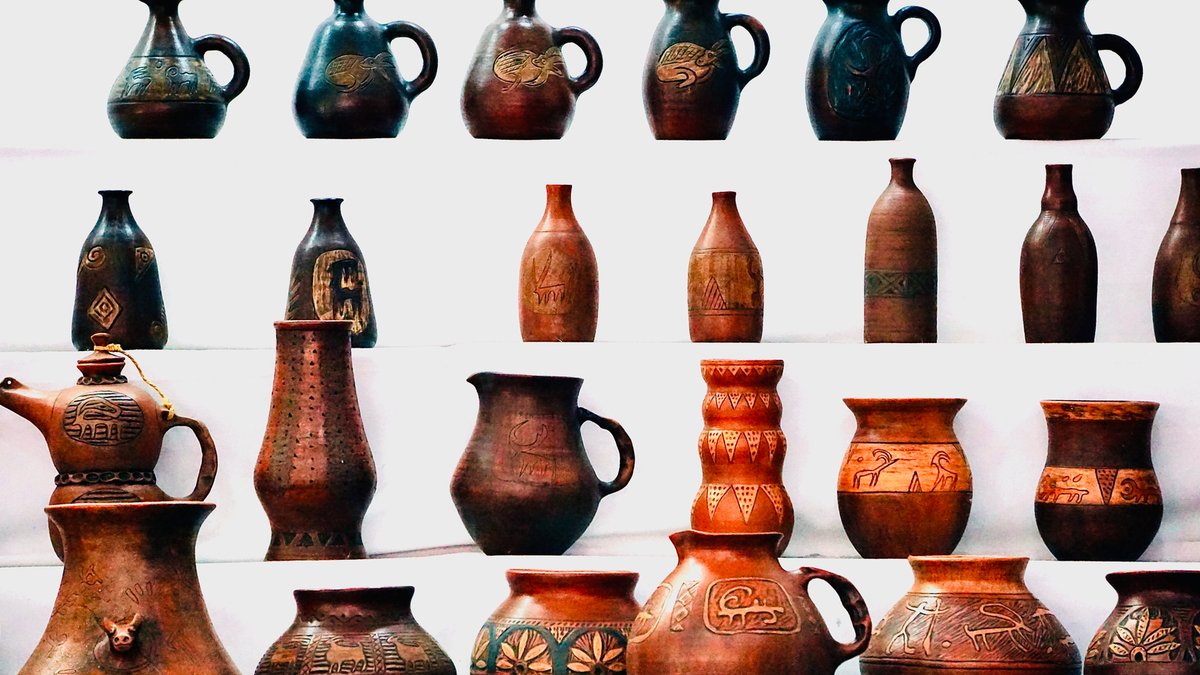
The culture authority identifies traditional trades and crafts as a dedicated part of the museum’s account of Bahrain. A productive visit treats these displays as an entry into organised work rather than a nostalgic catalogue of things people once made. Ask what the worker had to know, which material was needed and who depended on the result. A finished object can make a complicated sequence look effortless. Looking for the stages behind it restores the learning, judgment and coordination that the display’s stillness can conceal. This is an interpretive approach to the collection, not a claim about the current practice of a named craftsperson.
A family can turn that approach into a short discussion. Each person selects one object and names a step that would be difficult for a beginner. Then compare the object’s role with a modern equivalent, being careful not to assume that a change of technology removed every skill. The point is to understand a transformation in work, not to decide that one period was universally better. Children can participate through visible details while adults add questions about exchange, training or the household. Keeping the conversation anchored to a few exhibits prevents the visit from becoming an explanation delivered entirely by the most knowledgeable person in the group.
Manuscripts reward a different pace
The Hall of Documents and Manuscripts offers a different kind of encounter. The culture authority describes Quranic manuscripts from different parts of the Islamic world and documents related to Bahrain’s nineteenth- and twentieth-century development. The display therefore invites attention both to the form of writing and to the information a document carries. A visitor need not be able to read every line to notice layout, rhythm, scale and the relationship between text and page. Those observations can lead back to the curator’s explanation of origin and period, rather than leaving the manuscript as a decorative surface viewed at speed.
Here the pace should slow. Choose a single page or document and look first, then read the interpretation. Ask who needed the text, how it would have been used and what care its production required. Respect the rules for photography and display conditions; an image is useful only when it is permitted and helps retain the detail that mattered. A note of the object’s title or period may be more helpful than many photographs without context. Comparing the manuscript with a craft object can reveal a shared theme: expertise made material, whether through written form, preparation of a surface or the arrangement of information for another person.
Make the visit work for a mixed group
A mixed group rarely has identical interests or energy. Before entering, agree on one shared focus and allow room for different choices. One person may be drawn to archaeology, another to textiles or writing, and a child may respond to a scene rather than a chronology. A successful visit does not require identical reactions. It needs enough structure for the group to find one another and enough freedom for individual attention. This is especially useful when people speak different first languages or have different familiarity with the island’s history. A visible object gives them a common starting point for conversation.
For practical planning, confirm the museum’s current opening arrangements and any access requirements through the official visitor information before travelling. The main building includes permanent and temporary exhibition areas, an art gallery and visitor facilities, according to the authority. The presence of a facility does not establish a particular service’s operating hours on a chosen date, so build the visit around confirmed information. Avoid committing every remaining hour of the day to another attraction. A pause gives people time to process what they have seen and to decide whether another hall would deepen the visit or simply add more material after attention has faded.
Leave with a connection, not a checklist
The waterfront building is itself part of the experience. The authority describes its white travertine exterior and position overlooking Muharraq, alongside the exhibition and research functions within the complex. Looking at the building can prompt a final question about how a national museum presents a long history in a modern institution. Its public galleries are the visible part of work that also involves collections, conservation and research. Recognising that distinction helps visitors understand that the objects are not simply gathered decorations. They form a selected, interpreted collection whose arrangement shapes what a public audience can see and ask.
Before leaving, each person can name one connection they did not have on arrival: between an object and a skill, a manuscript and its reader, or a familiar custom and its material setting. That small exercise is more revealing than counting rooms completed. It can also guide a later return, because a broad museum rarely exhausts its value in one visit. Bahrain National Museum’s strength lies in bringing different forms of evidence into reach of one another. The visitor’s task is to give some of that evidence enough attention to turn a display into an understanding of people, practices and change.
Gabriel Nicolaev – CyGuru
Gabriel Nicolaev – CyGuru
Sources & further reading
Culture authority: museum overview
Culture authority: Documents and Manuscripts Hall
Bahrain Tourism: National Museum