
UAE / Explore
Sharjah Stamp Exhibition Enters Its Final Weekend with Collections from 11 Countries
Sharjah Stamp Exhibition 2026 enters its final scheduled weekend at Mega Mall, bringing together exhibits from 11 countries, 212 display frames and 38 dealers. A 6 November report highlights rare material, while the Emirates Philatelic Association programme gives visitors a clear distinction between public exhibition hours and an invitation-only gala.
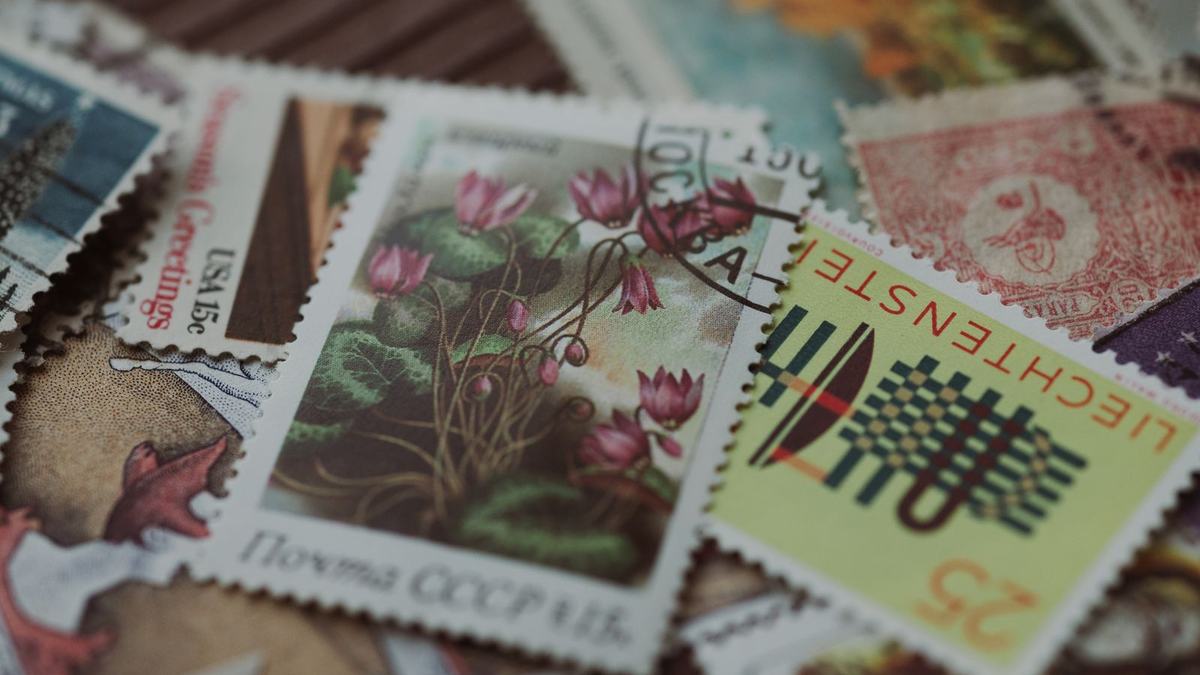
A public exhibition with an international range
The exhibition runs from 4 to 8 November, according to the Emirates Philatelic Association's published programme. WAM's 6 November report describes participation from 11 countries and a combination of competitive displays, rare stamps and postal material. The scale matters because it gives visitors several different ways into a subject that can otherwise appear to be a narrow collectors' market.
The 212 exhibition frames and 38 dealers serve different purposes. A frame presents material in an organised narrative that visitors can follow, while a dealer's stand is a commercial setting. Treating the two as separate experiences makes a visit more rewarding. Someone interested in learning about postal history need not begin by deciding whether to buy anything, and a purchase should not be confused with an exhibition's educational value.
The programme separates public access from private functions
The official timetable lists Saturday, 7 November, from 10am until 10pm and gives the same exhibition hours for Sunday, 8 November. Entry is advertised as free. The Saturday gala dinner at 8pm is marked by invitation, so it should not be read as an open public event simply because it appears within the wider exhibition programme.
The Sunday programme includes an 11am feedback session. Visitors should consult the organiser's latest programme for any changes before travelling, especially if they want to attend a particular activity. A dated programme is more useful than assuming every function associated with a fair has the same access arrangements. The published schedule provides a planning reference, rather than a guarantee that individual stands or activities will be available at every moment.
Look beyond the printed image on a stamp
For a first-time visitor, the most useful question may be what an item records. A stamp can show an officially chosen image, but the wider postal object may also reveal when and where a message travelled. An envelope, cancellation mark or address can place an attractive design inside a history of communication. These are ways of reading material, not claims about the identity of every object on display.
A simple approach is to compare the information printed on an item with the information added through its use. One layer was planned by the issuing authority; another emerged through the movement of a letter. That distinction helps visitors see why a collector might care about an apparently ordinary envelope as much as a visually striking stamp. Its significance can lie in the relationship between details rather than in decoration alone.
A collection becomes stronger when its argument is visible
An exhibition frame gives individual objects a sequence. Visitors can ask what question the collection is answering and how each item advances that explanation. Does the display trace a route, a place, a period or a theme? Reading captions alongside the objects often reveals why a particular example was included and how it relates to the material beside it.
This is also an accessible activity for families. Instead of trying to understand every specialist term, choose one frame and identify its central story together. Look for changes in names, dates, languages or imagery, then consider what those changes suggest. The exercise turns a large exhibition into a manageable act of observation. It does not require a child or accompanying adult to arrive with an established collecting interest.
Dealer conversations need their own set of questions
The presence of dealers adds a market dimension, but rarity, condition, provenance and personal interest are separate considerations. A buyer can ask what exactly is being offered, which characteristics support the description and what documentation accompanies it. A clear explanation of an item's identity is more useful than a broad statement that an entire category of collectibles is becoming valuable.
An exhibition's competitive or curatorial setting should not be treated as a promise of resale performance. Nor does participation by a dealer establish the authenticity or future price of every object on a stand. For a visitor considering a purchase, the practical task is to understand the particular item and the terms of the transaction. This is consumer analysis, not a claim that the organiser has announced a specific valuation or authentication service.
A cultural stop that rewards a slower pace
For travellers, the final weekend offers an indoor cultural visit that can complement a wider Sharjah itinerary. The useful unit of attention is a small group of displays rather than a hurried attempt to inspect all 212 frames. Choosing a theme, following its sequence and then comparing it with another collection gives the visit a structure without requiring a specialist guided session.
The association's programme and WAM's report provide the factual starting point: dates, location, international participation and the distinction between public exhibition hours and invitation-only functions. The experience itself depends on noticing how small objects carry larger histories. Approaching the fair with a question about communication, design or place can make the material legible long before a visitor learns the vocabulary of competitive philately.
By Gabriel Nicolaev – CyGuru
Gabriel Nicolaev – CyGuru
Sources & further reading
Emirates Philatelic Association: official programme
WAM: exhibition report, 6 November