
UAE / Travel
Dubai’s four new traditional abras connect heritage travel with clearer information
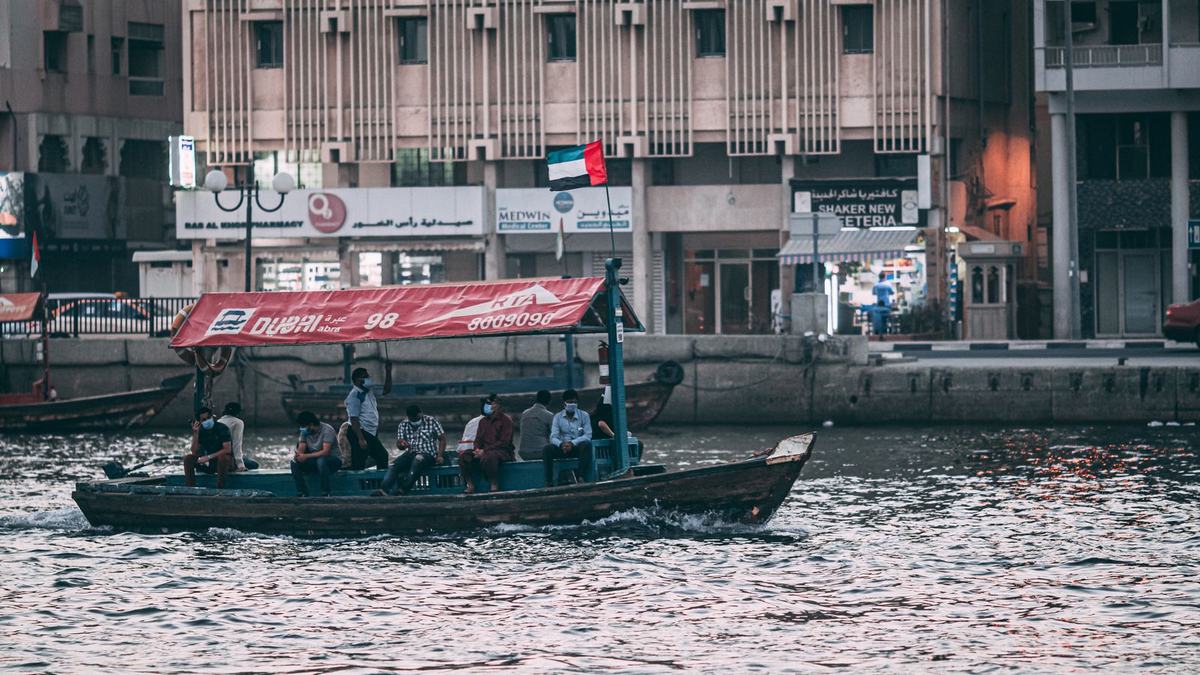
Dubai’s Roads and Transport Authority announced four new fourth-generation traditional abras on 6 November, each accommodating 24 passengers. The additions combine a familiar form of marine travel with changes to passenger information, seating and accessibility. For residents and visitors, the important question is how those features support the whole journey: identifying the destination, boarding comfortably and continuing from the arrival point to the place they actually want to reach.
The confirmed fleet addition
RTA describes the vessels as additions to its marine fleet, developed to the approved technical specifications for the fourth-generation model. The announcement identifies upgraded seating and flooring, more efficient interior space and designated areas for People of Determination. It also states compliance with the Dubai Universal Design Code’s health and safety requirements and relevant Gulf standards. These are claims about the new vessels’ design and conformity. They should be read at that level rather than extended into an assumption that every boat, station or boarding arrangement across the wider network is identical.
The release does not announce a new route, fare or timetable, and it does not assign all four abras to a named service in the published text. A fleet update therefore answers a different question from a journey-planning notice. A passenger choosing an actual trip still needs the current route, departure point, operating time and payment information. Keeping those questions separate allows the design improvements to be understood without presenting an unannounced service change as a benefit that a traveller can already book on a particular date.
Information is part of access
The new abras carry screens for real-time information and safety and awareness content, alongside electronic destination boards that RTA identifies as a first for this generation. Their significance is practical: a passenger needs to understand where a vessel is going before committing to the crossing. Someone familiar with the network may interpret a destination quickly, while a first-time visitor may need more reassurance. Clear information can reduce that difference, making a service easier to use without requiring the passenger to understand the network’s history or informal routines.
A display’s value depends on the question it resolves at the point of decision. A destination board helps identify the service; onboard information serves another stage after boarding. Neither should be assumed to replace the current official timetable or a staff instruction about an operational change. For a visitor combining a crossing with a cultural walk or a meeting, the useful approach is to check the planned service first and then use the vessel’s information to confirm the journey as it unfolds. That connects advance planning with the actual trip.
Accessibility extends beyond a designated space
The designated areas and revised interior layout give accessibility a visible place in the fleet update. For a passenger with a mobility requirement, however, the relevant journey begins before reaching that space. It includes the approach to the station, the boarding interface, movement inside the vessel and departure at the other end. This is a journey-planning implication rather than a claim that the release publishes measurements for every link. A traveller can use the announcement as a reason to ask more precise questions about the actual service they intend to use.
Useful questions concern the particular boarding points, the assistance available and whether the arrangements suit the passenger’s own requirements. A companion should also understand how the two ends of the trip connect to the rest of the day. These details can matter as much as the onboard space because a journey is only workable when its stages fit together. Confirming them through RTA’s relevant service channels is more reliable than treating a general accessibility statement as a personalised assurance about every possible itinerary or item of mobility equipment.
A crossing can shape a better visit
For a traveller, marine transport can be both a way to move and a way to understand how different waterfront places relate to one another. The crossing has a purpose within the itinerary when it links two parts of the day that the visitor actually wants to experience. That is different from adding a boat ride solely because it appears on a list of attractions. The useful planning question is where the passenger will be before boarding and what they will do after landing, including the onward walk or other transport required.
A family with a limited sightseeing window may value a straightforward crossing more than a complicated chain of transfers. A resident making a familiar trip may care more about clear operational information and comfort. Those are different uses of the same transport mode, which explains why interior design and destination information belong together in the announcement. The design can support the time spent onboard, while information helps the passenger choose and follow the service. Neither feature alone determines how convenient the entire journey will be.
What to verify before travelling
Before making plans around the additions, check the current marine service for the intended crossing and ask any accessibility questions that affect boarding or onward movement. Use the confirmed route and timetable to organise the rest of the visit, and follow current operational instructions on the day. The fleet announcement establishes four new vessels and their stated features. Its wider promise is a more usable marine experience; passengers will judge that through the clarity of the information, the ease of the transfer and the way the crossing fits their actual day.
Gabriel Nicolaev – CyGuru.
Gabriel Nicolaev – CyGuru
Sources & further reading
RTA: fourth-generation abra fleet announcement, 6 November 2026
ARN News Centre: new abras and passenger improvements, 6 November 2026