
Qatar / Explore
Zidane’s match becomes a work of art as a new cinematic exhibition opens in Doha
Doha’s 3-2-1 Qatar Olympic and Sports Museum opened Zidane: A 21st Century Portrait on 5 November, bringing Douglas Gordon and Philippe Parreno’s experimental film into Gallery 4. For visitors arriving this weekend, the attraction is an unusual meeting of football and contemporary art: a match reconstructed around one player’s experience rather than the television viewer’s pursuit of the ball.
A football match with a different centre
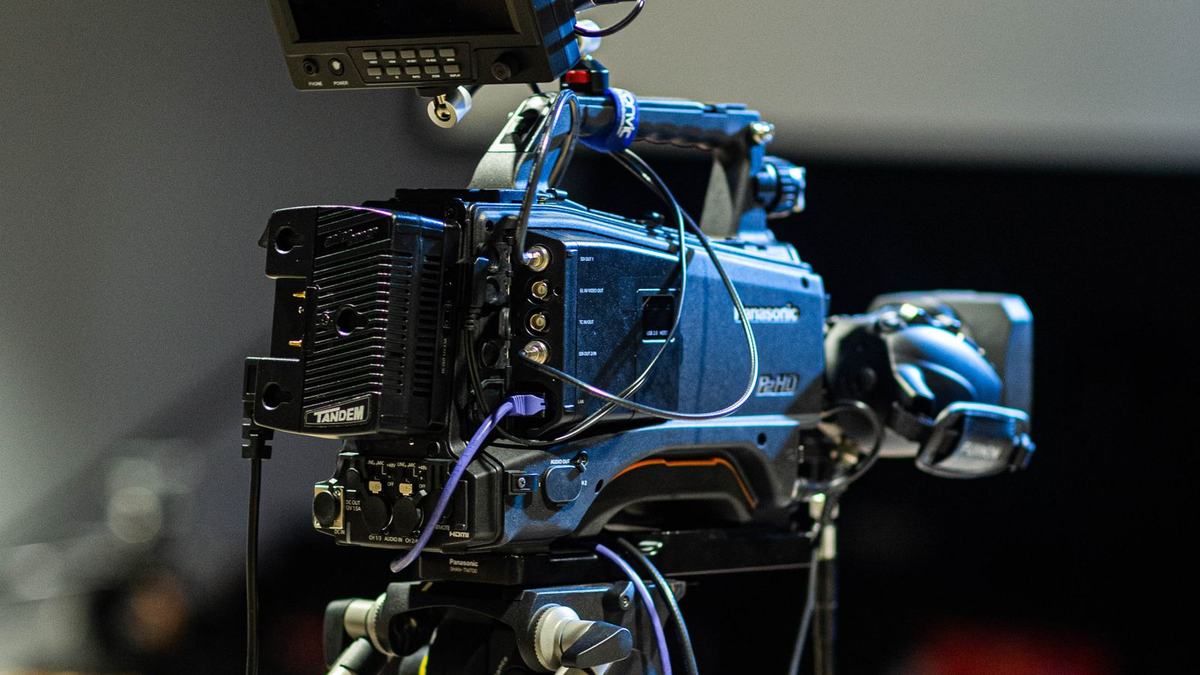
The installation draws on the 2006 film made by Gordon and Parreno from footage of Real Madrid playing Villarreal at Madrid’s Santiago Bernabéu on 23 April 2005. Seventeen synchronised cameras followed Zidane. That production choice matters more than any final score: a familiar public event becomes material for a sustained study of attention, movement and presence, with the player remaining the organising subject even when the match moves elsewhere.
The soundtrack is by Scottish band Mogwai. Together, the concentrated images and composed sound give the work a different rhythm from live sports coverage. A visitor need not arrive with detailed knowledge of league standings or football tactics. The useful starting question is simpler: what becomes visible when a camera refuses to abandon someone just because the most obvious action has shifted away from him?
That change of emphasis makes this an Explore visit rather than a sporting fixture. The exhibition is about the construction of an image and the experience of watching. Football provides the setting, but the portrait asks viewers to notice a body between decisive moments, the distance separating an individual from a crowd, and the way sound can alter the emotional weight of an otherwise familiar scene.
How to look beyond the highlights
An effective way to approach the installation is to resist looking only for a goal, a spectacular pass or a recognisable incident. Choose one aspect of the portrait to follow for a while: posture, changes of pace, gestures or the relationship between close and distant views. Then change the question. This gives a non-specialist a practical entry into the artists’ method without reducing the work to a biography of a celebrity.
For a mixed group of football supporters and art visitors, the contrast can become the point of the visit. One person may read a movement through their knowledge of a player’s role, while another notices how the framing creates isolation. Comparing those observations afterwards is more revealing than asking whether everyone liked the same moment. The work gives both kinds of visitor a shared object while allowing them to see different things.
The museum’s existing curatorial material provides a useful historical companion. Its 2022 account of Zidane’s legacy describes a signed France shirt from the 1998 World Cup, a specially made Adidas Predator boot and a Tricolore match ball. Those published collection references are background, rather than a new inventory promised for November. They suggest a productive comparison: an object can preserve an achievement, while a moving portrait can dwell on the effort around it.
Admission and this weekend’s opening times
The new exhibition is in Gallery 4 at the museum beside Khalifa International Stadium. Entry is included with museum admission, and tickets can be reserved online. The current Qatar Museums ticket listing gives the exhibition’s run as 5 November 2026 to 31 March 2027. That makes it a winter cultural option rather than an opening-night-only opportunity, although visitors should use the current booking calendar when selecting their actual date.
For Friday 6 November, the published museum opening hours are 1.30pm to 7pm. Saturday’s hours are 9am to 7pm. The regular schedule closes the museum on Tuesdays and extends Thursday opening until 9pm. These distinctions are worth checking before building a day around the installation: Friday morning is not an available museum slot, and a Tuesday plan requires another cultural destination.
The venue’s visitor guidance also notes that stadium events can sometimes restrict museum access. Check the museum’s own visit page before departure rather than assuming a booked cultural stop operates independently of everything around the stadium. General admission is valid for one entry on its selected date. Groups of 25 or more and commercial tour operators are asked to contact the museum at least 24 hours ahead.
Making the visit a cultural conversation
Families can keep the visit focused by agreeing on one question before entering and comparing answers after leaving the installation. Who controls the story: the person being watched, the camera operator or the spectator? The question works at different ages and avoids turning the gallery into a test of football knowledge. Children under 12 must remain accompanied by an adult, according to the museum’s visitor rules.
For a wider Doha itinerary, place this exhibition alongside a different form of visual storytelling rather than rushing through several similar stops. A film portrait, a historical object and an urban walk demand different kinds of attention. MyGCCNews’ Doha cultural guides below offer a framework for that sequence. The immediate news is a newly opened installation; its lasting attraction is the opportunity to reconsider how an apparently familiar public figure becomes an image.
A useful final comparison is between the remembered event and the experience of watching it here. Familiarity can make a visitor anticipate the next important moment; the installation invites attention to the time that anticipation usually erases. That is where a sports subject becomes a cinematic question.
Gabriel Nicolaev – CyGuru
Gabriel Nicolaev – CyGuru