
Bahrain / Living
Manama Culture Meeting Links the Gulf’s Creative Ambitions With a Shared Evidence Base
GCC culture ministers met in Manama on 5 November, with Bahrain chairing discussions on cooperation and the 2027–2030 creative-industries agenda. Alongside cultural exchange, the meeting highlighted an index and statistics platform intended to make the sector easier to understand and evaluate.
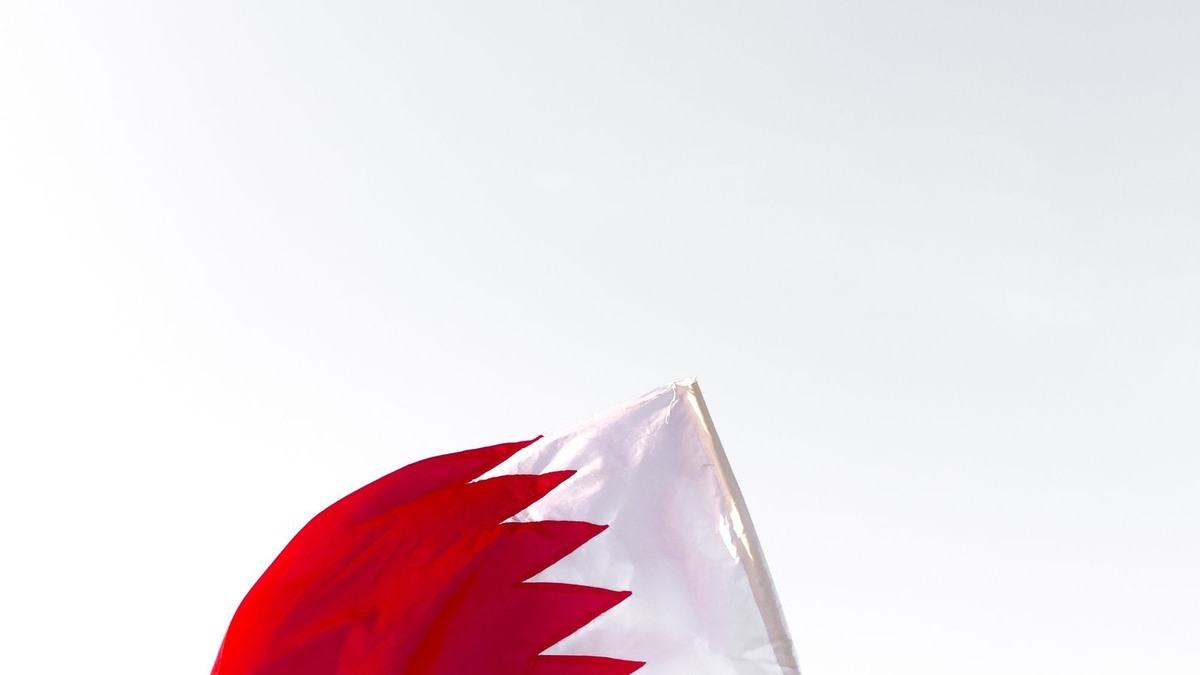
Bahrain hosts a discussion about the next planning period
The GCC General Secretariat and Qatar News Agency report that the 30th meeting of GCC culture ministers took place in Manama on 5 November. It was chaired by Sheikh Khalifa bin Ahmed bin Abdullah Al Khalifa, President of the Bahrain Authority for Culture and Antiquities. The discussion covered coordination, cultural and creative industries and the region’s international cultural presence. This places Bahrain in a convening role, bringing institutions together around shared work rather than announcing one national attraction.
The reported agenda gives particular attention to the 2027–2030 action plan and work on a cultural and creative industries index and statistics platform. The sources describe their importance for joint programmes and planning. They do not establish that a finished public database is already available or that a new funding application has opened. Those practical details would require separate published information before an artist, institution or company could act on them.
An inventory is useful, but it is only a starting point
GCC Secretary-General Jasem Mohamed Albudaiwi cited nearly 300 museums and more than 170 public libraries across member states. He also referred to cultural-event attendance exceeding 5.5 million and participation by more than 8,000 exhibitors and publishing houses. These figures were presented as regional indicators. They should not be read as Bahrain-only totals, and the reporting does not provide enough methodological detail to use them as a precise comparison of national performance.
The analytical opportunity is to connect such an inventory with the experience of using cultural institutions. Counting a building tells one story; understanding its collections, access, programme and audience tells another. A museum may serve researchers, school groups and occasional visitors in different ways. A library may support reading, study or community activities. A useful evidence base should help institutions ask better questions about those purposes rather than reward size alone.
Comparable data requires shared definitions
A regional index becomes meaningful when its categories are clear enough to compare. Attendance, for example, can mean admissions, individual people or visits to a programme involving several venues. Those measures answer different questions. Publishing the definition alongside the number makes the result easier to interpret. This is an editorial assessment of good measurement practice, not a description of rules already adopted by the proposed GCC platform.
The same principle applies to creative industries. A shared picture needs a clear account of which activities are included, when data was collected and how missing information is handled. Otherwise, changes in a total may reflect a revised definition rather than a change in the sector itself. Transparency about those choices does not weaken a cultural story. It gives decision-makers a firmer basis for understanding what progress would look like.
Cooperation is most visible in work that people can use
For cultural organisations, cooperation can become concrete through a programme that reaches an audience, a collection made easier to study or an exchange that leaves usable skills behind. Different forms of work need different measures. A touring performance and an archive project should not be judged by the same attendance target. The Manama meeting’s emphasis on implementation and outcomes makes that distinction relevant, while leaving the details of individual future projects to later announcements.
Bahrain’s local cultural landscape gives residents a practical way to engage with the broader discussion. A visit to Muharraq’s Pearling Path, for example, can focus on the connections between buildings, work and the sea, rather than treating heritage as a sequence of photo stops. Our guide offers that approach. It illustrates how cultural understanding depends on interpretation and attention as well as on the existence of a recognised place.
What creators and small businesses should watch
Artists, publishers and creative businesses should look for the next layer of information: eligibility, selection procedures, schedules and the institutions responsible for particular initiatives. A regional action plan does not itself give an individual access to a grant, commission or exhibition. Treating policy discussion as an open opportunity can lead people to spend time preparing for a process that has not been announced.
When a specific programme does appear, the useful questions concern both artistic purpose and practical delivery. Who is the intended audience? What work is required? How are rights, payment and responsibilities described? These questions do not diminish cultural ambition. They help creators understand the terms under which they can contribute, and they help institutions turn an attractive regional theme into a programme people can actually participate in.
The next test is visibility of implementation
The significance of the Manama meeting lies in joining cultural ambition with a discussion of evidence and delivery. A statistics platform could support more informed planning if its methods and outputs become usable. An action plan could improve coordination if priorities are translated into identifiable programmes. Both are possibilities to assess through subsequent disclosures, not completed outcomes that should be credited to a ministerial meeting alone.
For Bahrain, hosting the meeting adds another layer to its cultural calendar: the work of coordinating institutions alongside the work of presenting performances, heritage and collections. Readers can follow both. Attend local programmes with curiosity, and follow regional plans by asking what is being implemented, who can participate and how results will be understood. That combination keeps cultural coverage connected to public experience and to the institutional decisions shaping what comes next. Gabriel Nicolaev – CyGuru.
Gabriel Nicolaev – CyGuru