
Qatar / Business
Nakilat names nine vessels: the next chapter is delivery and operational readiness
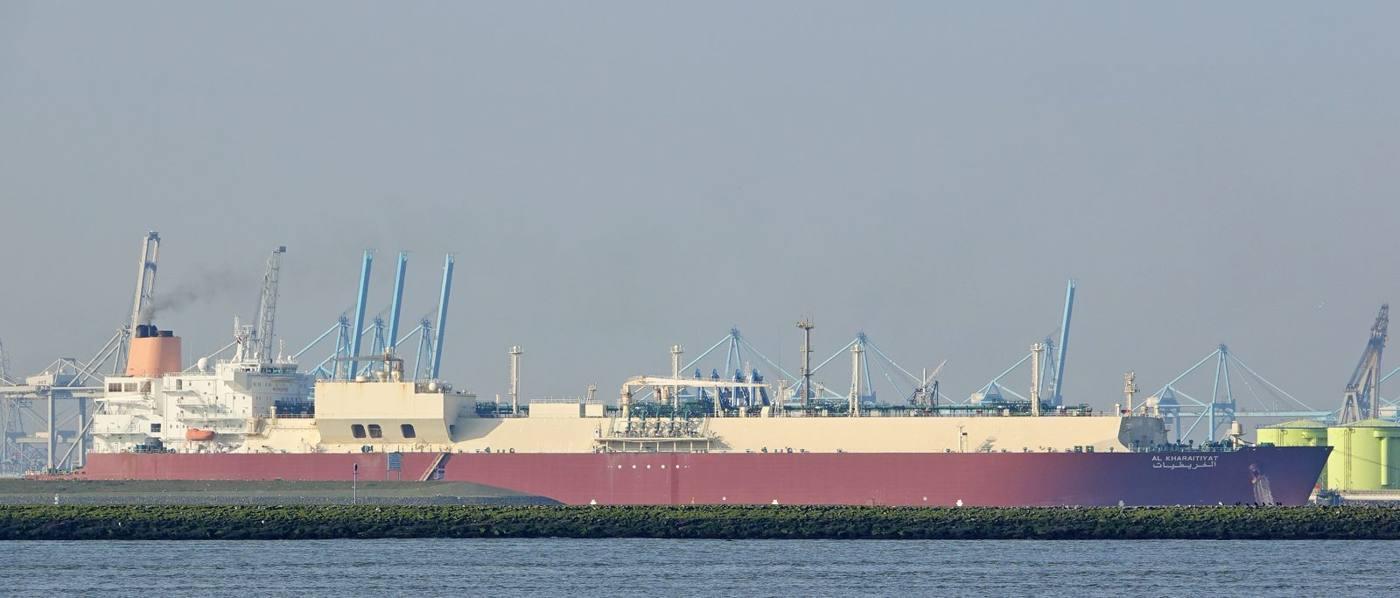
Nakilat announced the naming of nine vessels at South Korean shipyards on 2 November. The milestone connects Qatar’s expanding gas-shipping requirements with a broader fleet strategy, while a naming ceremony should be distinguished from a vessel’s delivery or entry into service.
What the announcement confirms
According to the company’s 2 November statement, the named vessels comprise seven LNG carriers and two LPG/ammonia carriers. Ceremonies took place across HD Hyundai Heavy Industries, Hanwha Ocean and HD Hyundai Samho shipyards. Those are the central facts of the update. The announcement describes progress across established construction programmes, rather than a new order for nine additional ships placed on the announcement date.
The distinction matters because shipping developments can be reported at several stages: a contract, construction milestone, naming, delivery, charter commencement and commercial operation. Each answers a different question. Readers evaluating the November update should retain its precise status instead of translating a ceremonial milestone into an unsupported statement that every ship is already transporting cargo.
Two construction programmes sit behind the nine names
Nakilat says five of the named LNG carriers belong to its programme for 25 conventional-size LNG vessels. Those ships are to be owned and operated by Nakilat and chartered under long-term arrangements to QatarEnergy affiliates. The other two LNG carriers and the LPG/ammonia pair belong to a separate six-vessel programme at HD Hyundai Samho.
This structure helps explain why the announcement is commercially significant without treating nine ships as a single uniform package. A fleet plan can combine different cargoes, ownership commitments and operating arrangements. The useful reading is the connection between a vessel and the programme it serves, particularly when assessing the company’s execution progress over successive announcements.
Fleet expansion is a logistics commitment
An energy project requires more than production equipment. Cargo must also reach a suitable ship, leave through a functioning terminal and arrive at a receiving facility prepared to handle it. In that chain, investment in maritime capacity supports the ability to move output between markets. This is the operational context of the company’s stated support for North Field expansion requirements.
It does not follow that a larger fleet automatically removes every transport constraint. Port access, maintenance, crew readiness, weather and the conditions along a route still matter. The company announcement provides evidence of construction progress; it does not provide a guarantee about future sailing times or a forecast that every element of the supply chain will perform without interruption.
Why the cargo mix deserves attention
LNG carriers and LPG/ammonia carriers serve different cargo requirements. Nakilat presents the latter as part of diversification, broadening the service offering alongside its LNG transportation activity. That is a useful strategic distinction. Expansion increases the scale of an existing activity; diversification changes the range of services that a fleet can offer.
Neither label, by itself, demonstrates a particular financial result. Commercial performance depends on the arrangements attached to each ship and the costs of operating it. The November statement should therefore be read as a fleet-development update. It should not be converted into a revenue estimate, an earnings projection or a claim about future market prices that the published information does not establish.
Delivery requires coordinated preparation
For a shipowner, readiness is an organisational task as well as a construction task. The move from shipyard milestones to operating service requires coordination between technical teams, crews, counterparties and the infrastructure involved in the intended trade. This is general shipping analysis, not a report that a particular vessel has encountered a problem.
Commercial readers can use that distinction to ask more focused questions when later disclosures arrive. Has delivery been confirmed? Has the relevant charter begun? What operating milestone is being reported? Tracking those questions is more informative than counting repeated photographs of a naming ceremony as if each photograph represented a separate addition to commercial capacity.
What this means for Qatar’s wider business ecosystem
The immediate announcement concerns Nakilat and its shipbuilding programmes. Its wider relevance lies in the long chain of services required by maritime energy transport, including specialist operations, equipment support and professional coordination. An announcement of fleet growth provides context for those activities; it is not an invitation to assume that a specific supplier contract has been awarded.
Businesses seeking an opportunity should separate general industry demand from an actual procurement opening. A credible next step is to identify the responsible buyer, qualification requirements and published process. Building a sales forecast from a headline alone creates an expectation without evidence about purchasing timing, eligibility or the share of work available to a new supplier.
The next evidence to watch
The most useful follow-up will be subsequent company disclosures that identify delivery and operating progress. These can be compared with the programmes described in the November statement. Consistent terminology will help readers avoid double counting: a ship named in one update and delivered in another is still the same ship.
For now, the verified development is a substantial naming milestone spanning LNG and LPG/ammonia transportation. Its significance is the visible advancement of a longer investment programme. The next chapter will be judged through execution: whether construction milestones become documented deliveries and whether those deliveries translate into reliable service under the relevant commercial arrangements.
Gabriel Nicolaev – CyGuru