
UAE / Explore
UAE Flag Day opens a month of national events: how to read the programme beyond the ceremony
The UAE marks Flag Day on 3 November, as Dubai begins a coordinated National Month programme running to 2 December. The announcements connect a shared national occasion with a wider cultural calendar, while leaving many individual event details for later confirmation.
The confirmed starting point
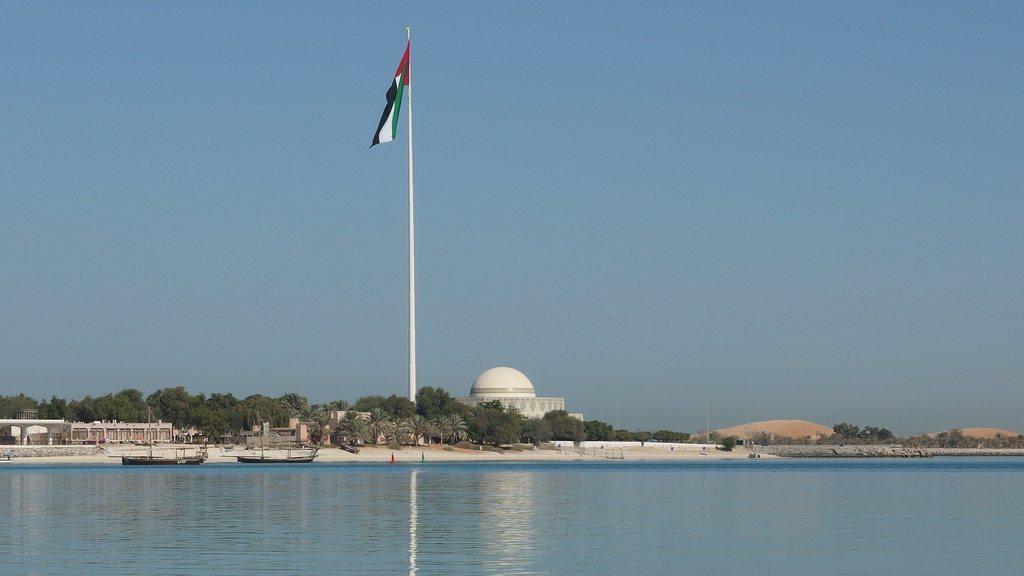
The 2 November WAM announcement sets Flag Day on Tuesday, 3 November, with public and institutional participation across the UAE. Separately, Brand Dubai announced a National Month programme for Dubai from 3 November to 2 December. These are related developments with different scopes: Flag Day is a national occasion, while the coordinated month of activities described by Brand Dubai applies to the emirate. Keeping that distinction clear matters when planning participation or describing the programme to visitors. An initiative announced for Dubai should not automatically be presented as an identical schedule in every emirate. The current announcements establish the occasion and broad calendar; they do not make every future event, venue and access arrangement final or interchangeable.
A national occasion and a local timetable
Official event listings show why a broad national invitation still requires local information. The National Media Authority lists Flag Day on 3 November, while Dubai’s Islamic Affairs and Charitable Activities Department publishes arrangements for its own premises and centres. That department’s listing identifies an 11am raising ceremony and an earlier gathering time for its employees. It is evidence of a particular organisation’s participation, not proof that the same attendance arrangements apply to every institution. For a resident, the useful next step is therefore to look for the information supplied by the actual organiser or venue. A national occasion can provide a common point of reference without removing the practical differences between a workplace ceremony, a school activity and an event intended for the wider public.
Why a repeated ceremony can still matter
Annual repetition changes the function of a public occasion. It gives institutions and families a familiar moment around which to communicate history, belonging and shared responsibility. The value of that moment does not depend on every participant having an identical background. In a country whose public life includes citizens and residents from many places, a shared ceremony can make an otherwise abstract national symbol visible in an ordinary setting: a school courtyard, an office entrance or a neighbourhood. That is an interpretation of the occasion’s social role, rather than a measured finding about how everyone experiences it. It also explains why the quality of participation matters. People need enough context to understand what they are joining, instead of being treated only as a crowd in a photograph.
Schools can turn the occasion into inquiry
For an educator, the strongest connection is between a visible symbol and questions pupils can investigate at an appropriate level. A flag-raising activity can lead into discussion of federation, the relationship between the emirates and the difference between national occasions. That work becomes more valuable when children can ask questions and distinguish what they have learned from what they have simply repeated. Schools should use their own approved teaching resources and communication arrangements; this report does not introduce a new curriculum requirement. Families can support the same process by asking children what an activity helped them understand. A meaningful answer may be modest and specific. The educational opportunity lies in connecting a ceremony with knowledge that remains useful after decorations have been removed.
Participation should be explained rather than assumed
An invitation to a community event works best when a newcomer can understand what is happening without needing an informal guide. Clear information can cover who the event is for, where to gather and what kind of participation is expected. That clarity is especially useful for residents attending a national occasion for the first time. Organisers should communicate the arrangements that apply to their own event rather than relying on a general announcement to answer every practical question. Participants, in turn, should follow the organiser’s guidance and verify details through official channels. This is a question of making an occasion accessible and respectful. It is not evidence of a new legal obligation on attendance, nor a suggestion that every resident will experience the same connection to the event.
What National Month adds to the calendar
Brand Dubai’s programme lists Flag Day, Eid Al Etihad activities, Flag Garden, a UAE Parade and the Stories of Our Determination short-film competition among the planned initiatives. It also says further details will be announced progressively. The practical significance is the move from a single occasion to a sequence of possible cultural encounters. People who cannot attend one activity may have another opportunity later in the month, subject to confirmed arrangements. That does not mean a visitor can yet construct a reliable itinerary from the programme’s names alone. A named initiative is a starting point for checking dates, locations, entry arrangements and any registration requirements. The distinction protects readers from treating an overview as a complete events guide.
A coordinated calendar needs useful information
Coordination is most visible to the public when event information is consistent and easy to act on. A programme involving government, semi-government and private organisations can create many entry points, but it can also create confusion if each announcement uses different levels of detail. The useful information is practical: the confirmed venue, the relevant date, the intended audience and the source to consult if arrangements change. For residents, a sensible approach is to keep the official organiser’s latest notice as the reference rather than an old social-media screenshot. For businesses sharing community information with staff or customers, linking to that reference is more reliable than copying incomplete details into a promotional message. The test of coordination is whether people can participate with fewer unnecessary uncertainties.
Cultural storytelling needs more than a slogan
The announced short-film competition points to another dimension of national occasions: the opportunity to tell particular stories within a shared theme. A strong cultural story normally gives the viewer a person, place, decision or experience to follow. It gains substance from verifiable detail and an honest relationship between what is shown and what is claimed. The announcement identifies the competition as an initiative of the Dubai Films and Games Commission, but this report does not supply eligibility rules, deadlines or judging criteria that have not been verified here. Prospective contributors should consult the official competition information before investing in production. The broader editorial lesson is useful regardless of entry: a concrete account of work, cooperation or community life is usually more informative than a sequence of general statements about achievement.
Businesses have a role beyond decoration
For a workplace, a national programme can be an opportunity to give employees a clearer view of the country in which they work. That might mean sharing accurate event information or creating space for a well-prepared internal discussion, where appropriate to the organisation. The quality of the activity matters more than its scale. A company should avoid describing attendance at a public occasion as evidence that its products have official approval or that it has a partnership it cannot demonstrate. Community participation and commercial endorsement are different things. Respecting that boundary helps keep public occasions credible. It also gives staff a more useful experience: one in which information, cultural understanding and practical arrangements are treated seriously rather than becoming a background for a sales campaign.
Visitors should plan one confirmed experience well
For a visitor, the month-long programme can add cultural context to a UAE trip, but it should not become a reason to overfill every day. A confirmed event with a clear purpose is more useful than several tentative stops assembled from incomplete announcements. The planning questions are ordinary but important: can the venue be reached comfortably, is the activity suitable for the group, and is there enough time to understand it? Any event-specific advice should come from its organiser. A photograph from an earlier celebration cannot establish the appearance or access conditions of a 2026 activity. The best use of the developing calendar is therefore selective: identify an event that fits the trip, verify it close to the visit and leave space to experience it properly.
What remains to be confirmed
As of 3 November, the public record establishes Flag Day and the broad dates and themes of Dubai’s National Month programme. The next material information will be the detailed notices for individual activities. Those announcements will determine what residents, schools, workplaces and visitors can actually book or attend. Until then, it is sensible to separate the confirmed occasion from assumptions about its delivery. The wider significance is already clear enough to examine: a shared national moment is being connected with a longer programme of cultural participation. Whether that programme creates lasting understanding will depend on the quality of its experiences and the clarity of its information. For readers, the useful response is informed participation, grounded in the specific place and event rather than in the calendar’s scale alone.
Gabriel Nicolaev – CyGuru