
Bahrain / Business
Ameeri’s Amform Transformer Project Puts Bahrain’s Industrial Supply Chain Under a More Practical Test
Ameeri Industries announced its Amform transformer-manufacturing project at Gateway Gulf 2026, according to 2 November regional reporting. The proposed Hidd facility raises questions about procurement, supplier qualification and the work required to turn a domestic factory into dependable industrial capacity.
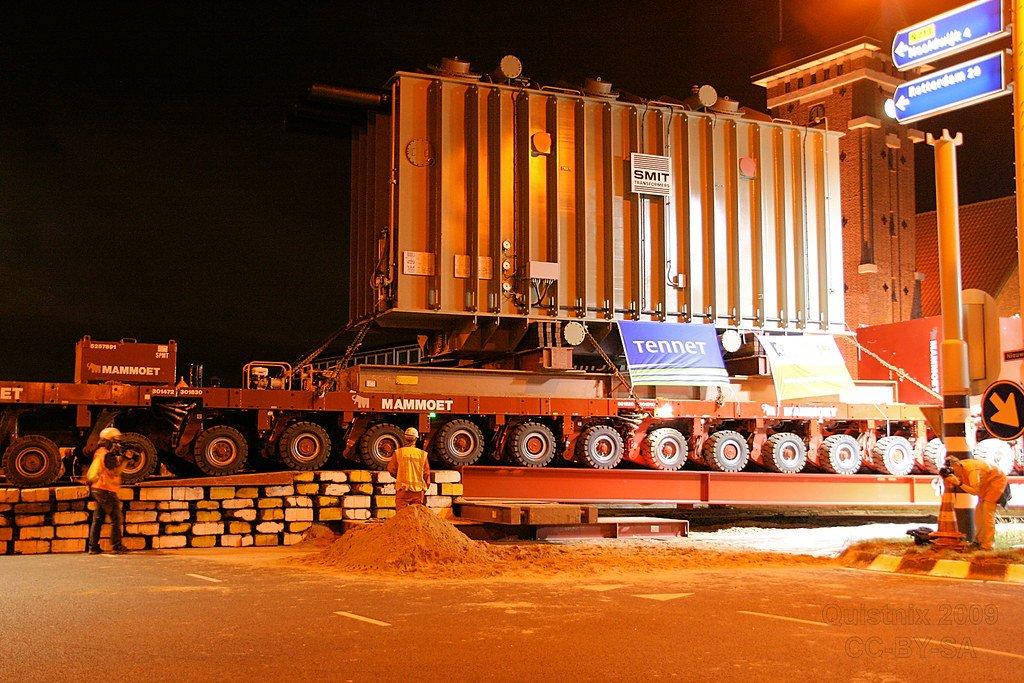
The announcement identifies a new manufacturing ambition
GCC Business News reported on 2 November that Ameeri Industries had launched the Amform project at Gateway Gulf 2026. The planned facility is described as occupying a twenty-three-thousand-square-metre plot in Hidd and manufacturing medium-voltage distribution transformers. Asharq Al Awsat’s forum coverage separately reported the project and its domestic-market focus.
Those accounts establish the announcement, not completed production. The reports describe an intention to serve Bahrain before pursuing wider GCC opportunities. They do not establish a commissioning date, confirmed annual output or a list of awarded customer contracts. The distinction is important because manufacturing capacity becomes commercially useful through a sequence of operational steps that follows the initial investment decision.
A domestic location changes some questions, not every question
The immediate attraction of local manufacturing is proximity. A buyer may be able to discuss requirements with a nearby team, inspect work more conveniently and build an ongoing relationship. However, distance alone does not determine reliability. A purchasing decision also depends on whether a supplier can deliver the right product, with the information and support the customer requires.
The Amform announcement should therefore be evaluated without treating local production as an automatic answer to every supply-chain problem. A factory can reduce some logistical complications while still depending on inputs, specialist equipment and disciplined processes. The relevant future evidence will concern how the operation handles those dependencies. The published reports do not provide a detailed map of the project’s suppliers or production arrangements.
Qualification comes before a durable customer relationship
For an industrial buyer, a new supplier is a question to investigate rather than a capacity figure to accept at face value. The buyer needs to define the intended use, communicate requirements and establish what evidence will demonstrate that the supplied product is suitable. That process protects both sides by reducing ambiguity before a commercial commitment becomes difficult to change.
A practical qualification conversation asks who approves the specification, how changes are documented and what information accompanies delivery. These are procurement questions, not a statement that Amform has or lacks any particular certification. No certification claims or technical performance figures are added here. The project’s eventual published product information and customer qualification processes will provide the basis for more specific assessment.
The specification is a coordination document
Industrial purchasing can go wrong when different people believe they have agreed to the same thing but are using different assumptions. A project team may focus on function, a purchaser on price and a delivery team on timing. A sufficiently clear specification helps bring those priorities into one documented requirement before work proceeds.
For a manufacturer, the commercial value of understanding a customer lies partly in asking the questions that reveal missing information. A nearby factory may make those conversations easier, but it still needs a consistent method for recording decisions. This analytical framework applies to the proposed project without implying knowledge of unpublished internal procedures. It also explains why customer engagement can matter as much as the announcement of a manufacturing site.
Testing and documentation need to match the promised product
The meaningful question for a buyer is not simply whether testing occurs, but whether the evidence supplied corresponds to what was ordered and delivered. Records need to be understandable to the customer’s responsible team. A successful transaction should not leave that team reconstructing the product’s history from incomplete messages after the equipment arrives.
This is a general quality-assurance perspective, not a claim about a particular testing standard or the new factory’s arrangements. Those details require verified product documentation and the relevant customer requirements. The wider point is that reliable manufacturing includes an information product alongside the physical product: the records that allow a buyer to understand what has been made, checked and supplied.
Import substitution is an objective to measure carefully
Regional reporting describes the project as a way to reduce dependence on imported transformers. That is a stated ambition rather than an achieved change in trade flows. To assess progress later, readers would need evidence of actual domestic supply and a clear understanding of what the new operation produces rather than simply assembles, distributes or sources from elsewhere.
A useful assessment would also distinguish sales from market replacement. A local manufacturer can win orders while imports remain important, particularly if demand changes. The announcement does not establish a future share of Bahrain’s market, and this article does not estimate one. The stronger question is whether the project develops a dependable capability that customers are willing to use repeatedly.
Lead times are promises across several connected processes
A delivery date can depend on more than the final stage of manufacture. Inputs, design clarification, approvals, production scheduling and transport all have to align. A supplier that understands where uncertainty sits can communicate more credibly than one that treats the original requested date as a guarantee regardless of changing conditions.
For prospective customers, a useful commercial discussion separates the supplier’s confirmed commitments from assumptions that still need resolution. It also establishes how a change will be communicated and who can approve it. These are planning principles rather than observations about Ameeri’s current performance. The proposed facility’s future order book and delivery record will matter more than an untested expectation that proximity alone must produce shorter timelines.
A manufacturing project also needs organisational depth
A production facility depends on people who can make decisions consistently, maintain records and communicate across functions. Investment in a site does not by itself establish that those routines are mature. The practical work includes connecting purchasing with production, quality with delivery and commercial discussions with what the operation can actually provide.
Ameeri’s official corporate website describes an established presence in electrical products and other manufacturing activities. That background is relevant context, but it should not be treated as evidence that every process for a new product line is already in place. Existing experience can provide a foundation; a new operation still needs to demonstrate its own capabilities and build a record of execution.
Regional expansion requires more than shipping across a border
The reports place potential GCC sales after the domestic-market phase. That sequence makes the future evidence easier to follow: first establish an operating capability and customer proposition, then examine how the business might serve additional markets. The announcement does not identify a completed export programme, approved distributor network or secured regional contracts.
From an analytical perspective, expanding a manufacturing offer means understanding each customer’s purchasing process, support expectations and documentation requirements. A factory may be geographically close to several markets while still needing different commercial relationships to reach them. Readers should therefore distinguish a regional addressable opportunity from business already won. The project’s later announcements should be assessed against that difference.
Lifecycle support belongs in the purchasing conversation
Industrial equipment purchases create relationships that can continue after delivery. Buyers need to know how to raise a question, obtain relevant documentation and establish who handles support. Clear responsibilities make a commercial arrangement easier to manage, particularly when the person operating equipment is different from the person who originally approved the purchase.
A strong evaluation therefore considers support alongside the initial price and delivery promise. It does not assume that the lowest quoted cost represents the complete operating relationship. This is a procurement framework, not a recommendation to choose a particular supplier. Actual decisions should rest on the buyer’s requirements and verified commercial terms, including the scope of any commitments made by the manufacturer.
The next milestone is evidence of an operating capability
A commissioning update, defined product range and published route for commercial enquiries would make the project easier to evaluate. Later, customer qualification, repeat business and a dependable delivery record would provide stronger evidence of industrial value. These are possible indicators for readers to watch; they are not outcomes already established by the launch announcement.
Amform’s significance lies in the possibility of adding a new manufacturing capability to Bahrain’s economy. The 2 November reporting gives that ambition a location and a product direction. The harder work now concerns execution: coordinating inputs, people, quality and customer requirements until an announced facility becomes a supplier that businesses can rely on. That is the practical test behind the investment headline.
Gabriel Nicolaev – CyGuru