
Kuwait / Sport
Kuwait’s Inclusive Ice-Hockey Initiative Starts With Recruitment, Coaching and Access
A Kuwaiti winter-sports club outlined plans on 2 November to recruit and train young athletes with disabilities for ice hockey. The announcement puts attention on the practical route into a sport: finding interested players, establishing suitable support and building a programme that can continue beyond its launch.
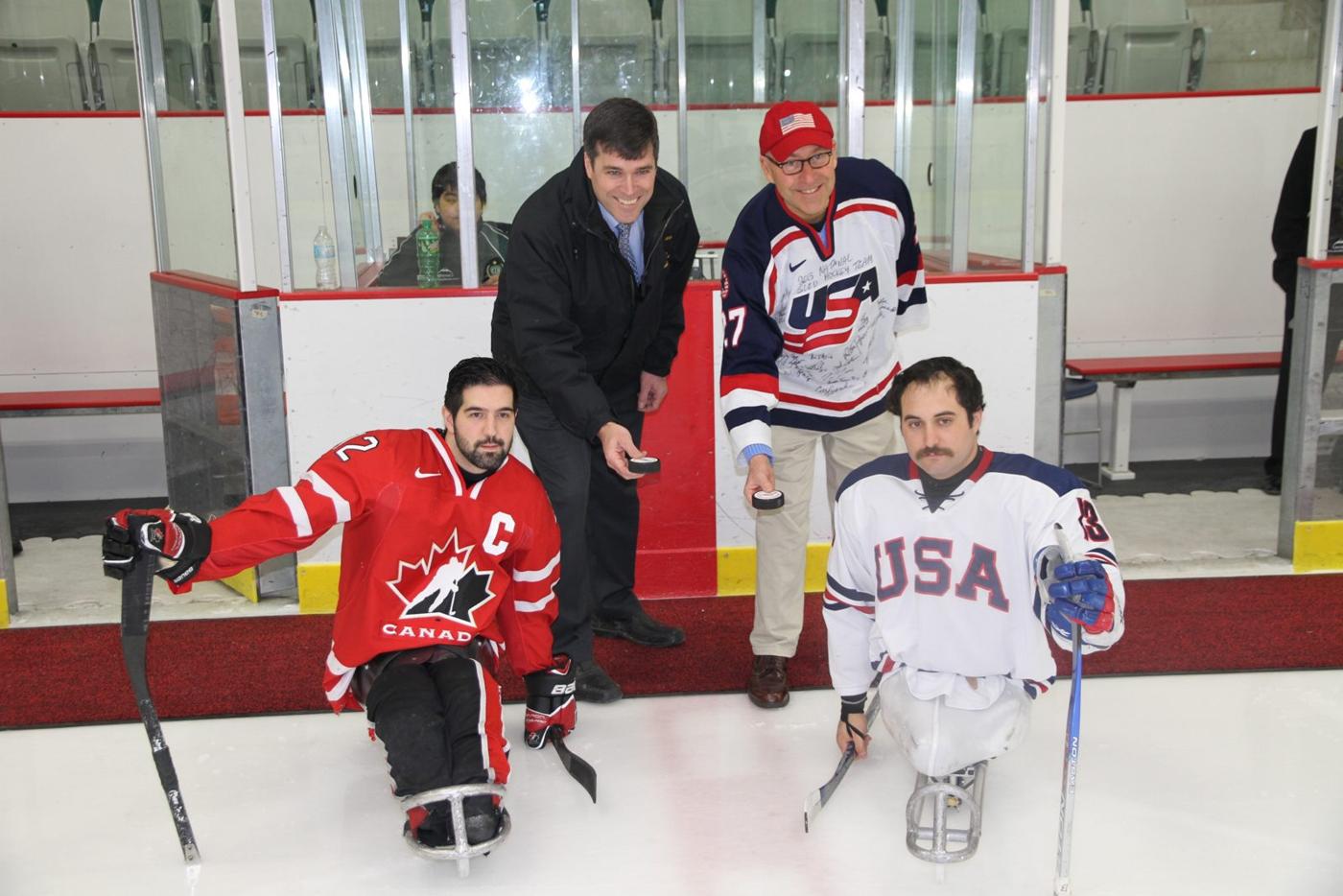
What the club has announced
Regional reports carrying Kuwait News Agency coverage say the club has begun discussions with schools attended by students with disabilities. The stated purpose is to identify young people interested in ice hockey and introduce them to its basic skills. The club’s president also described an ambition to develop participation in other winter disciplines over time.
This is a report about an emerging programme, rather than the results of an established national competition team. The coverage records plans to recruit an initial group and organise specialist training. It does not justify assuming that a complete playing squad, a published competition calendar or a final pathway for every interested participant is already in place.
Why the first contact matters
For a family, an announcement becomes useful when it leads to a clear conversation about participation. Interest in sport can be strong while the route into a club remains uncertain. The first practical questions concern whom to contact, what an introductory session involves and how the organisation understands an individual participant’s needs. Those details determine whether an invitation can become a realistic opportunity.
The reports encourage interested young Kuwaitis with disabilities to contact the club. Families should therefore seek current information directly from its administration rather than treating a newspaper report as a registration form. Session availability, entry arrangements and the support offered to participants need confirmation from the organisation delivering the programme. No registration deadline or participation fee is established here.
Training is a process, not a single event
An introductory activity and a sustained training programme serve different purposes. A first session can make the ice and equipment less unfamiliar. Continued participation requires a reliable routine, suitable coaching and opportunities to practise progressively. The importance of the initiative will depend partly on whether participants can return regularly and develop confidence at a pace that supports their learning.
This is an editorial assessment of what makes a participation pathway usable, rather than a claim about services already provided. Public reporting describes the club’s intention to recruit specialist coaches and make equipment available. It does not establish the final details of each participant’s training plan. Those arrangements should be clarified through direct contact as the programme develops.
Inclusion and competition eligibility are different questions
An inclusive invitation to try sport should not be confused with automatic eligibility for a particular international Para competition. The International Paralympic Committee explains that classification is specific to each sport. It determines whether an athlete meets that sport’s eligibility criteria and how impairment affects the relevant sporting activities. Having a disability alone does not settle that assessment.
That distinction protects the accuracy of the news and the expectations of potential participants. A club can introduce someone to an activity without a newspaper being able to confirm their future competitive classification. Families interested in a competitive pathway should ask which rules and governing body apply, what assessments are necessary and who is authorised to explain the process.
What families can clarify before attending
A useful enquiry can cover the format of an introductory session, the equipment that is provided and the clothing or preparation the club recommends. It can also address transport, accompanying adults and how information about individual support needs is handled. These are practical questions for the club, not evidence that any particular service or arrangement has already been guaranteed.
Clear communication helps both sides. A participant can describe interests and previous experience without being expected to know the sport’s technical language. The organisation can explain the next step and the limits of its current programme. Where personal health or support questions arise, families should use the appropriate qualified professionals and the club’s own procedures rather than relying on general sports coverage.
How to judge progress after the announcement
The most useful follow-up information will concern participation and continuity. Has recruitment produced a group that can train regularly? Are session arrangements clear? Are players and families receiving understandable information about development opportunities? These questions reveal more about an initiative’s practical reach than promotional language alone.
Competition ambitions can provide motivation, but they should be reported alongside the work that makes them possible. Coaching, equipment, suitable facilities and a consistent programme all form part of that work. The current coverage establishes an intention to create opportunities. Later reporting should distinguish between those intentions, the activities actually delivered and any independently confirmed competitive achievements.
A meaningful opportunity without premature promises
Kuwait’s announcement is relevant because it opens a conversation about who gets a realistic route into winter sport. Recruiting through schools may help reach young people who have not previously considered ice hockey. Whether that interest turns into long-term participation will depend on the clarity and reliability of the next steps offered to them.
The responsible reading is therefore positive but specific. The club has described a recruitment and training initiative for young athletes with disabilities; it has not supplied evidence for every possible future outcome. For interested families, the immediate action is to establish direct contact and ask about a suitable introduction. For the wider sporting community, the next test is whether the programme becomes a dependable place to learn and participate.
Gabriel Nicolaev – CyGuru
Sources & further reading
Kuwait Times/KUNA: initiative announced November 2
Arab Times/KUNA: recruitment and training report
International Paralympic Committee: Para ice-hockey classification
World Para Ice Hockey: rules and regulations
Photo credit: US Embassy Canada
Photograph licence: Creative Commons