
UAE / Business
Dubai announces Nad Zabeel research campus: the next test is turning collaboration into results
Dubai announced Nad Zabeel, its future research, development and innovation campus, on 1 November. The project brings a new physical focus to the emirate’s research ambitions, with its eventual impact depending on the partnerships and practical work built around it.
What Dubai has announced
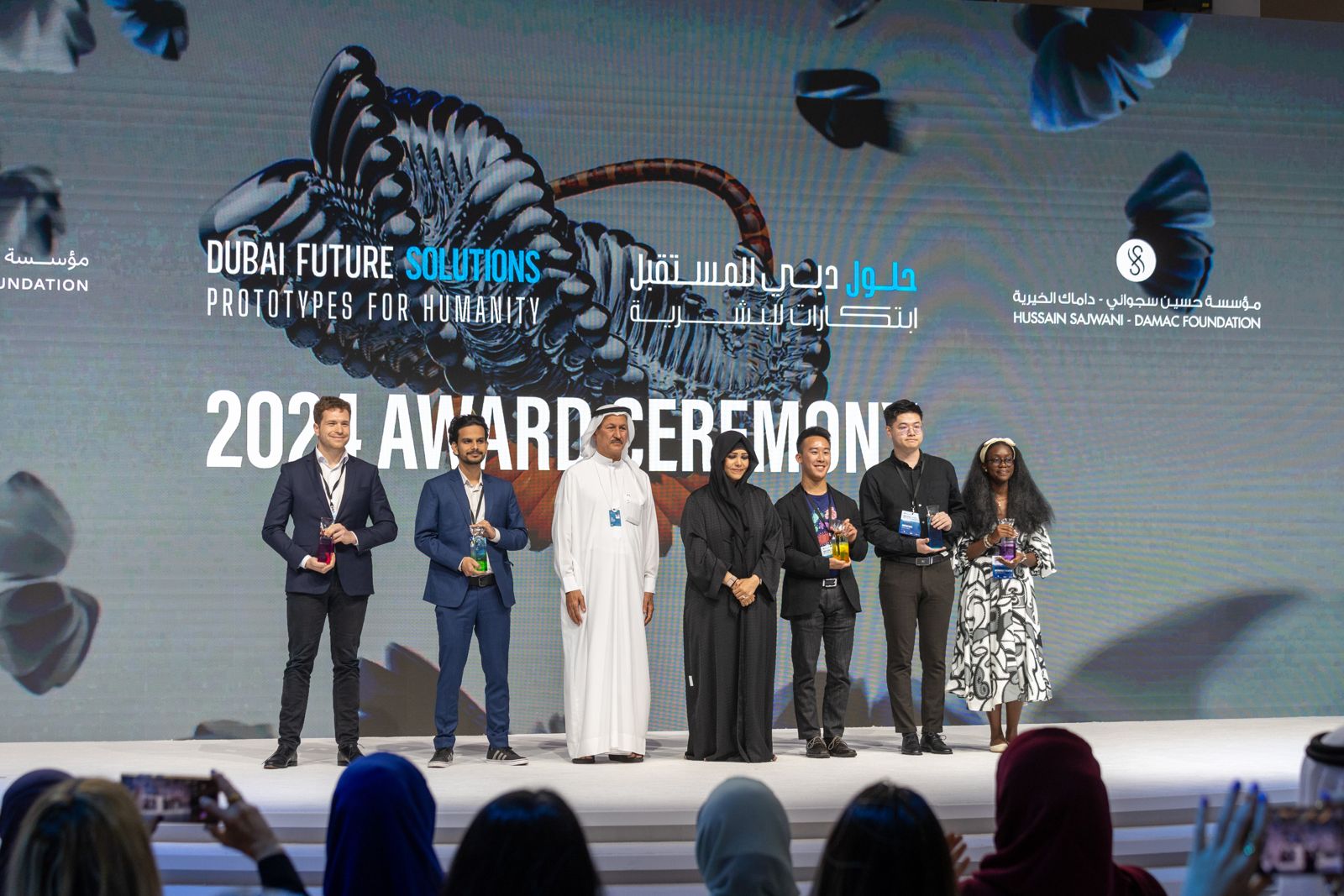
Sheikh Mohammed bin Rashid witnessed the announcement of Nad Zabeel on 1 November, according to the Emirates News Agency. The project is described as Dubai’s Future Research, Development and Innovation Campus. Sheikh Hamdan bin Mohammed launched the initiative in his capacity as chairman of the Dubai Future Foundation’s board of trustees. The announcement concerns a future campus and its intended role, rather than a completed facility already admitting research teams.
The National reported that the proposed campus would be located in Zabeel Park and bring together universities, technology businesses, investors and government entities. Its report describes a development horizon of five years. These are plans and expectations. The distinction matters when assessing employment opportunities, laboratory availability or commercial contracts: the announcement establishes a direction, while individual opportunities will need their own published requirements and timelines.
Analysis: proximity is useful only when work can move
The editorial analysis that follows considers the project’s potential significance; it does not report unpublished delivery commitments. A campus can lower the effort involved in finding collaborators, but shared geography alone cannot make organisations cooperate. Researchers need routes to equipment, data and suitable partners. Companies need a way to explain a real operational problem without spending months navigating introductions. Public bodies need confidence that a trial will answer a defined question.
For that reason, the most useful future announcements would explain how these relationships will work. A clear application process for shared facilities, a named contact for research partnerships and published selection criteria would say more about practical accessibility than an impressive architectural presentation. They would also help smaller businesses judge whether participation is realistic before committing staff time or paying consultants.
A bridge between laboratory work and commercial decisions
Research and commercial development move at different speeds. A laboratory may need several iterations before a result can be reproduced reliably, while a business usually needs a deadline, a budget and a reason to choose one solution over another. The campus’s commercial relevance will depend partly on how well its programmes acknowledge this gap. A useful pilot defines the problem, the evidence required and the decision that evidence will support.
This provides a more meaningful way to judge progress than counting demonstrations alone. A prototype can be valuable even when a company decides against deploying it, provided the trial produced reliable knowledge. Equally, an attractive demonstration does not establish that a product works at scale. Future reporting should distinguish laboratory validation, limited operational trials and sustained commercial use instead of treating them as interchangeable achievements.
Why the wider research network matters
The campus also sits within a broader policy direction. Dubai’s official announcement of the RDI Ecosystem in December 2025 placed that initiative under the Dubai Future Foundation. Nad Zabeel therefore arrives after an organisational framework had already been announced. That sequence makes the relationship between a physical campus and the wider network an important question for subsequent updates.
A strong network should allow work to continue beyond one address. Universities with existing laboratories, businesses elsewhere in the emirate and researchers visiting for a particular project could all have different requirements. An effective campus model would explain what must happen on site and what can be shared across institutions. Otherwise, a central location risks being mistaken for the entire research system rather than one part of it.
What smaller companies can usefully prepare
For a smaller technology company, the sensible response is to organise evidence about its capabilities. A short account of the problem it solves, the stage of its technology, the tests already completed and the expertise it still needs would support a future partnership discussion. This preparation is useful independently of whether a formal Nad Zabeel application window opens soon.
Businesses should avoid reading the announcement as a guaranteed grant, subsidised tenancy or procurement contract. None of those follows automatically from a research-campus launch. If specific programmes are published, applicants can then compare eligibility, intellectual-property provisions, costs and expected deliverables. That approach keeps preparation proportionate and prevents a promising announcement from becoming the basis for unsupported financial assumptions.
Talent needs more than a destination
For researchers and students, an eventual campus could provide a visible place to explore careers that cross academic and commercial boundaries. The stronger signal, however, will be the substance of individual research positions: supervision, equipment access, funding duration, publication expectations and opportunities to gain experience in real applications. These details determine whether a role offers a credible development path.
The same applies to international recruitment. A headline ambition to attract specialists should not be confused with confirmed vacancies. Candidates should assess any advertised role through its named employer and formal terms. The interesting longer-term question is whether the project helps teams build sustained expertise, allowing knowledge to remain useful after an individual event, visiting fellowship or promotional programme ends.
The milestones that deserve follow-up
The next reporting priorities are concrete: a delivery timetable, the first participating institutions, arrangements for shared facilities and a transparent route for proposing projects. Each would narrow the distance between a broad ambition and a service that researchers or companies can actually use. Changes to the original plan should also be reported clearly, with the date and scope of the update.
For now, the confirmed development is the 1 November announcement of a future RDI campus. Its significance lies in the attempt to give collaboration a recognisable home. Its eventual success will be easier to assess through documented research outcomes, repeat partnerships and practical access than through the scale of the announcement itself.
Gabriel Nicolaev – CyGuru
Sources & further reading
The National: proposed campus and delivery horizon
Dubai Media Office: establishment of the RDI Ecosystem
Photograph: Wikimedia Commons (CC0; photographer not specified) — CC0