
Saudi Arabia / Explore
Wrth Completes Its Aseer Camp: The Work Behind Keeping Traditional Skills Alive
The Royal Institute of Traditional Arts has completed its third Wrth Camp in Aseer, with more than fifty trainees taking part in a month-long programme. The 2 November completion report highlights a practical question for cultural education: how does learning continue after the final workshop?
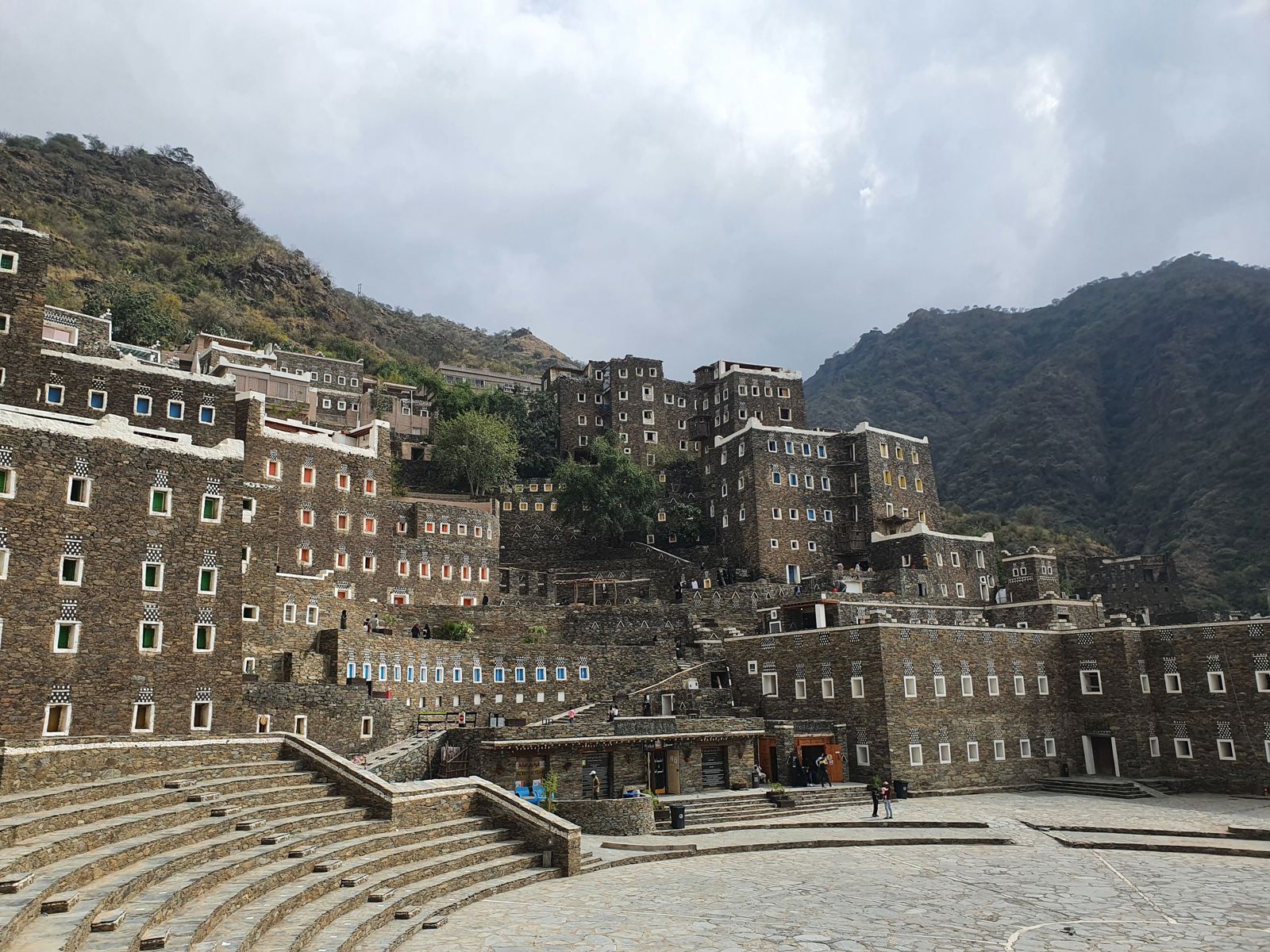
A completed programme, reported on 2 November
The Saudi Press Agency's completion report describes a thirty-one-day programme involving training, workshops and cultural visits. Wrth's own event page dates the camp from 1 to 31 October in Tabab, Aseer, and identifies three specialised tracks: traditional stone construction, hand embroidery and metalwork. Applications for this edition are closed.
Those details establish the activity that has taken place. They do not establish the future employment, commercial income or professional standing of every participant. The wider significance of the camp lies in the relationship between structured learning and the longer process through which a practical tradition remains usable, teachable and meaningful.
Craft education needs repeated decisions
A traditional skill contains a sequence of decisions that a finished object can conceal. Material selection, preparation, proportion, tool handling and correction all affect the result. A learner who understands those decisions can investigate a problem and improve a process, rather than reproducing only the visible outline of an example.
That is why practical education needs time for repetition and feedback. The educational value of a workshop cannot be judged solely through an attractive final photograph. Questions about how a learner tested an approach, recognised an error and revised the work offer a more substantial way to understand what the training has contributed.
A regional setting can strengthen interpretation
Learning in Aseer gives participants an opportunity to connect technique with place. Buildings, working environments and encounters with local communities can help explain why a particular method or material developed. A field visit becomes especially useful when it generates questions that can be taken back to practical work.
Regional context also requires care. A cultural landscape contains different practices and personal histories. An institution should make clear which tradition, maker or technique a particular lesson concerns. Treating the region as one undifferentiated decorative style can flatten precisely the knowledge that a heritage programme is intended to sustain.
Living heritage has several forms
Aseer's cultural significance extends beyond the three tracks listed for this camp. UNESCO recognises Al-Qatt Al-Asiri, a traditionally female interior-wall decoration practice, on its intangible-heritage list. That is wider regional context, rather than evidence that this particular art was one of the camp's advertised training tracks.
The distinction matters because heritage communication should preserve the identity of each practice. A visitor, student or potential customer benefits from knowing what is being demonstrated, who holds the relevant knowledge and which part of the story comes from a particular institution. Clear attribution respects both the tradition and the people who continue it.
Documentation should explain a process
A useful record of learning combines images with notes about materials, sequence and the choices made during production. The object alone may not show why a step mattered or what changed after feedback. Process documentation gives the learner a reference for later practice and makes future questions easier to formulate.
Public presentation needs a separate decision about permission and credit. A learner should understand how an instructor, a community contribution or a source example is acknowledged. Documentation can extend the educational value of a programme while preserving the difference between a student's exercise, a teacher's established work and an independently developed piece.
The transition after the camp matters
Completion creates a natural point for taking stock. A participant can identify the techniques that feel dependable, the areas that need further practice and the resources required to continue. Access to suitable space, materials and informed feedback may shape that next stage as strongly as initial enthusiasm.
For institutions, follow-up information can make cultural education more legible. Readers can look for subsequent learning opportunities, clear progression routes and evidence of continuing practice. These are useful questions for assessing the broader model; they are not outcomes that should be assumed from the number of people who attended one completed edition.
Commercial work requires its own readiness
Some learners may eventually wish to offer products or services. A commercial commitment introduces requirements beyond making a successful training piece: a defined specification, consistent quality, a delivery timetable, pricing and a clear agreement with the customer. Each element needs to be established for the actual work proposed.
A gradual approach can protect both the craft and the maker. Document the scope that can be delivered reliably, test repeatability and communicate honestly about variation. Cultural value does not remove commercial responsibilities. Equally, commercial presentation should leave room for the material and interpretive qualities that make the work worth understanding in the first place.
The significance of the completion report
The Aseer camp demonstrates a completed institutional effort to bring participants, practical learning and regional context together. Its immediate news value is specific: this edition has finished, and the official sources identify its duration, setting and broad areas of work.
The more consequential story develops over time through practice, teaching and the responsible use of knowledge. Readers interested in future participation should follow Wrth's official programme information for a new announcement, rather than treating the closed October edition as a current booking opportunity. The useful measure of continuity is what people can keep learning, making and explaining after the closing day.
Gabriel Nicolaev – CyGuru