
Saudi Arabia / Business
Hail Camel Auction Reports More Than SAR45 Million in Sales: Reading the Heritage Economy
The seventeenth Hail Camel Auction concluded after ten days, with official reporting recording more than SAR45 million in sales and over sixty thousand visitors. The figures show the scale of the event while leaving important questions about transactions, visitor activity and the wider local economy.
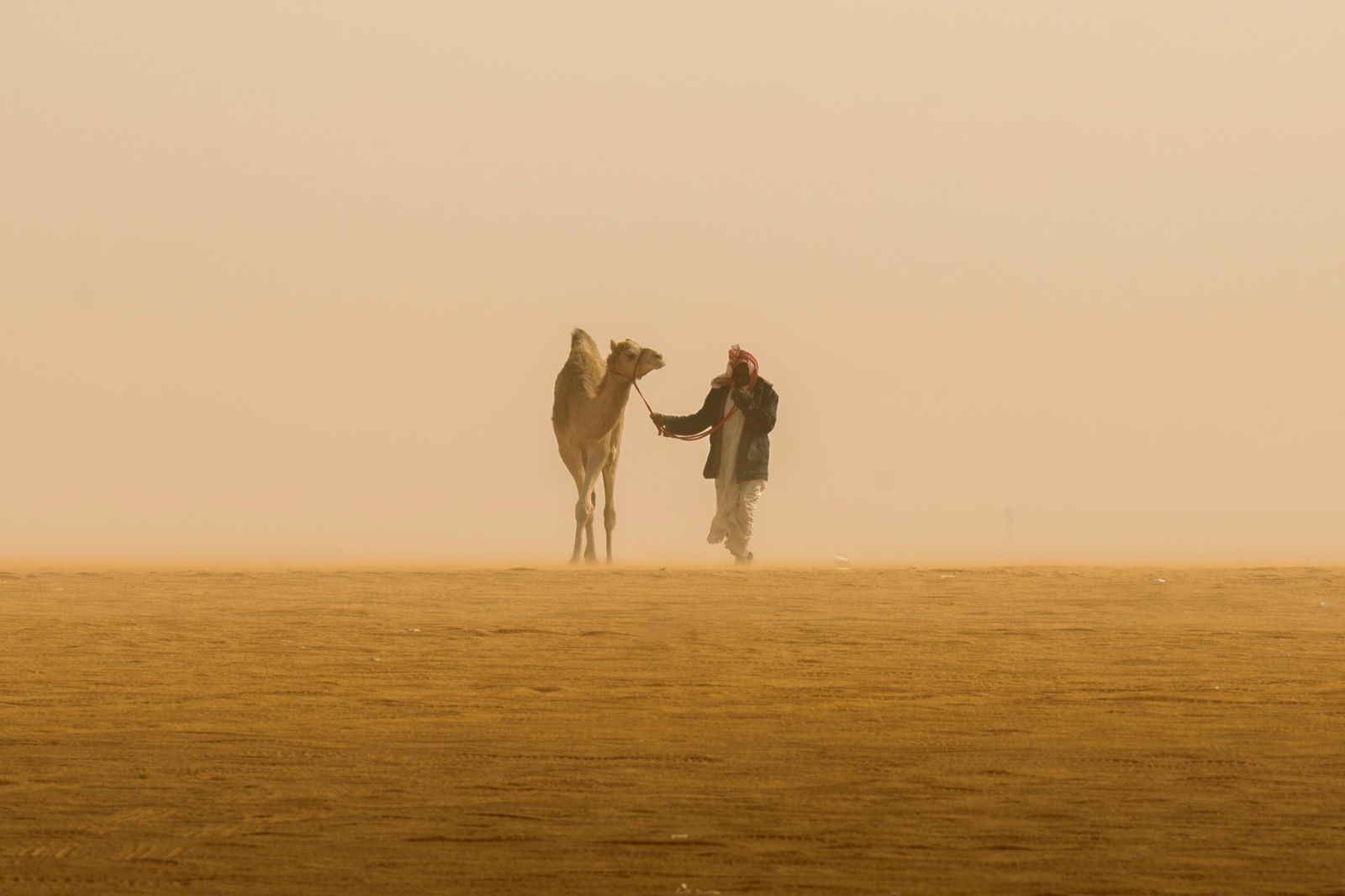
The event has concluded
The Saudi Press Agency's Arabic dispatch dated 1 November states that the auction concluded the previous day. Its English report on 2 November likewise describes a Saturday conclusion after a ten-day programme. The reported sales covered the auction ring, grounds and owners' premises, alongside a programme of heritage, tourism and entertainment activity.
These dates establish that the event is finished. Readers should distinguish coverage of its reported outcome from an invitation to attend an ongoing auction. The figures provide a starting point for examining its significance, while the analysis below explains what they can and cannot establish about commercial performance.
A sales total needs a defined boundary
A headline transaction figure describes activity within a stated boundary. It does not by itself establish the margin earned by sellers, the income retained by organisers or the amount ultimately received by every participant. The original reporting's description of the areas included in the total is therefore important to interpreting its scale.
When comparing this event with another, readers should look for equivalent definitions. A total covering several transaction settings should not be treated as directly comparable with one limited to a formal auction ring. A useful comparison begins with the same questions about coverage, period and the way the reported number was assembled.
Visitor numbers describe another kind of activity
Attendance and sales are different measures. People can visit to trade, observe, meet others, explore heritage activities or accompany family members. The reported visitor count helps describe the event's reach, but it does not identify spending per person or demonstrate that every visit produced a purchase.
For local businesses, the commercial question is more specific: which visitor needs matched the service they offered? Food, transport, accommodation, equipment and interpretation can involve different customer groups and operating patterns. Understanding those patterns requires information beyond the total number of people who passed through an event's programme.
Supporting activities broaden the experience
SPA's account identifies accompanying traditional markets, handicrafts, waterskin making and resin art among the activities presented. Their presence gives the event a wider visitor experience than the trading of camels alone. It creates opportunities to encounter makers, products and forms of cultural presentation alongside the central market activity.
The quality of that experience depends on interpretation and organisation. A visitor benefits from understanding who made an object, what process it represents and how the maker explains its use. These details help a heritage programme communicate substance, rather than relying entirely on the fact that several activities share the same venue.
Camel heritage extends beyond the transaction
The wider cultural relationship with camels includes forms of knowledge that are transmitted through daily practice. UNESCO's listing of Alheda'a, the oral traditions used in calling camel flocks, illustrates one such dimension. That listing supplies cultural context; it does not certify the commercial practices of this particular auction.
The distinction allows trade and heritage to be discussed together without collapsing them into one measure. A sale has a commercial specification and agreed terms. A living tradition involves knowledge, relationships and transmission. An event can bring these dimensions into proximity while each still deserves to be described accurately in its own terms.
Participants need a complete commercial record
For someone involved in a transaction, the event headline is less important than the terms of the actual agreement. Identity, description, price, payment arrangements, delivery responsibilities and the handling of a disagreement should be understood through the applicable documents and competent channels.
Buyers and sellers should also keep the commercial record separate from assumptions created by an event's scale or reputation. A large aggregate sales figure does not resolve an individual contractual question. The relevant evidence concerns the parties, the item and the terms they accepted. Readers considering future participation should seek the current requirements from the responsible organiser and authority.
Local economic effects need further evidence
An event can coincide with demand for services around it, but a gross sales figure is not a complete measure of its contribution to the local economy. Some spending may be connected to the event, some may substitute for other activity, and different businesses may experience different results.
A stronger assessment would identify the services involved, the period examined and the method used to connect activity to the event. Such evidence could help organisers and local suppliers plan future editions. Until it is available, readers can recognise the reported scale while keeping wider claims about jobs, profits or regional impact appropriately specific.
What the Hail figures contribute
The official reports document a substantial completed market and heritage gathering. They make clear that the auction combined trading activity with a visitor programme, and they provide figures that can be compared responsibly when equivalent information is available for other editions.
The next useful questions concern the quality and continuity of participation: reliable transactions, understandable visitor experiences, informed cultural presentation and well-defined local business opportunities. Those questions give the reported totals practical meaning. They also preserve the distinction between an impressive event headline and the evidence needed to evaluate a particular commercial decision.
Gabriel Nicolaev – CyGuru
Sources & further reading
Saudi Press Agency — English completion report, 2 November 2026
Saudi Press Agency — Arabic completion report, 1 November 2026
UNESCO — Alheda’a oral traditions of calling camel flocks
Visit Saudi — Hail regional context
Photograph: Saudi Press Agency (SPA) — CC BY-SA 4.0