
Kuwait / Sport
Kuwait Major Finals Deliver Titles and a Bigger Sporting Test
Arturo Coello and Agustin Tapia, and Delfi Brea and Gemma Triay, won the Kuwait Major finals on October 31. Beyond the trophies, the event gives Kuwait a concrete opportunity to assess how an international tournament can support a lasting sporting audience.
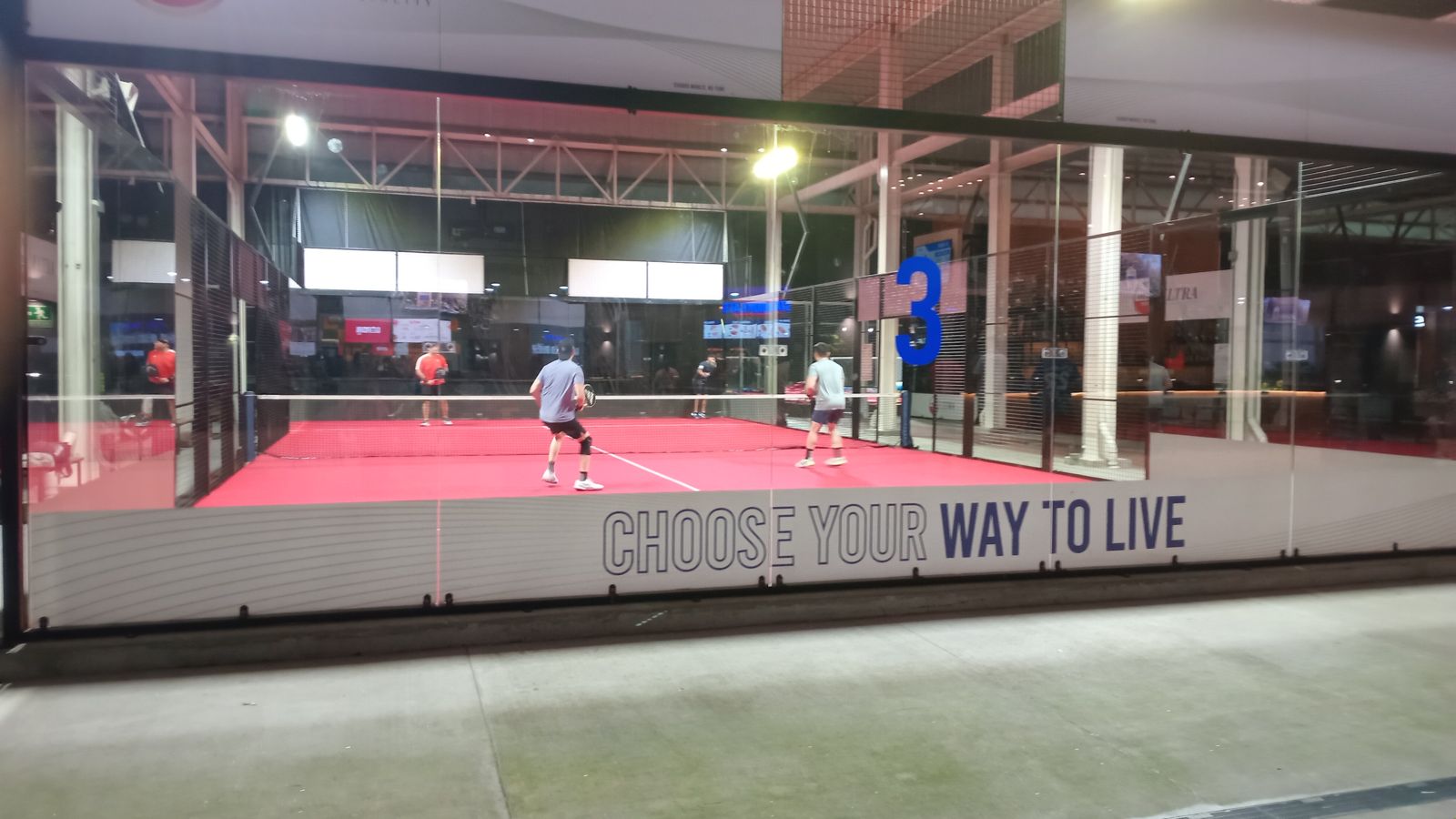
The finals that closed the week
The International Padel Federation reported that Arturo Coello and Agustin Tapia beat Juan Tello and Maxi Arce 6–1, 6–1 in the Kuwait men’s final on October 31. The victory also secured Coello and Tapia’s fourth consecutive season ending at the top of the world ranking, according to the federation’s account.
In the women’s final, Delfi Brea and Gemma Triay recovered from losing the first set to defeat Ari Sanchez and Andrea Ustero 3–6, 6–1, 6–1. FIP described it as Brea and Triay’s seventh title of the season. It also reported that Triay reached 59 career titles, taking the outright record in its account of the result.
A Major designation with a defined timeframe
The tournament’s official listing placed the main draw between October 25 and October 31 and identified an indoor event at The Arena Kuwait. A May calendar announcement from Premier Padel and FIP had upgraded Kuwait from P1 to Major for the 2026 season. The announcement explicitly described that change as exclusive to this season.
That detail matters when interpreting Kuwait’s position on the circuit. The event’s 2026 status is established; a permanent Major designation should not be inferred from it. Future calendar decisions require their own confirmation. The immediate news is the completed tournament and the sporting outcomes recorded by the governing body.
Original analysis: two finals told different competitive stories
MyGCCNews analysis: the scorelines illustrate two different kinds of sporting drama. The men’s result records a decisive straight-sets victory, while the women’s final changed direction after the opening set. Those are observations from the published scores, not a claim to have watched the matches courtside or to know what the players discussed privately.
For a general audience, the contrasting results offer a useful starting point for understanding competition. Dominance can be compelling when it is connected to a sustained season-long achievement. A comeback can be compelling because it changes what spectators expect. Clear reporting can explain both without forcing every match into the same heroic narrative.
What an international event can leave behind
A successful tournament can introduce viewers to a sport, but a durable local benefit needs a route from interest to participation. That route may involve an accessible beginner session, coaching information or the chance to watch a local competition. The tournament announcement and final results do not establish that such a pathway has already been delivered.
For organisers and clubs, the practical opportunity is to make the next step easy to understand. A newcomer should be able to find the appropriate level of play, understand the equipment needed and know how a session works before committing. These are potential follow-up actions, rather than additional services we are reporting as part of the Major.
Measure more than the opening impression
An event’s legacy is difficult to assess from a crowded photograph. Attendance, repeat visits, participation and local skills development measure different things. A person who buys a ticket may become a regular player, remain an occasional spectator or simply enjoy one evening out. Each is a legitimate relationship with sport, but they should not be counted as the same outcome.
A stronger assessment would distinguish the immediate tournament audience from later activity at clubs and courts. It could also consider whether local staff gained experience in event operations. No such evaluation is published in the sources reviewed for this article. We therefore avoid assigning an economic return or participation increase to the event.
The service experience is part of the sport
At a large sporting event, spectators encounter more than the court. Ticket information, signs, transport arrangements and the ability to find a seat influence the experience. For people attending a sport for the first time, a clear explanation of the competition can also determine whether they follow the action or feel excluded by specialist language.
The same principle applies to digital coverage. Results should make the players, stage and score easy to identify. Images need accurate captions, and highlights should not be mistaken for the whole match. These are editorial and event-management observations, not claims that a particular operational problem occurred in Kuwait.
A result is also an entry point for new readers
For readers discovering padel through the tournament, the names and final scores are a beginning rather than the whole story. Following the same pair over several events can make rankings and rivalries easier to understand. Publishers can support that learning by linking match coverage to clearly dated results and avoiding a mixture of old and new tournament information. A reliable record helps an occasional viewer become an informed spectator without needing specialist knowledge in advance.
What readers should watch next
The immediate sporting record is now clear: Kuwait’s 2026 Major ended with titles for Coello and Tapia, and for Brea and Triay. Future rankings, tournaments and calendar announcements should be followed through the official circuit and federation. A subsequent event elsewhere is a separate competition, not a continuation of the Kuwait final.
For Kuwait, the more interesting longer-term question is what remains after the temporary competition infrastructure has gone. A stronger audience, more knowledgeable local organisers and clearer opportunities for beginners would each be meaningful. The finals have supplied a memorable sporting moment; whether they help build something lasting will need evidence from the months that follow.
Gabriel Nicolaev – CyGuru