
Saudi Arabia / Latest News
US Signs Riyadh Expo 2030 Participation Agreement: What the Milestone Actually Changes
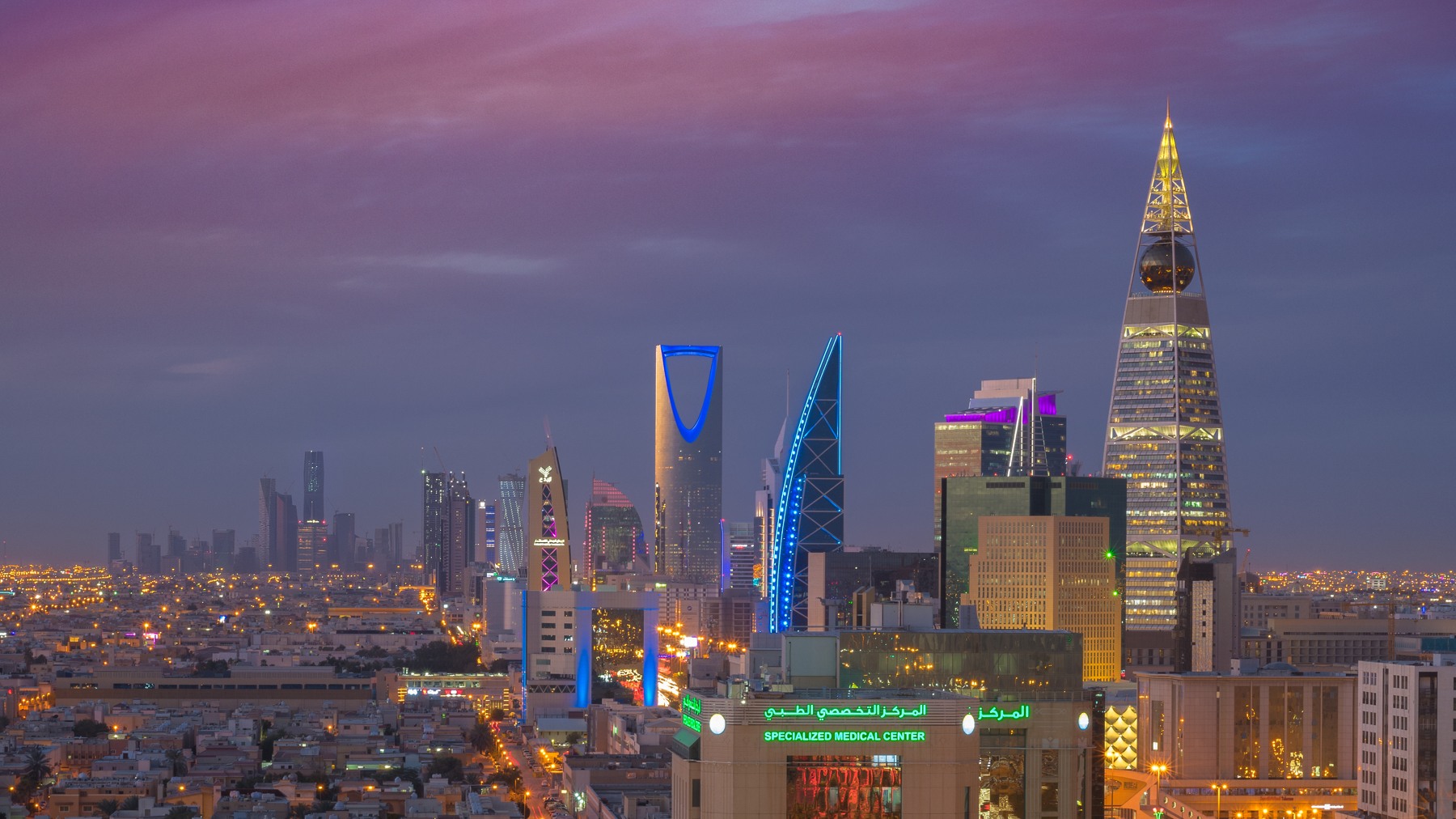
The United States has formalised its participation in Expo 2030 Riyadh. The October 30 signing is a diplomatic and organisational milestone, rather than an announcement that the exhibition has opened or that commercial contracts have already been awarded.
The confirmed development, and the date distinction
US Secretary of State Marco Rubio and Saudi Foreign Minister Prince Faisal bin Farhan signed a participation contract in Atlanta on October 30, 2026, alongside the G20 foreign ministers’ meeting. The agreement formalises the United States as an official participant in Expo 2030 Riyadh. The Saudi Press Agency reported the meeting and signing in an October 31 dispatch. Readers encountering both dates should distinguish the date of the ceremony in the United States from the date of the Saudi report.
This is the central verified news. Everything that follows in this article is analysis of the practical implications and questions raised by that milestone. A participation agreement gives preparations an official framework. It does not, by itself, establish the final visitor experience, prove that an individual pavilion is complete, identify every supplier, or guarantee a return to a particular investor. Treating an institutional step as a finished commercial outcome would collapse several years of work into a misleading headline. The more useful interpretation is that one significant participant has moved into a formal preparation process.
The exhibition remains a future event
The organiser’s current website gives the Expo dates as October 1, 2030, to March 31, 2031. That timetable matters because it separates immediate preparations from the eventual six-month public exhibition. It also gives companies, cultural institutions and prospective travellers different planning horizons. A supplier considering qualification this year faces a different decision from a family deciding whether to travel during the exhibition.
Do not confuse an Expo participation announcement with an airline schedule, hotel booking release, visa rule or public ticket offer. Those are separate products or administrative decisions and require their own dated confirmation. The organiser’s future-facing programme cannot substitute for a transport operator’s timetable or an authority’s entry requirements. A disciplined reader should record precisely what has been announced, who issued it and which later decision is still needed. That approach reduces both commercial overconfidence and premature consumer spending. The four-year distance from the event is a reason to organise information carefully, rather than an excuse to assume that every attractive projection has already become an operational fact.
Why formal participation matters to diplomacy
An Expo brings national representation into a setting that combines culture, technology, public communication and business engagement. The formal US commitment therefore matters beyond the visual design of a future pavilion. It identifies a channel through which institutions will prepare to present the country and interact with Saudi hosts and international audiences. The official Saudi report places the signing within a meeting on bilateral relations and areas of cooperation.
The analytical significance is coordination. Institutions need a recognised framework before they can settle responsibilities, establish programmes and organise delivery. A public ceremony is visible; the subsequent work is less visible and usually more consequential to the quality of the final experience. Readers should watch for concrete follow-up: published participation arrangements, named delivery organisations, authorised procurement channels, programme announcements and accountable contacts. None of those should be presumed solely because two ministers signed an agreement. Diplomatic symbolism can open a preparation pathway, while execution still depends on many later decisions. Keeping those stages separate allows coverage to remain constructive without becoming promotional.
Commercial opportunity begins with a defined requirement
For a Saudi or GCC business, the first productive question is not how large the Expo sounds. It is which specific problem the company can solve, for which contracting party, during which stage of delivery. Design, fabrication, translation, accessibility, logistics, visitor services and maintenance are examples of functions that a complex exhibition may require. They are analytical examples, not a list of contracts announced by the participation agreement.
A firm should translate its capabilities into evidence: comparable work, delivery capacity, relevant permissions, reliable subcontractors, financial discipline and a clear quality process. A marketing presentation that celebrates the event cannot replace those materials. Nor should a supplier assume that national participation means all purchases will pass through a single buyer. The host, a participant organisation, a principal contractor and a specialist operator may have different responsibilities and qualification systems. Verify the actual purchasing entity before investing in a tender response. An opportunity becomes commercially meaningful when a real requirement, a legitimate buyer and a deliverable scope align. Until then, it remains a prospect that belongs in a monitored pipeline rather than in booked revenue.
Use official vendor routes and resist intermediary pressure
The Expo organiser’s website includes participation information and a vendor-registration route. That is a useful starting point for identifying authorised channels. It is not evidence that registration guarantees an invitation, a tender award or privileged access to a national pavilion. Companies should read the terms of the actual platform and maintain an internal record of what they submitted and when.
The size and visibility of an event can make vague introductions sound more valuable than they are. An intermediary who offers access should be able to identify the contracting entity, the lawful service being provided, the contractual basis for payment and the limits of the introduction. Requests for advance payments against an unspecified government opportunity deserve particular scrutiny. This is ordinary procurement discipline, not a claim about any named organisation. Independently verify email domains, document requests and bank details through official contact channels. A supplier’s objective is to reach a verifiable procurement process, not to collect impressive names. The participation announcement should increase the quality of a company’s questions, rather than lower its threshold for evidence.
A planning pipeline needs milestones, not one deadline
Businesses often approach a major event as though everything happens immediately before the opening date. A more useful model separates preparation into stages: learning the market, establishing eligibility, identifying published requirements, responding to formal opportunities, delivering work and supporting operations. The precise stages and dates must come from the relevant buyer; the sequence is a management framework rather than a published Expo procurement calendar.
A company can create a simple opportunity record with the source announcement, responsible organisation, known decision, next verification date and internal owner. Add a column for what remains unknown. That final column helps stop a rumour from becoming a planning assumption simply because it has been repeated in several meetings. Review effort should increase as evidence improves. An early public announcement may justify research, while a formal request with a defined scope may justify engineering and pricing work. This staged allocation of attention protects small firms from spending scarce management time on speculative projects. It also leaves them better prepared when an appropriate, documented requirement eventually appears.
Tourism effects should be evaluated through the visitor journey
For tourism businesses, participation adds another element to the future international character of the exhibition. It does not provide a dependable occupancy forecast for a particular hotel or a guaranteed number of customers for an individual restaurant. The visitor journey is a chain of decisions: whether to travel, how to enter, which transport to use, where to stay, how to reach the site and how to spend time outside it.
An operator assessing that chain should identify where it has genuine influence. A hotel can improve booking clarity and guest information; a tour company can build understandable itineraries; a restaurant can strengthen service consistency. None can control all international demand. Distinguish announced capacity from operating capacity, and projected visits from unique people or overnight stays. An Expo visit can have different spending and accommodation implications depending on the traveller’s origin, schedule and purpose. The useful commercial exercise is therefore to build several plausible demand scenarios and test service readiness against them. A headline should prompt preparation, not an unsupported promise that every tourism asset will experience the same benefit.
Riyadh’s city experience will matter beyond the pavilion
An international exhibition is experienced through a city as well as through its gates. Travellers remember arrival procedures, transfer clarity, travel time, wayfinding, queues and the ease of making ordinary decisions. A national pavilion may attract attention, but those everyday interfaces influence whether a trip feels coherent. That is an editorial assessment of event delivery, not a claim that any specific system has already met or failed a future target.
For residents and businesses, the relevant questions are similarly practical. Which transport services will actually operate? What access arrangements will apply to workers, suppliers and visitors? How will the location interact with everyday journeys? Answers should come from the organisations responsible for those services as plans become operational. Renderings, exhibition ambitions and participant announcements each supply part of the story, but none should be treated as a live travel instruction. Readers can remain optimistic about the event while requiring precise evidence about the city experience. That combination is more useful than either uncritical enthusiasm or a blanket assumption that a large event cannot be delivered well.
Small businesses should protect working capital
A prominent project can be attractive and still be unsuitable for a small supplier’s balance sheet. Before pursuing work, map the cash sequence: bid preparation, deposits to subcontractors, production, delivery, acceptance, invoicing and payment. Ask which expenditures occur before money is received and how a delay would affect existing customers. These are management questions, not forecasts of the Expo’s payment practices.
A firm should also examine concentration. Winning a large assignment is not automatically a healthy outcome if it consumes all available capacity or leaves one customer responsible for most receivables. Build a downside case using the actual draft contract, including revisions, acceptance requirements and responsibility for rework. Avoid treating the face value of a prospective contract as profit. Revenue, gross margin, cash availability and managerial workload are separate measures. The participation announcement creates a reason to study possible demand. It does not remove the need to price risk. Professional preparation includes the ability to decline a project whose size or contractual structure exceeds the organisation’s financial resilience.
What consumers can do now without premature commitments
A prospective visitor does not need to make non-refundable purchases simply because a national participation agreement has been signed. The sensible action now is to build an interest list, identify the official organiser and decide what kind of trip would justify the journey. A family visit, a professional delegation and an educational group will have different requirements.
Record the future exhibition dates, then wait for relevant products and rules to be published before treating a plan as bookable. When tickets or packages become available, check who sells them, what they include and how cancellation works. A hotel room advertised around an event is not necessarily an official event package. Likewise, a tourism itinerary mentioning the Expo is not evidence of confirmed admission. The practical advantage of starting early is the opportunity to clarify preferences and compare options over time. It should not become pressure to pay for services whose scope is unclear. Good planning turns a distant event into a sequence of reversible decisions before it becomes a sequence of financial commitments.
How to judge the next wave of announcements
The next useful update will be one that reduces a specific uncertainty. It might identify an authorised delivery partner, publish a programme, explain procurement, confirm a transport service or introduce a visitor product. Judge each announcement by what it actually establishes, not by how often the event name appears in the release. Ask whether the statement concerns an intention, an agreement, an operating service or a measured result.
Readers should also compare announcements with the organiser’s latest information. Dates, participant descriptions and projections can be expressed differently by different organisations. Where a figure is a forecast, retain that label. Where an event is still in the future, keep future tense. Where a supplier claims association, look for confirmation by the relevant official organisation. These habits are modest but powerful. They prevent a genuine diplomatic milestone from being used to support unrelated promises. MyGCCNews will treat the October 30 signing as a confirmed participation development and assess later operational claims on their own evidence, rather than allowing the original ceremony to stand in for every subsequent decision.
The significance of the agreement
The US participation contract gives Expo 2030 Riyadh another formal international commitment and a clear point from which to follow preparation. Its immediate value lies in institutional progress and the signal that planning can proceed within an official framework. The eventual economic and visitor outcomes will depend on execution, service quality and the choices of participating organisations and audiences.
For businesses, the useful response is to become more specific: identify real buyers, define capabilities, monitor authorised channels and protect cash. For travellers, it is to distinguish interest from a confirmed booking. For residents, it is to follow the development of services that connect the exhibition with ordinary city life. Those are different decisions and should not be collapsed into a single story about opportunity. A major event becomes meaningful through thousands of practical arrangements. The signing is a valid and important step in that process. The strongest coverage will continue to explain which step has been completed, which is still ahead and what readers can reasonably do with the information available at the time.
Gabriel Nicolaev – CyGuru
Sources & further reading
Saudi Press Agency: Saudi and US foreign ministers sign Expo participation contract
The National — US signs World Expo 2030 participation agreement, 30 October 2026
Expo 2030 Riyadh: official event dates and participation information
Expo 2030 Riyadh: participation opportunities
Expo organiser: BIE approval of the participation framework
Photograph: B.alotaby — original file and attribution
Photograph licence: CC BY-SA 4.0
Related on MyGCCNews
Business reporting and explainers
Travel planning across the Gulf
Beyond the Grandstands: How to Build a Sustainable Community Sport Routine in Saudi Arabia