
Bahrain / Explore
Walking Muharraq’s Pearling Path: how to read the city behind the heritage route
Muharraq’s Pearling Path is more than a collection of restored houses. It connects the sea, merchants, working lives and the urban spaces shaped by Bahrain’s pearl economy. A rewarding visit follows those relationships, with enough time to notice the neighbourhood around the monuments.
Begin with an economy, not a checklist
The UNESCO property is formally named Pearling, Testimony of an Island Economy. That title offers the best starting point for a visit. The heritage is not confined to an attractive object or a single spectacular building. It concerns the connections between a marine resource, the people who harvested it, the merchants who financed and traded it, and the city in which the resulting relationships became visible. Walking the route becomes more interesting when each stop is treated as evidence of that system.
A checklist can establish where to go, but it cannot explain what links the places together. Before setting out, ask a few simple questions. How did a product from the sea shape space on land? Where did different kinds of work occur? Which buildings expressed wealth, and which parts of the city supported everyday exchange? These questions do not require specialist knowledge. They create a method of looking that makes architectural details and changes in the street pattern part of a coherent story rather than isolated photographs.
Understand the relationship between land and sea
UNESCO’s description identifies a heritage property combining buildings in Muharraq with offshore oyster beds, a shoreline component and Qal’at Bu Mahir. The sea is therefore not just a scenic background. It is part of the explanation for the urban heritage. Without that connection, a visitor can admire the restored structures while missing the economic activity that gave them their particular significance.
This does not mean that every element can be experienced in the same way during an ordinary walk. Offshore locations and historic buildings present different access questions. A city itinerary should not imply that a visitor can simply wander into a marine heritage area or organise an unregulated excursion. Use the official site information to understand what is open and how access is arranged. The analytical task is to keep the relationships visible even when the visit concentrates on the urban route. A pause near the shoreline can help reconnect a sequence of streets with the maritime world that supported it.
Choose a starting point that gives you context
The official Pearling Path visitor information allows visitors to join the route from different points and identifies visitor centres among the common starting options. Beginning with an interpretation space is useful because it provides a vocabulary for the buildings that follow. It can also help establish which places are open that day, what conservation work is under way and how much of the route is realistic for the group.
Do not assume that starting at one end is the only authentic way to experience the site. A visitor with limited time, reduced mobility or a strong interest in architecture may sensibly choose a shorter sequence. The better criterion is whether the route produces an understandable experience. Plan a beginning that establishes the story, a middle with time for a small number of significant stops, and an end that leaves space to reflect. Trying to cover every location quickly can make a rich urban landscape feel strangely thin, because movement displaces attention.
Read merchant architecture as social evidence
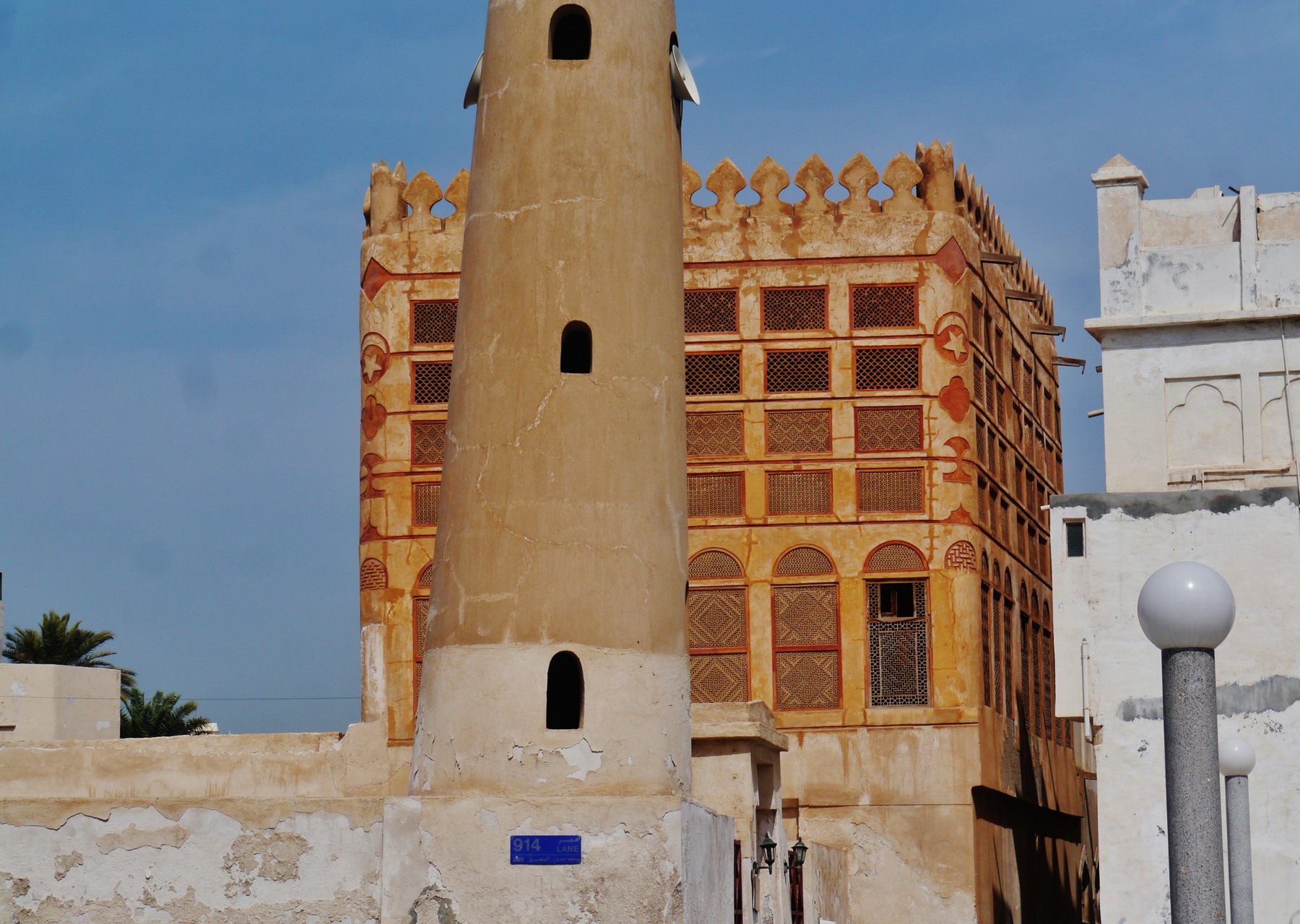
An imposing house can be read as a statement about resources, status and relationships. Look at the transition from street to entrance, the organisation of spaces and the distinction between areas intended for receiving people and those associated with more private life. Decorative work matters, but so does the way a building controls movement and visibility. Architecture makes certain social arrangements easier and others more difficult.
It is important not to turn an observation into an unsupported historical claim. A visitor can notice that an entrance creates a gradual transition without asserting an exact use for every room. Interpretation material and trained guides can help establish what is documented for a particular property. Where the evidence is uncertain, uncertainty is part of a careful reading. The objective is not to invent a romantic biography for a building. It is to understand how material choices, craftsmanship and spatial organisation can preserve information about a commercial society long after the original economic conditions have changed.
Notice the spaces between the monuments
A heritage route crosses a functioning urban environment. The lanes, shopfronts, junctions and ordinary thresholds between major stops are not empty intervals. They influence how the visitor encounters the city and how residents continue to use it. A walk that focuses only on designated buildings risks treating the neighbourhood as a corridor serving a tourism product, rather than as a place with its own daily rhythms.
Slow down where space allows and observe without obstructing entrances or turning private routines into a spectacle. Ask permission before photographing identifiable people, and avoid assuming that a photogenic doorway is an invitation to enter. The practical rule is to make curiosity compatible with respect. This improves the quality of the visit as well as its social impact: once the pace becomes less extractive, small details become easier to notice. The route’s value lies partly in the relationship between protected heritage and the surrounding city, a relationship that is maintained through ordinary behaviour as well as formal conservation work.
Recognise restoration without demanding a frozen past
Restored heritage can provoke an unhelpful choice between two extremes: treating every renewed surface as evidence of inauthenticity, or treating conservation as if it could return an entire city to a single historical moment. Living places are more complicated. Materials deteriorate, structures require stabilisation and public access creates new needs. The serious question is how intervention preserves meaningful evidence while allowing the place to remain usable.
Visitors can approach this by distinguishing old fabric, repair and contemporary insertion where interpretation makes those distinctions clear. New visitor infrastructure does not necessarily weaken a heritage site; it may help people understand and navigate it. At the same time, attractive design should not distract from the reason a structure is significant. Ask what survives, what has been adapted and how the intervention relates to the older urban pattern. That produces a more useful conversation than judging authenticity solely by whether a building appears untouched or whether its photographs look convincingly historical.
Connect the visible route with intangible heritage
Buildings can preserve evidence of economic life, but they do not contain the whole cultural memory of pearling. Music, collective practices, language and family histories transmit aspects of experience that an architectural description cannot reproduce. UNESCO’s intangible-heritage material on Fjiri connects that performance tradition with the pearling community of Muharraq. It adds another dimension to the way the city can be understood.
A visitor should be careful not to assume that a performance is available on demand or that every cultural activity along the route is part of a fixed daily programme. Check current official listings for events and opportunities to learn more. If no performance is scheduled, the connection is still worth understanding through interpretation. It reminds the visitor that heritage consists of relationships between people and places, not merely durable materials. The city’s memory can be carried in sound and practice as well as stone, and recognising that changes the questions a visitor asks at the next stop.
Build an itinerary around attention and comfort
A practical itinerary begins with the people walking it. Consider the group’s pace, interest, tolerance for heat and need for breaks. The best route for two architecture enthusiasts may be inappropriate for a family with young children or for someone who needs frequent seated rests. Select a small number of priority stops and treat additional locations as optional. This gives the visit a clear structure without making every pause feel like a scheduling failure.
Use the official visitor page for current opening information and confirm access close to the visit, particularly around public holidays, events or conservation work. The operator currently publishes hours and a weekly closing day, but those details should be checked rather than copied indefinitely into a personal itinerary. Carry water appropriate to the conditions, wear suitable footwear and allow for indoor interpretation and recovery time. A heritage walk is not improved by unnecessary endurance. Comfort protects attention, and attention is what turns a route through old buildings into an understanding of a city.
Treat transport as part of the visit
Getting to the starting point and leaving from the final stop are different problems. A route that works well on foot may end some distance from the parked car or the intended pickup location. Decide whether the walk will be a loop, an out-and-back sequence or a one-way visit with onward transport. Record the practical meeting point rather than relying only on the general name of a heritage area.
The official Pearling Path page includes parking information and describes a sea-transport option associated with Qal’at Bu Mahir. Check current availability and operating conditions before building a boat transfer into a tightly timed day. Do not assume that a published frequency guarantees a departure in every circumstance. A flexible alternative is useful, especially for a group with a fixed onward commitment. These details may seem less inspiring than the architecture, but they determine whether the group can concentrate on the experience instead of spending its final hour negotiating an avoidable transport problem.
Spend in ways that support the experience you value
Visitors often ask how to support a heritage neighbourhood without reducing it to consumption. One answer is to be intentional about the services used: a knowledgeable local guide, a considered purchase from a relevant business or a refreshment stop that fits naturally into the walk. The objective is not to buy something at every stop. It is to recognise that the maintenance of a living cultural environment involves people whose work extends beyond the official monument boundary.
Avoid treating a purchase as proof of authenticity simply because it takes place near a heritage site. Ask clear questions about an item’s origin and production where those details matter to you. Be particularly cautious about making assumptions concerning pearls or other valuable goods without appropriate expertise and documentation. A thoughtful visit can include commerce while preserving judgment. The historic route itself demonstrates that culture and exchange have long been connected; the modern visitor’s task is to participate in that connection with curiosity and discrimination rather than automatic nostalgia.
Leave with a connected story
At the end of the walk, try to explain the place without listing the buildings in order. Describe how the marine environment, commercial organisation, domestic architecture and shared cultural practices relate to one another. If those connections are clearer, the visit has achieved something more lasting than location coverage. A shorter route understood well can be more valuable than a complete route remembered only as a series of attractive facades.
Muharraq’s Pearling Path rewards this kind of attention because its subject is a system of life rather than a single isolated achievement. It invites the visitor to consider how prosperity becomes visible in a city, how economic change alters that city, and how later generations decide what evidence to retain. These questions extend beyond Bahrain, but the answers must begin with the actual places and official interpretation encountered here. Walk with enough time to look, verify what can be verified and leave room for the neighbourhood to remain itself around you.
Gabriel Nicolaev – CyGuru
Sources & further reading
UNESCO: Pearling, Testimony of an Island Economy
Pearling Path official visitor information
Bahrain Authority for Culture and Antiquities: Pearling Path infrastructure
Bahrain Tourism: the Pearling Path
UNESCO: Fjiri inscription decision
Photograph: Zairon — original file and attribution
Photograph licence: CC BY-SA 4.0
Related on MyGCCNews
Plan a multi-country travel budget
Bahrain’s electric airport-taxi pilot: the operational questions behind the announcement