
UAE / Business
UAE–DR Congo Trade Agreement Enters Into Force, Moving Partnership Into Implementation
The UAE’s trade agreement with the Democratic Republic of Congo entered into force on 30 October 2026, according to Emirates News Agency. The development moves the relationship beyond signing and towards practical implementation, with tariff reductions and simpler trade procedures intended to strengthen commercial links between the two economies.
What changed on 30 October
WAM reported that the agreement removes tariffs across most product lines and aims to streamline customs processes. Logistics, energy and manufacturing were identified among the areas for investment cooperation. The announcement described bilateral non-oil trade of $3.5 billion in 2025, up 38.5 per cent from the previous year.
The UAE Ministry of Foreign Trade’s earlier account records the agreement’s signing on 2 February 2026. The October development is therefore a separate milestone: entry into force, rather than the initial conclusion of the deal. For businesses, that distinction is important because a signed agreement and an operational preference are not interchangeable stages.
Analysis: access is only the first commercial test
A reduction in border costs can improve a trading proposition, but it does not create a customer, a distribution network or a reliable payment process. Exporters should evaluate the complete route from an interested buyer to delivery and settlement. The most attractive tariff treatment cannot compensate for an order that is poorly specified or a supply arrangement that cannot be fulfilled.
The practical question is which existing transaction becomes easier or which previously uneconomic transaction becomes viable. That requires product-level work rather than a general conclusion that every UAE business now has an African expansion opportunity. Firms with a clear product, verified demand and a workable logistics chain are better placed to evaluate the announcement than those beginning with the agreement alone.
What companies should establish before acting
Businesses considering use of the agreement should consult the relevant official tariff schedules and customs guidance for their goods. They should confirm any applicable origin and documentary requirements rather than assuming that routing a shipment through a country establishes eligibility. This is a verification task for the actual transaction, not a conclusion supplied by a news headline.
Other costs remain relevant: transport, handling, insurance, storage, compliance and the timing of payment. A useful comparison separates the costs potentially affected by the agreement from those it does not automatically change. That approach makes it possible to assess a commercial benefit without attributing every improvement in a proposed deal to the CEPA.
The implementation evidence to watch next
The next meaningful indicators will be practical: whether eligible firms can use the arrangements consistently, whether procedures become clearer and whether repeated orders develop. An announcement establishes a policy framework. Evidence of uptake requires information about transactions, business participation and the sectors in which the changes are actually being used.
Investment commitments should be assessed with the same discipline. A statement of opportunity is different from a financed project, an operating facility or an employment outcome. Readers should look for identifiable stages and dates as implementation progresses. This prevents an initial diplomatic and commercial milestone from being mistaken for a completed economic result.
For now, the confirmed news is the start of the agreement’s operational phase on 30 October. Its wider significance will depend on how effectively businesses and authorities turn that framework into repeatable trade. The distinction between access, use and measurable outcomes is the most useful way to follow the next chapter of UAE–DR Congo economic cooperation.
Gabriel Nicolaev – CyGuru
Sources & further reading
WAM, 30 October 2026 — CEPA enters into force
UAE Ministry of Foreign Trade, 2 February 2026 — Agreement signing
Khaleej Times, 30 October 2026 — Implementation report
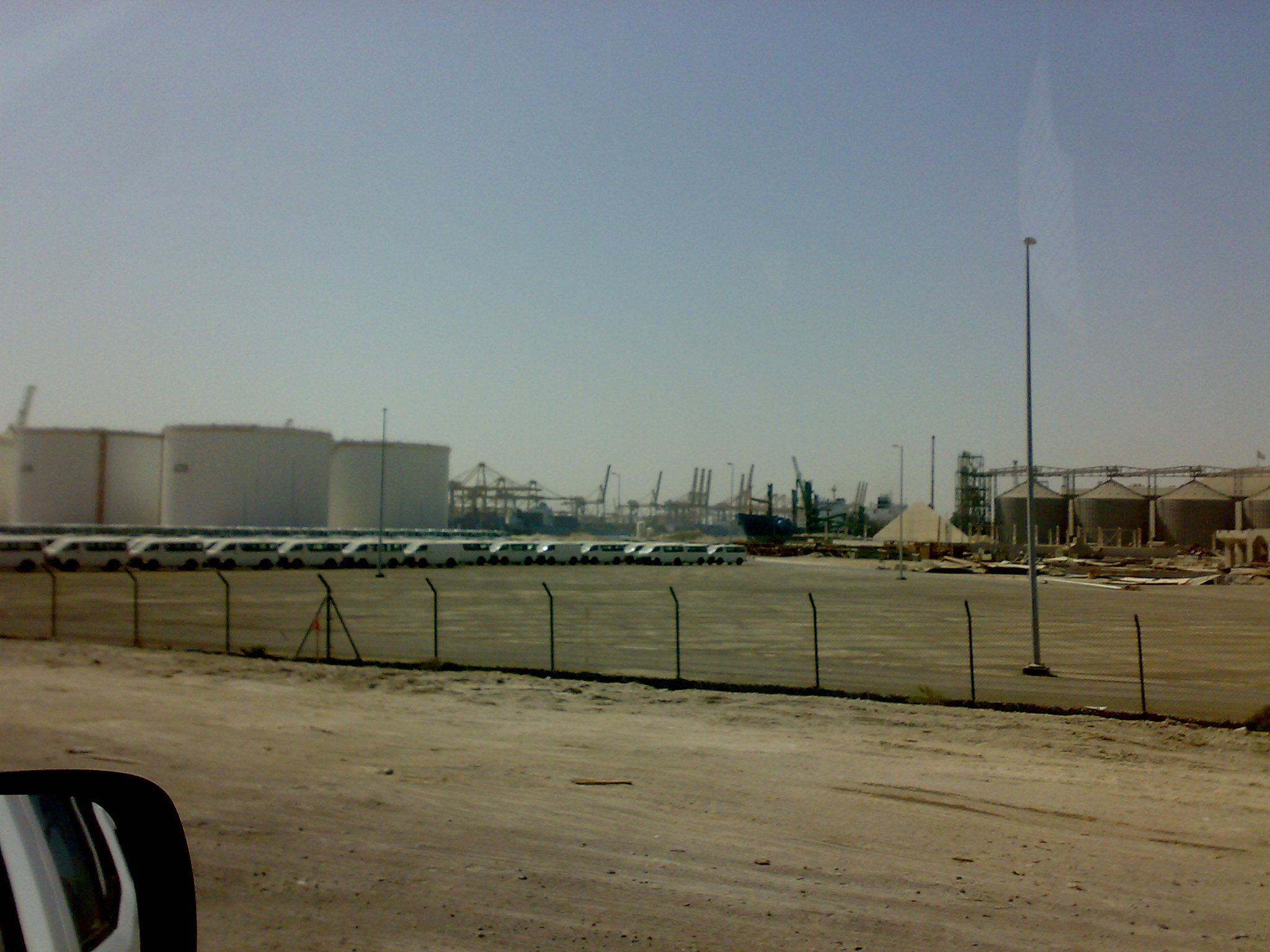
Context photograph (not the reported event): Bjoertvedt — original and attribution
Photograph licence: Creative Commons Attribution-Share Alike 3.0 Unported
Related on MyGCCNews
Moving to the UAE: Build Your First 90 Days in the Right Order
Oman Reports 10.7% Growth in Non-Oil Exports for First Half of 2026