
Saudi Arabia / Business
Saudi Weekly Card Spending Falls to SR11.78 Billion as Jewellery Purchases Rise
Saudi point-of-sale payments totalled SR11.78 billion in the week ending 24 October 2026, according to an Arab News report published on 30 October citing Saudi Central Bank data. The value was down 6.5 per cent from the previous week, even as spending on jewellery moved in the opposite direction.
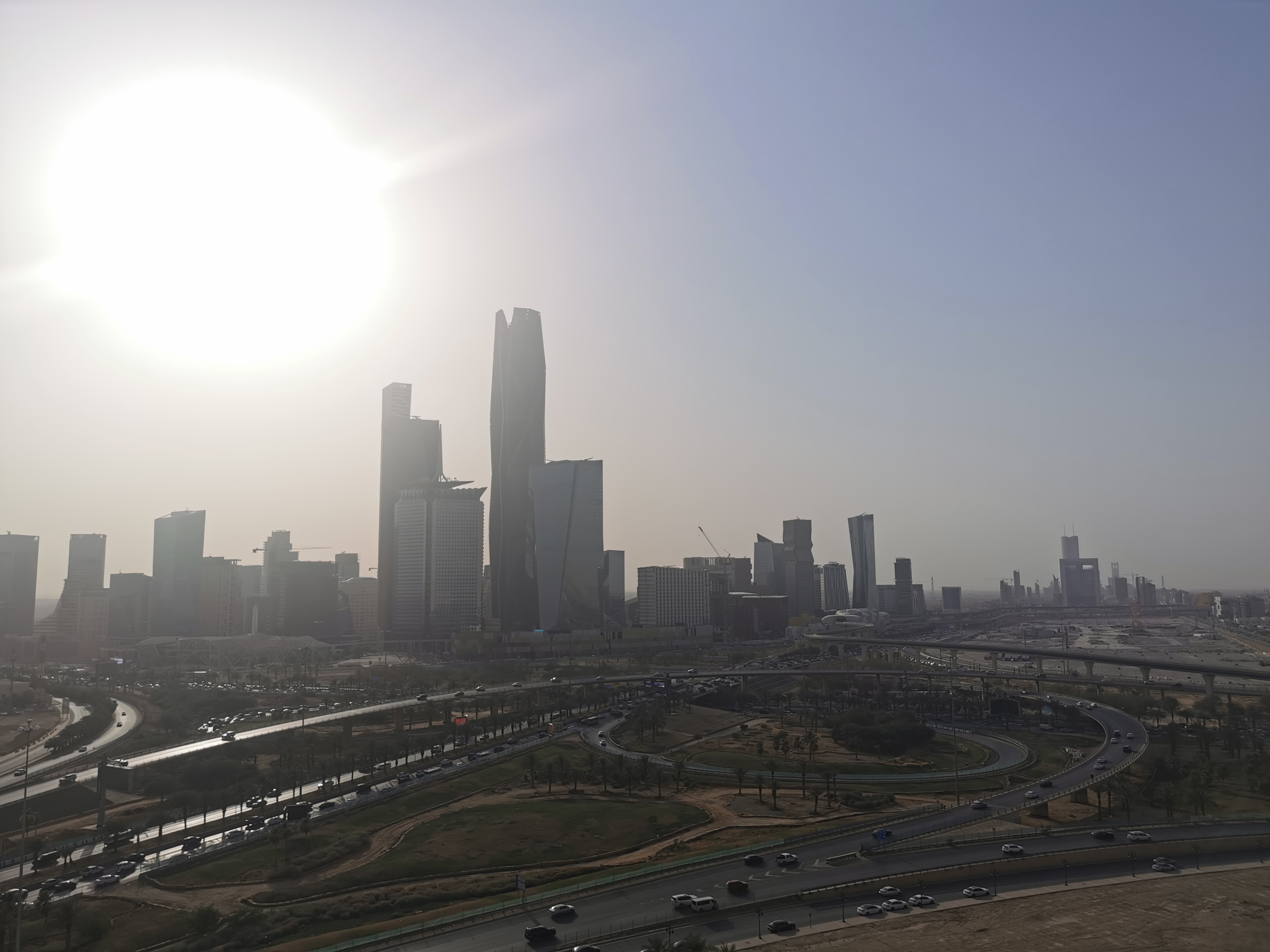
The reported figures and their period
The report put the number of transactions at 229.12 million, a weekly decline of seven per cent. Jewellery spending reached SR427.61 million, up 19.6 per cent, despite a small decline in transaction numbers for that category. The figures describe the seven days ending 24 October; they are not a reading of spending on 30 or 31 October.
Arab News also reported lower outlays in several other categories. Its account attributed the underlying data to SAMA, while an earlier Saudiweek report carried matching rounded totals for payment value and transaction numbers. The latest reporting therefore concerns a specific completed week, not a new full-month estimate for the Saudi economy.
Analysis: transaction value and activity are different measures
Payment value can change because more purchases take place, because individual purchases become larger or because the mix of goods changes. A category can therefore record rising spending while processing fewer transactions. The jewellery figures illustrate why value alone should not be treated as a direct count of customers or purchased items.
The distinction also matters when comparing businesses. A shop selling higher-value goods and a retailer processing many smaller purchases can experience the same aggregate week differently. National category totals do not reveal whether an individual firm gained market share, changed prices or benefited from a particular promotion. Those questions require more detailed evidence than this weekly release provides.
A weekly fall is not a complete economic diagnosis
A single comparison can be affected by where a week falls in a monthly purchasing cycle and by the timing of large expenses. That does not make a decline meaningless. It means the interpretation should be tested against a longer sequence and an appropriate comparison period before it becomes a broad claim about consumer confidence.
An especially useful distinction is between a measured movement and its proposed explanation. The reported payment values establish that spending changed within the series. They do not, by themselves, prove why households changed the timing or composition of purchases. Explanations involving sentiment, travel decisions or financial pressure should remain hypotheses unless supported by additional evidence.
What businesses and readers should watch next
The next releases will help establish whether the latest movement is temporary or part of a more persistent pattern. Comparing value and transaction counts together is more informative than focusing on a single headline category. Businesses can also compare their own like-for-like periods while accounting for operating days, promotions and changes in the customer mix.
For readers following Saudi diversification and domestic demand, the responsible conclusion is precise: one recent week recorded lower aggregate POS spending, with a notable rise in jewellery value. The release does not establish a recession, guarantee a rebound or provide a forecast for any particular retailer.
The publication date and the measurement period should stay visible whenever the figures are shared. That small discipline prevents a report about the week ending 24 October from being recirculated as if it described transactions occurring today. Further data, rather than a stronger adjective, will determine how much significance this movement ultimately carries.
Gabriel Nicolaev – CyGuru
Sources & further reading
Arab News, 30 October 2026 — Weekly POS figures attributed to SAMA
Saudiweek, 28 October 2026 — POS totals for week ending 24 October
Context photograph (not the reported event): Ahmed — original and attribution
Photograph licence: Creative Commons Attribution-Share Alike 4.0 International
Related on MyGCCNews
Moving to Saudi Arabia: Build the Relocation Around Your Actual Role
Oman Reports 10.7% Growth in Non-Oil Exports for First Half of 2026