
Saudi Arabia / Latest News
Saudi Foreign Minister Joins G20 Talks in Atlanta With Security and Supply Chains on Agenda
Saudi Foreign Minister Prince Faisal bin Farhan participated in the G20 foreign ministers’ meeting in Atlanta on Friday, 30 October 2026, Arab News reported, citing the foreign ministry and Saudi Press Agency. The reported agenda linked geopolitical developments with maritime security, energy, food, trade and supply chains.
What is confirmed about the Saudi participation
The Saudi delegation included Ambassador to the United States Princess Reema bint Bandar and Abdulmohsen Al-Khalaf, the Saudi G20 sherpa and senior finance official. Saudi Gazette separately reported the minister’s arrival for the meeting and described the same broad areas of discussion.
The confirmed development is Saudi participation in a multilateral diplomatic meeting. The reports reviewed for this article do not establish a new trade agreement, a binding shipping arrangement or a completed resolution of a regional dispute. An agenda identifies issues for discussion; it should not be read as a list of outcomes already achieved.
Analysis: the agenda connects security with economic exposure
The grouping of maritime security, energy, food and supply chains is significant because these are not separate practical concerns for businesses moving goods. A disruption can affect transport planning, contractual deadlines and the ability to obtain supplies. Diplomatic discussion can bring those connections into one setting even where different institutions retain responsibility for the operational response.
For Saudi Arabia, participation provides an opportunity to present national priorities within a wider conversation. That is an analytical description of the diplomatic function, not evidence that other participants adopted a Saudi proposal. The distinction matters when interpreting brief official reports, which may confirm attendance more clearly than the detailed positions exchanged inside a meeting.
Why the accompanying roles are worth noting
The presence of diplomatic and finance representatives shows that the reported delegation spans more than one policy perspective. Foreign-policy discussions about trade and supply chains can require economic as well as diplomatic input. However, the composition of a delegation does not establish the terms of any negotiation or prove that a specific commercial initiative was under consideration.
A useful follow-up would identify a published statement, agreed language or an announced working process. If those appear, they can be assessed on their own terms. Until then, attaching a detailed policy outcome to a broad attendance report would go further than the available evidence supports.
What to watch after the meeting
Readers should look for substantive documents and follow-up actions rather than treating the meeting location or photographs as the main result. A declaration may set a shared direction; an implementation process would identify who is expected to act, through what mechanism and on what timetable. These are different levels of commitment.
Companies affected by logistics or supply-chain uncertainty still need to follow the relevant operational authorities, carriers and contractual guidance. A diplomatic meeting does not itself change a shipment’s status or replace direct notices about a route. The policy conversation and day-to-day operating information should be followed together without confusing their functions.
The immediate Saudi news is therefore clear and limited: the foreign minister took part in Atlanta talks on 30 October, and the reported agenda covered interconnected security and economic priorities. The significance of that participation will become more concrete if subsequent statements and actions reveal what the discussions produced. This article will not treat an expected conversation as a completed international agreement.
Gabriel Nicolaev – CyGuru
Sources & further reading
Arab News, 30–31 October 2026 — Saudi participation in Atlanta meeting
Saudi Gazette, 30 October 2026 — Minister arrives for G20 talks
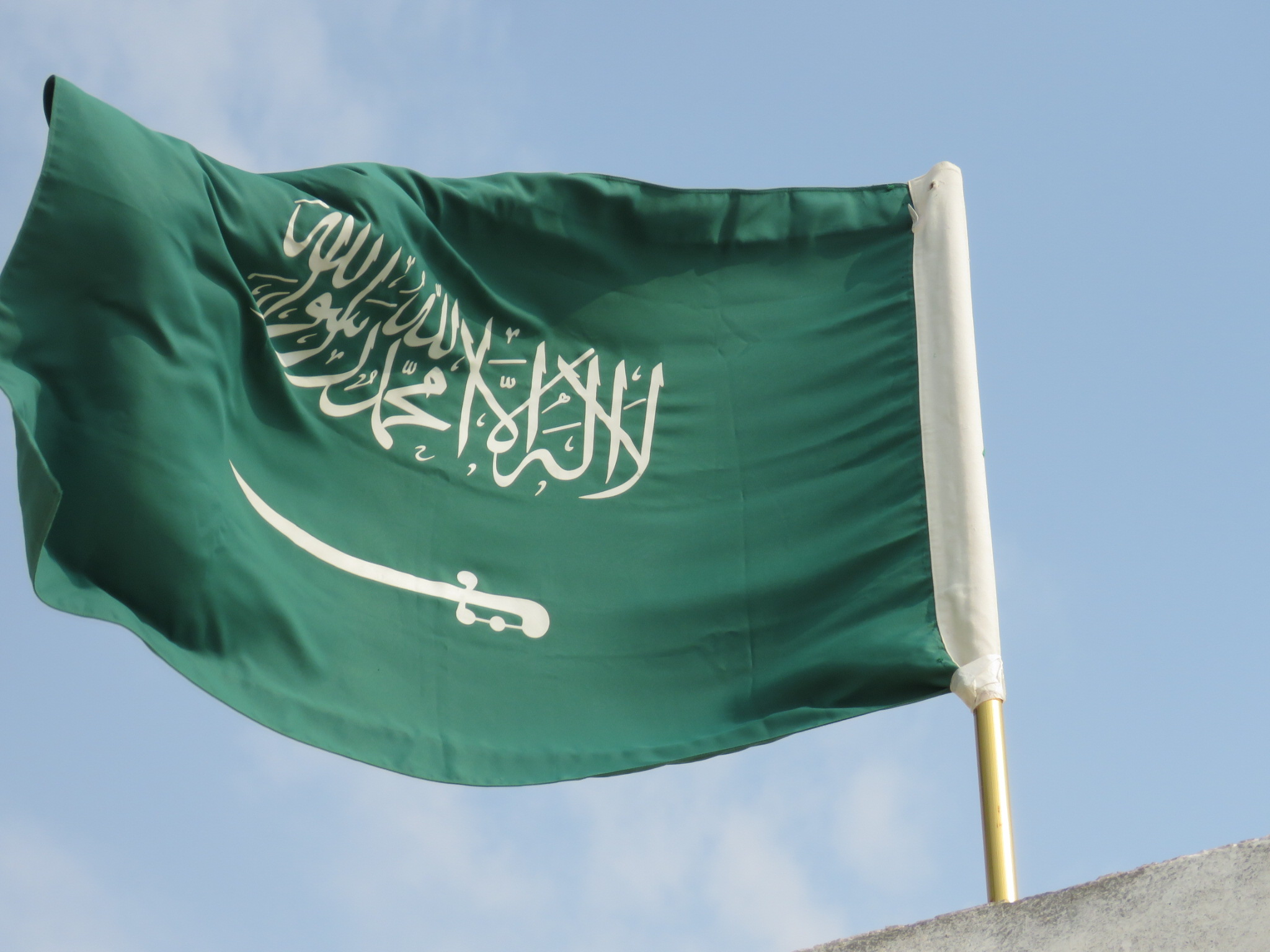
Context photograph (not the reported event): Abrar Mubark Alhumairi — original and attribution
Photograph licence: Creative Commons Attribution 4.0 International
Related on MyGCCNews
Moving to Saudi Arabia: Build the Relocation Around Your Actual Role
Sultan Haitham to Begin State Visits to China and Brunei on 1 November